Marble Halls
Tashkent, Uzbekistan
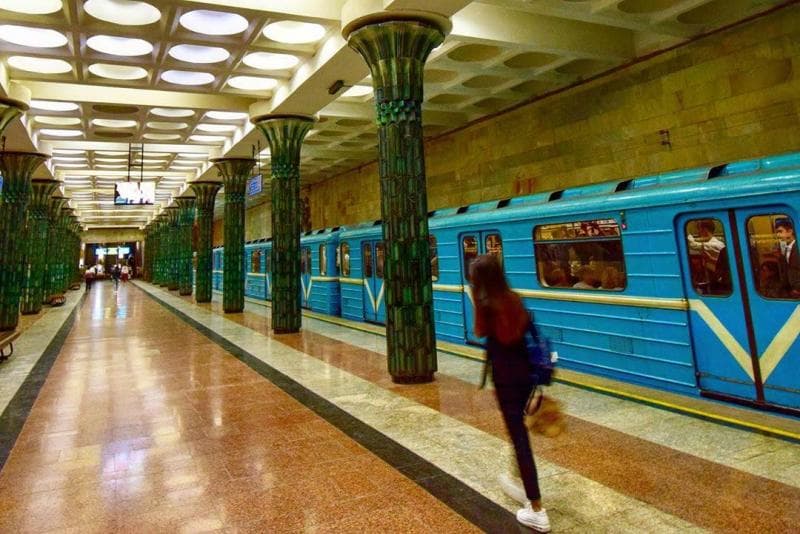
Explore Tashkent Metro's Marble Halls, an underground art gallery in Tashkent, Uzbekistan, famed for its stunning Soviet-era architecture and Uzbek artistry.
Overview
The Tashkent Metro, nestled beneath the bustling streets of Uzbekistan's capital, is far more than just a transportation system; it is an extraordinary subterranean art gallery. Often dubbed one of the most beautiful metro systems globally, its stations are a vibrant display of Soviet-era architectural grandeur harmoniously blended with traditional Uzbek artistry. The phrase 'Marble Halls' aptly captures the opulent aesthetic found throughout many of its stations, characterized by extensive use of polished marble, gleaming granite, intricate mosaics, and sparkling chandeliers that transform a daily commute into an immersive cultural experience.
Each of the metro's distinct stations tells a unique story, often reflecting themes of Uzbek history, cultural heroes, scientific achievements, or natural resources. This blend of functionality and artistic expression makes the Tashkent Metro a must-visit destination for any traveler curious about the region's rich heritage.
History & Cultural Background
The genesis of the Tashkent Metro is rooted in resilience. Following a devastating earthquake in 1966 that ravaged much of the city and left hundreds of thousands homeless, planning for a new metro system began in 1968 as part of Tashkent's massive rebuilding effort. Construction commenced in 1972, and the first line, the Chilanzar line, proudly opened its doors on November 6, 1977.
As the seventh metro system built in the former USSR and the first in Central Asia, it was a significant achievement. Designed not only for efficient public transport but also with the capability to function as a nuclear bomb shelter, the metro was classified as a military facility. This strategic purpose meant that photography within its stations was strictly forbidden for decades, making its elaborate beauty largely a secret until the ban was lifted in June 2018. Talented architects and artists from Uzbekistan were brought in to design each station, ensuring a unique theme and visual identity.
What Makes It Special
The true magic of the Tashkent Metro lies in its individual stations, each an architectural marvel in its own right. The term 'Marble Halls' is particularly fitting for places like Mustaqillik Maydoni station, which means 'Independence Square'. This station is notably built almost entirely with marble blocks sourced from Uzbekistan's Kizil Kum desert. Its grand, columned hall, illuminated by elegant glass chandeliers, evokes the feeling of stepping into an opulent underground palace.
Another breathtaking example is Alisher Navoi station, a tribute to the 15th-century Timurid poet and statesman. Its design transports visitors to the Silk Road era with exquisite blue domes, intricate geometric patterns, and ceramic murals depicting scenes from Navoi's epic literary works. The station's Islamic-inspired architecture, featuring cupolas resting on tapered columns, and liberal use of granite and marble, makes it a cultural highlight.
Then there is Kosmonavtlar station, dedicated to the cosmonauts of the Soviet Union. This station is a cosmic journey in itself, with deep blue tones, ceramic medallions honoring figures like Yuri Gagarin and Valentina Tereshkova, and a ceiling designed to mimic the starry Milky Way. The walls transition from blue to black, symbolizing a journey through Earth's atmosphere, creating a truly 'out-of-this-world' experience.
Stories, Fun Facts & Local Details
For many years, the Tashkent Metro was one of Central Asia's most well-kept secrets due to the aforementioned photography ban. This policy, in place until 2018, meant that its stunning interiors were largely unseen by the outside world, adding an air of mystique to its already impressive design. The metro was a significant source of pride for the Soviet Union, showcasing its architectural and engineering capabilities. After Uzbekistan gained independence in 1991, several stations that once bore Soviet names were thoughtfully renamed to celebrate Uzbek national identity and heritage.
Beyond its aesthetic appeal, the metro is an engineering marvel, having been constructed to withstand the region's seismic activity, making it a safe haven in an earthquake-prone area. Locals often appreciate the metro for its consistently cool temperatures, providing a welcome escape from Tashkent's scorching summer heat, thanks to its well-maintained air conditioning system. The stations' grand designs and rich materials mean that even schoolchildren and office workers experience a touch of majesty in their daily routines, often waiting for trains amidst elaborate marble columns and beneath sparkling chandeliers.
Visitor Perspective
Today, the Tashkent Metro is recognized globally as a premier tourist attraction. It offers visitors a unique opportunity to immerse themselves in a blend of history, art, and daily life. Exploring the metro is often likened to visiting an underground museum, where each stop reveals a new masterpiece.
The system is lauded for its reliability, efficiency, and cleanliness, providing a comfortable and engaging way to navigate the city. Travelers can purchase a single, affordable ticket and explore multiple stations, as long as they do not exit the system, making it an excellent value. For those seeking to avoid peak hour crowds, typically between 7:30 am to 9:30 am and 5 pm to 7:30 pm, the best time to visit is during the early afternoon, from 1 pm to 4 pm. The metro operates daily from 5 am until midnight, offering ample time to discover its hidden treasures.
Coordinates: 69.287938, 41.292833
View on Google Maps💬 How Travelers Describe This Place
Based on community votes
Interesting
910Unique
755Photogenic
374Must See
183Beautiful
28
Traveler Stories
Discover memorable experiences shared by travelers who have visited this place.
No traveler stories yet.
Be the first traveler to share what made this place memorable.

Tour
By
Spot
Discover amazing places around the world. Your journey starts here.
Explore
© 2026 TourBySpot. All rights reserved.