Marble Hall
Salzburg, Austria
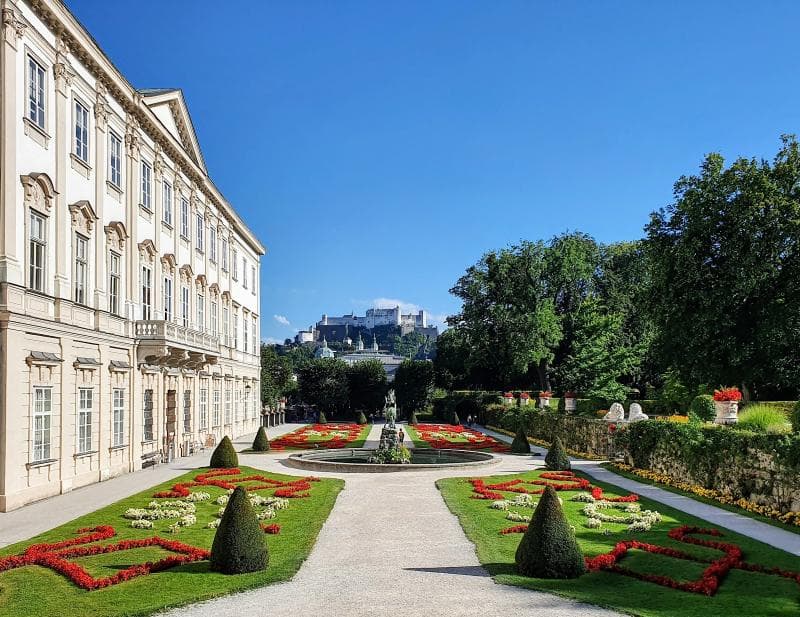
Discover the Marble Hall in Mirabell Palace, Salzburg, Austria – a Baroque masterpiece where Mozart performed and a popular wedding venue. Explore its history and splendor.
Overview
The Marble Hall, nestled within the magnificent Mirabell Palace and Gardens in Salzburg, Austria, stands as a testament to Baroque artistry and enduring cultural significance. This opulent chamber is widely celebrated as one of the world's most beautiful and historically important concert halls, captivating visitors with its grand architecture and rich past. Part of the Historic Centre of the City of Salzburg, a UNESCO World Heritage Site, the Marble Hall is not only a cherished venue for classical music but also a highly sought-after location for civil wedding ceremonies from around the globe. Its exquisite design and vibrant history offer a unique glimpse into the lavish lifestyle of Salzburg's former prince-archbishops and the city's profound connection to the arts.
History & Cultural Background
The origins of Mirabell Palace date back to 1606, when Prince-Archbishop Wolf Dietrich von Raitenau commissioned its construction. He built the palace, initially named Schloss Altenau, as a residence for his beloved mistress, Salome Alt, and their children. Following von Raitenau's deposition in 1612, his successor, Markus Sittikus von Hohenems, renamed it 'Mirabell' – a beautiful fusion of the Italian words 'mirabile' (admirable) and 'bella' (beautiful). The palace underwent a significant transformation between 1721 and 1727 under Prince-Archbishop Franz Anton von Harrach, who engaged the renowned Baroque architect Johann Lukas von Hildebrandt to redesign the complex. This ambitious project integrated the individual buildings into a cohesive and lavish Baroque masterpiece, giving the palace much of its current elegant appearance. Fortuitously, the Marble Hall, along with the grand marble staircase, survived largely unscathed during a devastating city fire on April 30, 1818, preserving its original Baroque splendor, unlike many other parts of the palace that required extensive restoration.
What Makes It Special
The Marble Hall's allure lies in its stunning visual appeal and exceptional acoustic properties. Adorned with opulent marble, intricate gilded stucco decorations, and remnants of exquisite frescoes, the hall transports visitors to a bygone era of aristocratic grandeur. Its design ensures superb acoustics, making it an ideal setting for classical music performances. Leading up to the hall is the famous Angel Staircase (Engelsstiege), a masterful creation by Austrian sculptor Georg Raphael Donner. This impressive staircase features a white marble balustrade exquisitely decorated with charming putti, or cherubs, making the ascent to the Marble Hall an artistic experience in itself and one of the Baroque period's finest works.
Stories, Fun Facts & Local Details
Perhaps one of the most enchanting aspects of the Marble Hall is its deep connection to Wolfgang Amadeus Mozart. The legendary composer, along with his father Leopold and sister Nannerl, graced this very hall with their musical performances for the Salzburg prince-archbishops. This historical association makes any concert held here a profoundly immersive experience, resonating with the spirit of Mozart. Beyond its musical heritage, the Marble Hall holds a romantic distinction: it is globally recognized as one of the most popular and beautiful venues for civil wedding ceremonies. Thousands of couples from around the world choose this magnificent setting to begin their married lives, drawn by its beauty and historic charm. This modern tradition echoes the palace's very foundation as a symbol of love, given its original purpose for Prince-Archbishop Wolf Dietrich and Salome Alt. The palace's name, 'Mirabell,' itself embodies this essence, meaning 'admirable' and 'beautiful', perfectly encapsulating the hall's character.
Visitor Perspective
For the curious traveler, experiencing the Marble Hall is a highlight of any visit to Mirabell Palace and Gardens. While primarily a venue for concerts and weddings, the hall is generally accessible for public viewing during specific hours, typically Monday, Wednesday, and Thursday mornings and Tuesday and Friday afternoons, provided no special events are taking place. Checking the official Mirabell Palace or Salzburg tourism websites for current opening times is advisable. Witnessing a Salzburg Palace Concert in this historic setting offers an unparalleled cultural experience, allowing guests to savor world-class classical music in an authentic Baroque ambiance. Standing within these hallowed walls, where Mozart once played and countless couples have exchanged vows, evokes a powerful sense of history, romance, and artistic legacy that makes the Marble Hall an unforgettable destination.
Coordinates: 13.0385, 47.8033
View on Google Maps💬 How Travelers Describe This Place
Based on community votes
Interesting
998Beautiful
817Unique
711Photogenic
641Must See
19
Traveler Stories
Discover memorable experiences shared by travelers who have visited this place.
No traveler stories yet.
Be the first traveler to share what made this place memorable.

Tour
By
Spot
Discover amazing places around the world. Your journey starts here.
Explore
© 2026 TourBySpot. All rights reserved.