Männli Tower
Lucerne, Switzerland
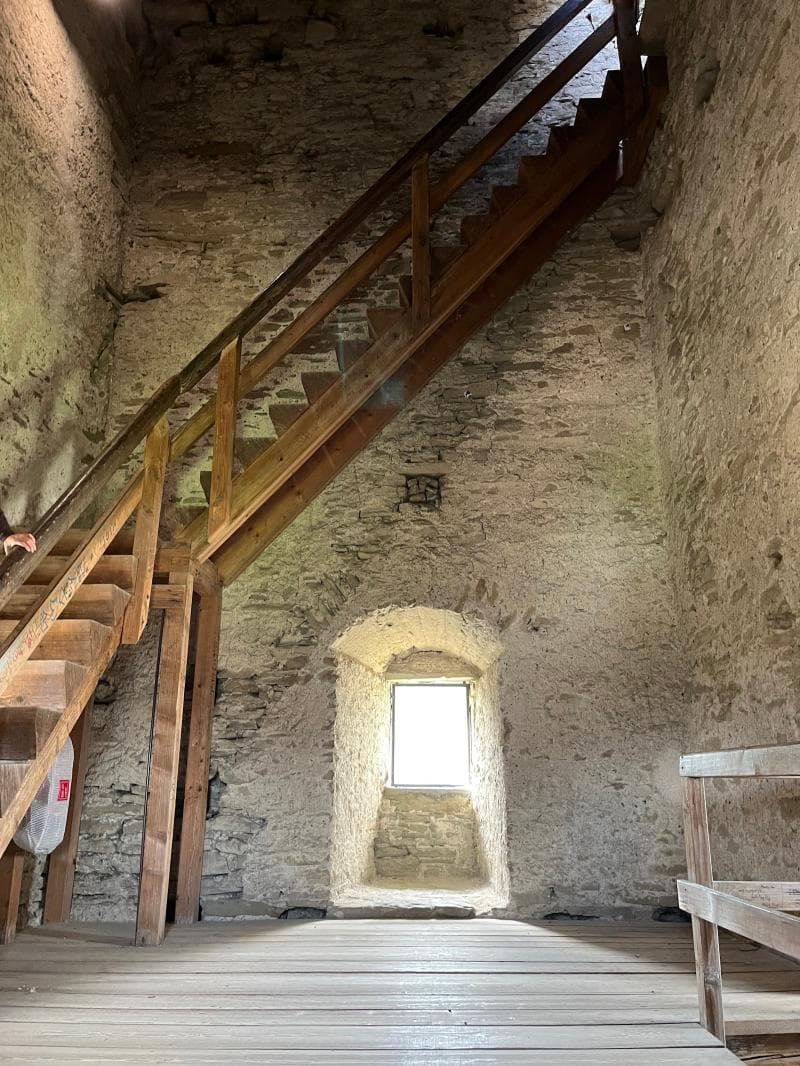
Explore Lucerne's Männli Tower, part of the medieval Musegg Wall in Switzerland. Discover history, panoramic views, and the 'iron man' figure.
Overview
Perched majestically along the historic Musegg Wall, the Männli Tower (Männliturm) offers a captivating glimpse into Lucerne's medieval past and breathtaking panoramic vistas. Located in Lucerne, Switzerland, the Männli Tower is one of nine preserved towers that crown the city's old town, forming a striking silhouette against the skyline. As an integral part of the longest continuous city wall in Switzerland, this impressive structure is not merely a historical relic but a vibrant vantage point for curious travelers. Visitors can ascend its storied steps to discover a rich history intertwined with stunning views of Lake Lucerne, the Reuss River, the city's charming rooftops, and the distant Alps, including Mount Pilatus. It stands as a testament to Lucerne's enduring heritage and provides a unique perspective on the 'City of Lights.'
History & Cultural Background
The Musegg Wall, the larger fortification within which the Männli Tower resides, traces its origins back to the 13th century, with significant construction occurring around 1370 and completed by 1408 or 1420. This formidable defensive structure, stretching approximately 870 meters, was built to protect Lucerne from external threats and played a crucial role in safeguarding the growing settlement after the Battle of Sempach. Originally boasting around 30 towers, nine remain intact today, each with its own character and story. The Männli Tower itself was constructed around the 15th century, though its exact build date is unknown. Throughout its history, like many medieval towers, it served as a vital part of the town's defenses, offering a strategic lookout point over the surrounding valleys and Lake Lucerne. It even briefly served as a prison at one point.
What Makes It Special
What truly sets the Männli Tower apart is the 'iron Männli' (little man) figure that graces its summit. This half-length, two-meter-high figure, clad in knight's armor and holding a flag and a sword, is a beloved symbol known throughout Switzerland. Standing at 33 meters from the ground to its pinnacle, the Männli Tower is one of the tallest along the Musegg Wall and offers an unparalleled viewing experience. It is one of four towers (along with the Zyt, Wacht, and Schirmer towers) that are regularly accessible to the public, allowing visitors to walk its battlements and soak in the breathtaking 360-degree vistas. The ascent of 125 steps leads to a viewing platform approximately 30 meters high, providing stunning photographic opportunities of Lucerne's picturesque landscape.
Stories, Fun Facts & Local Details
The 'iron Männli' atop the tower is more than just a decorative figure; it lends the tower its unique name and has become an iconic representation of Lucerne's strength and pride. From 1847 until after the Second World War, this 'little man' even played a practical role, being fitted with an optical telegraph for military communication by the Swiss Army, demonstrating the tower's evolving significance beyond mere defense. The Musegg Wall itself is not just a historical monument but also a valuable habitat for specialized flora and fauna, including rare breeding bird species like jackdaws and swifts, as well as bats and wall lizards. This blend of human history and natural ecosystem adds another layer of fascination to a visit. Local guilds and societies play a crucial role in the preservation and maintenance of the Musegg towers, often holding open houses to share their history with the public, highlighting a strong community connection to these ancient structures.
Visitor Perspective
Visiting the Männli Tower is an immersive journey into medieval times, offering both historical insights and spectacular scenery. The tower is typically open to the public seasonally, generally from April to November, between 8:00 AM and 7:00 PM. The climb up the 125 steps can be steep but is well worth the effort for the magnificent views from the viewing platform. It is recommended to wear comfortable shoes. For a more serene experience and fewer crowds, an early morning visit is often suggested. Access to the Musegg Wall and its accessible towers, including the Männli Tower, is usually free, though donation boxes are often present for the ongoing preservation efforts. The Männli Tower, along with the entire Musegg Wall, represents a fantastic opportunity for photography, especially during sunrise or sunset, capturing Lucerne's unique charm. The location is easily accessible on foot from Lucerne's Old Town, typically a 10-15 minute walk from the city center or train station.
Coordinates: 8.3032, 47.054
View on Google Maps💬 How Travelers Describe This Place
Based on community votes
Photogenic
953Unique
695Beautiful
396Must See
286Interesting
22
Traveler Stories
Discover memorable experiences shared by travelers who have visited this place.
No traveler stories yet.
Be the first traveler to share what made this place memorable.

Tour
By
Spot
Discover amazing places around the world. Your journey starts here.
Explore
© 2026 TourBySpot. All rights reserved.