Manila Cathedral
Manila, Philippines
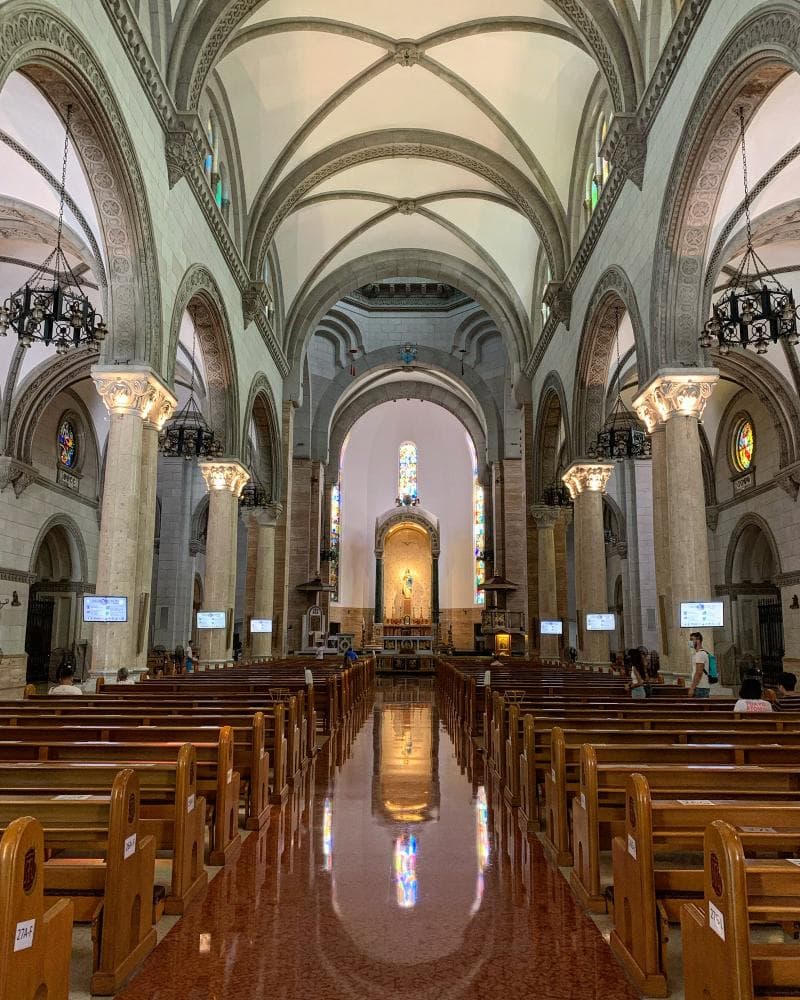
Explore Manila Cathedral in Intramuros, Philippines, a symbol of faith and resilience with stunning Neo-Romanesque architecture and a rich history.
Overview
Nestled within the historic walled city of Intramuros in Manila, Philippines, stands the magnificent Manila Cathedral, officially known as the Minor Basilica and Metropolitan Cathedral of the Immaculate Conception. This iconic landmark serves as the Mother Church of the Philippines and is the ecclesiastical seat of the Archdiocese of Manila. Its imposing Neo-Romanesque facade and grand interiors offer a captivating glimpse into centuries of Filipino faith, artistry, and unwavering resilience. More than just a place of worship, the Manila Cathedral is a testament to the enduring spirit of a nation, having been rebuilt multiple times from the ashes of natural disasters and wartime devastation.
History & Cultural Background
The story of the Manila Cathedral dates back to 1571 when Miguel López de Legazpi established the Spanish colonial capital. The first humble church structure, made of nipa, wood, and bamboo, was consecrated in 1581, becoming the first cathedral of the newly established Diocese of Manila. However, its history is marked by a series of unfortunate events, as the cathedral has been destroyed and rebuilt at least eight times.
The first destruction occurred in 1583 due to a fire that ravaged the city. Subsequent cathedrals fell victim to devastating earthquakes in 1600, 1621, 1645, 1852, and 1863, among others. Each time, the Filipino people, driven by deep faith and an indomitable spirit, undertook the arduous task of reconstruction, often incorporating new architectural styles. The most destructive event was during the Battle of Manila in 1945, towards the end of World War II, which left much of Intramuros, including the cathedral, in ruins. The current and eighth iteration of the Manila Cathedral, a Neo-Romanesque masterpiece, was built from 1954 to 1958 under the supervision of Filipino architect Fernando H. Ocampo and was completed in 1958. In recognition of its significance, Pope John Paul II elevated the cathedral to the rank of Minor Basilica in 1981. It has since hosted three papal visits: Pope Paul VI, Pope John Paul II, and Pope Francis, further cementing its role as a spiritual beacon for the Philippines.
What Makes It Special
The Manila Cathedral stands out with its striking Neo-Romanesque architecture, a style that blends European classical elements with Filipino artistry. The northwest facade features statues of prominent saints sculpted from Roman travertine stone. The central bronze doors are particularly notable, intricately depicting the cathedral's storied past through artistic panels.
Inside, the cathedral boasts a Latin cross layout and a majestic central dome. Sunlight filters through 134 exquisite stained-glass windows, many designed by national artist Galo Ocampo, illuminating biblical scenes and incorporating Filipino symbols and local saints. The main altar is a focal point, featuring a life-size gilded bronze statue of Our Lady of the Immaculate Conception, the principal patroness of the Philippines. The Episcopal Throne, reserved for the Archbishop of Manila, is crafted from rich Carrara marble. Below the main altar lies the crypt, the solemn resting place for past Archbishops of Manila, including Cardinal Jaime Sin.
Stories, Fun Facts & Local Details
The Manila Cathedral is often referred to as the 'Mother of all Churches' in the Philippines, symbolizing the deep roots of Catholicism in the archipelago. Its repeated destruction and reconstruction narrate a powerful story of Filipino resilience and unwavering faith, making it one of the toughest buildings in Philippine history. Interestingly, the design of the current cathedral was specifically reinforced with thicker walls and shorter towers to withstand earthquakes, a direct response to the numerous seismic events it endured.
Historical records indicate that the first baptism of a Filipino, Rajah Matanda, was held near the cathedral's original site. The cathedral also serves as a significant venue for state funerals and national ceremonies, bridging religious and civic life. An earlier iteration of the cathedral featured a four-armed cross crowning its cupola, which served as a reference point for astronomical longitudes across the Philippines. Moreover, its pipe organ is considered one of the largest in the Far East, contributing to the resonant acoustics experienced during services and musical performances.
Visitor Perspective
A visit to the Manila Cathedral is a deeply enriching experience, offering both historical insights and spiritual tranquility. Admission to the cathedral is free, making it an accessible destination for all. Located conveniently within Intramuros, it is easily reachable by various modes of transport, including taxis or local jeepneys from nearby LRT stations. For those exploring Intramuros on foot, the cathedral is a central and rewarding stop.
When visiting, it's advisable to wear modest clothing that covers shoulders and knees, out of respect for its status as an active place of worship. To appreciate the architectural grandeur and avoid crowds, consider an early morning visit to catch the soft light on the facade, or a late afternoon visit when the acoustics come alive with choir practices. Inside, take your time to admire the intricate details: the stained-glass windows that tell stories in vibrant hues, the imposing main altar, and the serene atmosphere that pervades this sacred space. Attending a Mass can further immerse you in the local cultural and spiritual experience.
Coordinates: 120.97361, 14.59151
View on Google Maps💬 How Travelers Describe This Place
Based on community votes
Beautiful
981Unique
617Interesting
357Photogenic
147Must See
28
Traveler Stories
Discover memorable experiences shared by travelers who have visited this place.
No traveler stories yet.
Be the first traveler to share what made this place memorable.

Tour
By
Spot
Discover amazing places around the world. Your journey starts here.
Explore
© 2026 TourBySpot. All rights reserved.