Manduševac Fountain
Zagreb, Croatia
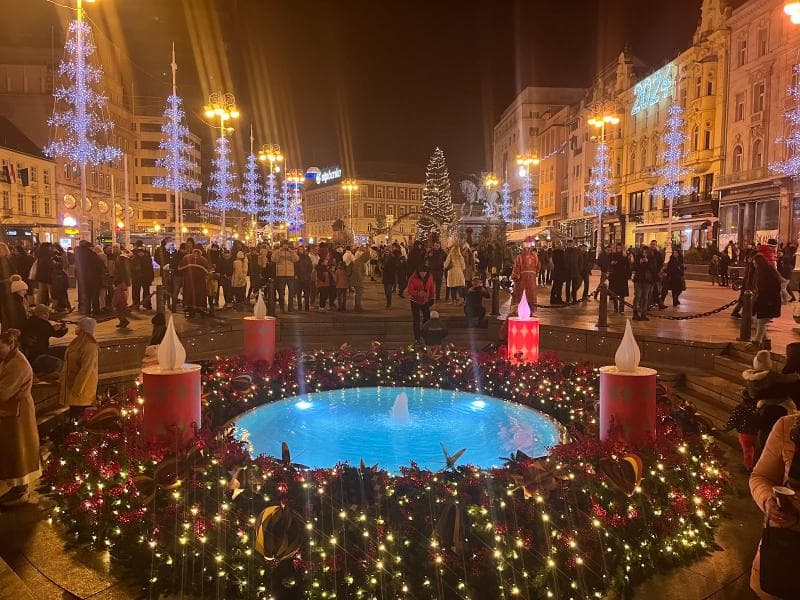
Discover Manduševac Fountain in Zagreb, Croatia's Ban Jelačić Square. Learn its legends, history as a vital spring, and cultural significance to the city.
Overview
Nestled in the bustling heart of Zagreb, Croatia, the Manduševac Fountain is far more than a decorative water feature; it is an iconic landmark deeply woven into the city's identity and folklore. Situated prominently within Ban Jelačić Square, this fountain serves as a natural focal point and a beloved meeting spot for both locals and curious travelers. Its waters, once a vital source for medieval Zagreb, now invite quiet contemplation and spark imagination with tales that stretch back through centuries. Manduševac is not merely a place to observe; it is a point of connection to Zagreb's past, present, and the enduring spirit of its people.
History & Cultural Background
The history of Manduševac Fountain is inextricably linked to the very foundation and evolution of Zagreb. Its origins trace back to ancient times, as it stands over a natural spring that continuously provided water for generations. This spring was crucial for the early inhabitants and played a significant role in the development of the city's first marketplace, known as Harmica, which grew around this essential water source. For centuries, Manduševac functioned as a primary drinking water supply for the populace. However, in 1898, during a major reconstruction and paving of Ban Jelačić Square, the spring was covered and largely forgotten, its location lost to memory for almost a hundred years. It was only rediscovered in 1986, during another extensive renovation of the square (then called Republic Square). Public demand following its rediscovery ensured that the fountain was reinstated, restored to its current form, and has been a central feature of the square ever since. The Manduševac Fountain's profound significance is further underscored by its depiction on the coat of arms of Zagreb County, solidifying its place as a powerful symbol of the city's rich historical and cultural heritage.
What Makes It Special
Manduševac Fountain holds a special place in the hearts of Zagreb's residents due to its unique blend of historical resilience, architectural elegance, and deep cultural resonance. The current circular stone fountain with its bronze basin is a sight to behold, offering an aesthetically pleasing element to the lively Ban Jelačić Square. What truly sets it apart, however, is its incredible journey from a forgotten, buried spring to a celebrated landmark resurrected by public will. Its original function as a life-giving water source speaks to its fundamental importance to the city's survival and growth. Even though its water is not potable today, its enduring presence serves as a constant reminder of Zagreb's ancient roots and its connection to nature. The fountain's ability to inspire legends and folklore, some of which are believed to have given the city its name, makes it a living repository of Zagreb's collective memory. It's not just a structure; it's a narrative node where history, myth, and civic pride converge, making it a truly distinctive and meaningful site.
Stories, Fun Facts & Local Details
The Manduševac Fountain is steeped in a captivating tapestry of stories and local lore, most notably the legend concerning the very naming of Zagreb. The most widely accepted tale recounts a thirsty knight or war leader returning from battle who encountered a beautiful girl named Manda at the spring. Exhausted, he asked her, 'Manda, dušo, zagrabi vode!' ('Manda, my dear, scoop some water!'). From this request, the legend says, both the fountain (Manduševac, after Manda) and the city (Zagreb, from 'zagrabiti' – to scoop) derived their names. This charming folk etymology highlights the fountain's fundamental role in the city's identity. Another popular belief suggests that tossing a coin into Manduševac while making a wish will ensure your return to Zagreb. This tradition transforms the fountain into a wishing well, connecting visitors emotionally to the city. Intriguingly, darker tales also swirl around Manduševac, with some folklore associating it with witches ('coprnice') and claims of curses causing the fountain to dry up, only to flow again once the hex was lifted. These mystical narratives add a layer of intriguing mystery to its history. Beyond legends, Manduševac is a vibrant part of modern Zagreb's social fabric. While the square has other popular meeting points like 'under the clock' or 'under the horse's tail' (referring to the Ban Jelačić statue), the fountain itself is a beloved gathering place, a constant witness to daily life, celebrations, and even the occasional exuberant jump by high school graduates marking their rites of passage.
Visitor Perspective
For visitors to Zagreb, the Manduševac Fountain offers an authentic and engaging experience right in the heart of the city. Its central location on Ban Jelačić Square means it's often a first point of contact and an easy orientation marker for exploring the surrounding attractions. Travelers often pause to admire its simple yet elegant design, but it's the rich narrative woven around it that truly captivates. Listening to the gentle flow of its water, one can almost hear the echoes of ancient legends and the historical whispers of a city born from this very spot. Many are drawn to participate in the tradition of tossing a coin into the fountain, not just for a wish, but as a symbolic gesture of hope to return to this enchanting city. It is a popular spot for photographs, providing a picturesque backdrop that embodies Zagreb's spirit. More than just a photo opportunity, Manduševac is a place where you can feel the pulse of Zagreb, observe locals going about their day, and immerse yourself in a piece of living history that continues to inspire and charm all who visit. Its accessibility and prominence make it an unmissable stop for anyone wishing to connect with the cultural soul of Croatia's capital.
Coordinates: 15.97798, 45.81299
View on Google Maps💬 How Travelers Describe This Place
Based on community votes
Interesting
800Must See
658Beautiful
589Photogenic
387Unique
90
Traveler Stories
Discover memorable experiences shared by travelers who have visited this place.
No traveler stories yet.
Be the first traveler to share what made this place memorable.

Tour
By
Spot
Discover amazing places around the world. Your journey starts here.
Explore
© 2026 TourBySpot. All rights reserved.