Main Sanctuary
Phnom Penh, Cambodia
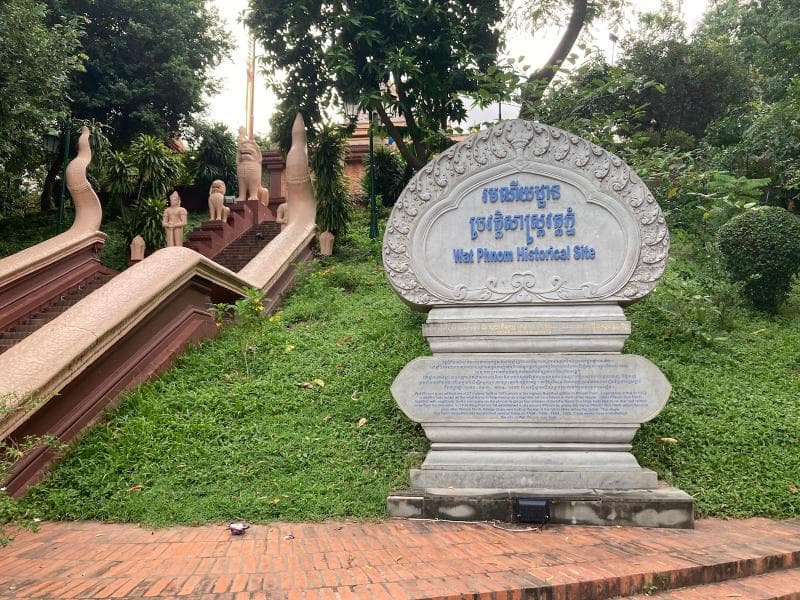
Discover the spiritual Main Sanctuary at Wat Phnom in Phnom Penh, Cambodia. Explore its rich history, sacred Buddha images, and vibrant murals.
Overview
The Main Sanctuary, often referred to as the Vihara or assembly hall, stands as the spiritual heart of Wat Phnom, the tallest religious structure in Phnom Penh, Cambodia. Perched atop an artificial hill reaching approximately 27 meters (88 feet) high, this sacred space serves as a focal point for worship, reflection, and cultural appreciation. The sanctuary is integral to the entire Wat Phnom complex, which itself is a defining landmark and the very namesake of the Cambodian capital. It is a place where centuries of devotion, legend, and architectural evolution converge, inviting visitors to experience a profound connection to Cambodian heritage.
Throughout its long history, the Main Sanctuary has undergone numerous rebuilds and renovations, with its present form largely dating back to 1926. This resilience reflects the enduring spiritual significance it holds for the people of Phnom Penh. When you approach the sanctuary, you are not just entering a building; you are stepping into a living testament to faith and cultural continuity.
History & Cultural Background
The origins of Wat Phnom, and by extension its Main Sanctuary, are steeped in a captivating legend dating back to 1372. The story attributes its founding to a wealthy widow named Lady Penh (Daun Penh). According to lore, Lady Penh discovered four bronze Buddha statues, and potentially a stone statue of Vishnu, inside a Koki tree trunk floating in the Mekong River. Inspired by this auspicious find, she rallied her neighbors to build a small shrine on a nearby hill to enshrine these sacred images. This humble mound eventually became 'Phnom Penh'—'Penh's Hill'—giving the city its name.
The site's importance grew significantly when King Ponhea Yat, in 1434 (or 1422, depending on historical accounts), moved his royal capital from Angkor to Phnom Penh. He further developed the temple complex, solidifying its role as a crucial spiritual and administrative center. Behind the Main Sanctuary, a large bell-shaped stupa enshrines the ashes of King Ponhea Yat, honoring his legacy in shaping the city. Wat Phnom quickly became a powerful symbol of prosperity and spirituality, serving as a vibrant center for Theravada Buddhist worship and playing a central role in significant festivals such as Khmer New Year and Pchum Ben (Ancestors' Day).
What Makes It Special
Stepping inside the Main Sanctuary is an immersive experience. At its core sits a magnificent, large bronze seated Buddha image, typically depicted in the 'Subduing Mara' mudra, positioned on a raised pedestal. This principal statue is often flanked by other Buddha images, adorned with fresh flowers, burning candles, and various items of devotion left by worshippers, creating a serene and contemplative atmosphere.
The interior walls and ceilings of the sanctuary are a canvas of vibrant and intricate murals. These paintings vividly narrate the Jataka tales, which recount the previous lives of the Buddha before his enlightenment. Alongside these, visitors can admire depictions from the Reamker, the Cambodian rendition of the ancient Indian epic Ramayana. The artistry, which often blends both traditional and more modern styles in its lower tiers, offers a visual feast and a profound insight into Buddhist philosophy and Khmer mythology. The grand eastern staircase, guarded by imposing Naga serpents, fierce lions, and armed guardian statues, provides a majestic approach to this sacred space, setting a respectful tone for the spiritual journey within.
Stories, Fun Facts & Local Details
The enchanting legend of Lady Penh discovering the Buddha statues in the Koki tree is more than just a historical anecdote; it is the foundational narrative for both Wat Phnom and the entire city of Phnom Penh. This story imbues the Main Sanctuary with a deep sense of origin and spiritual destiny. Many locals visit the temple to make wishes, seeking good fortune, success in academic pursuits, or prosperity in business. It is a common practice that if a wish is granted, the faithful return to offer gratitude through specific offerings, such as garlands of jasmine flowers or bunches of bananas, believed to be favored by the spirits.
Near the Main Sanctuary, you'll find a dedicated shrine to Lady Penh herself, often bustling with devotees leaving offerings and prayers to the temple's revered female founder. Beyond the tranquility of the sanctuary, the broader grounds of Wat Phnom are a lively tableau of local life. While monkeys may occasionally be spotted amidst the lush gardens, the base of the hill often features a vibrant scene of vendors, street performers, and fortune-tellers, offering a glimpse into the everyday rhythm of Cambodian culture surrounding this ancient site.
Visitor Perspective
For those planning to visit the Main Sanctuary at Wat Phnom, showing respect for its sacred nature is paramount. Dressing modestly, by covering shoulders and knees, is a customary gesture that honors the spiritual significance of the site. Upon entering any of the shrines or the sanctuary itself, visitors are expected to remove their shoes, a tradition that signifies reverence and cleanliness. Maintaining a quiet and respectful demeanor helps preserve the peaceful atmosphere, allowing for a more profound experience for all.
Typically, visitors allocate one to two hours to fully appreciate the Main Sanctuary and the surrounding complex. An early morning visit is often recommended, as it offers a serene environment before the crowds arrive and allows for capturing the temple's beauty in the soft morning light. Climbing the steps to the summit offers not only access to the sanctuary but also provides refreshing panoramic views of the bustling city of Phnom Penh, offering a moment of tranquility above the urban energy.
Coordinates: 104.91601, 11.56245
View on Google Maps💬 How Travelers Describe This Place
Based on community votes
Unique
965Interesting
629Must See
443Beautiful
184Photogenic
176
Traveler Stories
Discover memorable experiences shared by travelers who have visited this place.
No traveler stories yet.
Be the first traveler to share what made this place memorable.

Tour
By
Spot
Discover amazing places around the world. Your journey starts here.
Explore
© 2026 TourBySpot. All rights reserved.