Main Sanctuary
Manila, Philippines
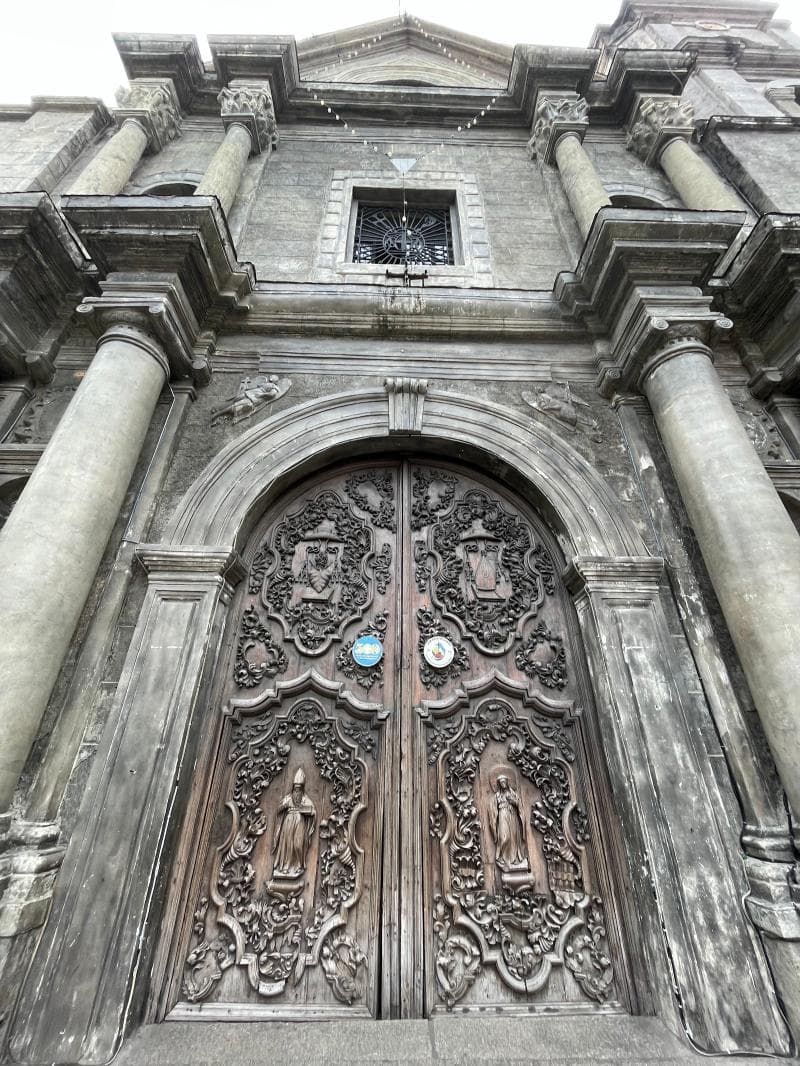
Explore the Main Sanctuary of San Agustin Church in Manila, Philippines, a UNESCO World Heritage Site. Discover its 'Earthquake Baroque' architecture, historical significance, and intricate trompe-l'œil ceilings.
Overview
Stepping into the Main Sanctuary of San Agustin Church in Manila, Philippines, is like traversing centuries of history, faith, and art. Located within the historic walled city of Intramuros, this magnificent structure is not just the oldest stone church in the Philippines, but also a UNESCO World Heritage Site, recognized for its exceptional 'Earthquake Baroque' architecture. The sanctuary itself is the spiritual heart of the church, a place where the grandeur of Spanish colonial design meets the enduring devotion of the Filipino people. It stands as a powerful testament to resilience, having withstood numerous earthquakes, fires, and wars, including the devastation of World War II.
As a visitor, you're invited to explore a space that continues to serve as an active parish, hosting daily Masses, weddings, and other religious ceremonies, blending its rich past with a vibrant present.
History & Cultural Background
The history of San Agustin Church's Main Sanctuary is deeply interwoven with the story of the Philippines itself. The current stone edifice, completed in 1607, is actually the third Augustinian church built on this site, with the previous two, made of wood and nipa, succumbing to fire. Its construction marked a pivotal moment in the spread of Christianity in the archipelago, initiated by the Augustinian friars.
Architecturally, the church exemplifies the 'Earthquake Baroque' style, a design adapted to the seismic conditions of the Philippines. This is evident in its enormously thick walls, low center of gravity, and the strategic positioning of heavy buttresses, cleverly integrated as separating walls for side chapels within the interior. The church has borne witness to countless historical events; it was looted by British forces in 1762, served as the venue for the discussion and signing of Manila's surrender to the Americans in 1898, and tragically, was used as a concentration camp during the Japanese occupation in World War II. Remarkably, it was the only major building in Intramuros to survive the Battle of Manila in 1945, standing tall amidst widespread destruction.
What Makes It Special
The Main Sanctuary's interior is a breathtaking display of Baroque artistry and engineering. One of its most striking features is the magnificent trompe-l'œil ceiling, painted by Italian artists Cesare Alberoni and Giovanni Dibella in the late 19th century, which creates an illusion of depth and three-dimensionality, drawing your gaze upwards to painted clouds and architectural details. The grand altarpiece (retablo mayor) serves as a majestic focal point, intricately carved and gilded, reflecting the opulence of the Spanish golden era.
Beyond the visual splendor, the sanctuary boasts impressive craftsmanship in its details, including intricately carved wooden doors and a historic choir loft. The choir loft features sixty-eight carved molave stalls with fine inlays, dating back to 1606, and an artistic lectern imported from Macao in 1731, making it a testament to centuries of artistry. The unique structural design, with its barrel vaulting and cryptocollateral chapels acting as internal buttresses, showcases an innovative solution to building in an earthquake-prone region.
Stories, Fun Facts & Local Details
The San Agustin Church is steeped in fascinating stories and cultural nuances. For instance, the church's main wooden doorways feature intricately carved bas-reliefs, and subtly, you might spot Chinese 'fu' dogs guarding the entrance, alongside carvings of pineapples on the pulpit, indicating a blend of Chinese and local Filipino influences on the European Baroque design. This fusion highlights the diverse cultural tapestry that has shaped the Philippines.
The easternmost chapel of the transept serves as the resting place for several significant historical figures, including Miguel López de Legazpi, the first Spanish Governor-General of the Philippines. This makes the sanctuary not just a place of worship but also a mausoleum for those who shaped the nation's early colonial history. The church is a popular choice for weddings, with many couples seeking to exchange vows amidst its historic and romantic backdrop.
Visitor Perspective
Visiting the Main Sanctuary offers a profound sense of history and spirituality. As you step from the bustling streets of Intramuros into its cool, hushed interior, you'll feel a palpable shift in atmosphere. The massive stone walls, the soft glow of light filtering through the windows, and the ancient art evoke a sense of timelessness. It's a place for quiet contemplation, offering a respite from the modern world.
To fully appreciate the sanctuary, consider attending a Mass to experience its acoustics and spiritual ambiance, but if your primary interest is sightseeing, it's advisable to check schedules to avoid disrupting services. Dress modestly, covering shoulders and knees, as a sign of respect for this active place of worship. The intricate details, from the carvings on the confessionals to the revered statues of saints in the various chapels, invite you to slow down and observe the layers of history and devotion etched into every corner.
Coordinates: 120.9715, 14.5867
View on Google Maps💬 How Travelers Describe This Place
Based on community votes
Photogenic
934Unique
879Interesting
741Must See
482Beautiful
396
Traveler Stories
Discover memorable experiences shared by travelers who have visited this place.
No traveler stories yet.
Be the first traveler to share what made this place memorable.

Tour
By
Spot
Discover amazing places around the world. Your journey starts here.
Explore
© 2026 TourBySpot. All rights reserved.