Main Prayer Hall of the Mosque
Antalya, Turkey
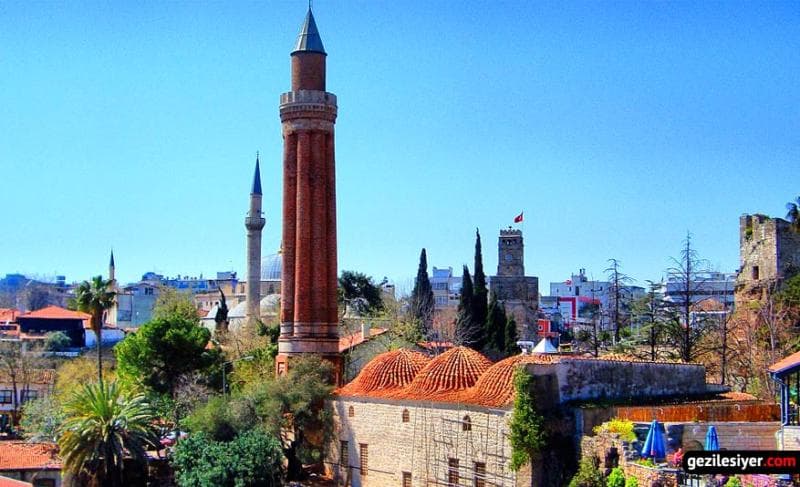
Explore the Main Prayer Hall of Yivli Minaret Mosque in Antalya, Turkey. Discover its Seljuk architecture, unique domes, and rich history.
Overview
Stepping into the Main Prayer Hall of the Yivli Minaret Mosque in Antalya, Turkey, offers a profound journey through centuries of Anatolian history and Islamic artistry. Located within the historic Kaleiçi district, this prayer hall is a vital part of the mosque complex, which stands as a prominent symbol of Antalya itself. Its architectural design, characterized by a rectangular plan crowned with six domes and supported by twelve columns, marks it as one of the oldest and most significant multi-domed mosques in Anatolia. The peaceful ambiance within its walls provides a spiritual sanctuary, inviting contemplation and appreciation for the rich cultural tapestry it represents. From its origins to its present-day function, the prayer hall serves as a living testament to the Seljuk era's enduring legacy and the continuous flow of faith and community in this vibrant city.
History & Cultural Background
The origins of the Yivli Minaret Mosque complex trace back to the early 13th century, a period when Anatolia came under Seljuk rule. Initially, a mosque was constructed around 1230 by Seljuk Sultan Alaeddin Keykubad I, reportedly on the foundations of an earlier Byzantine church. This act of building upon pre-existing structures was a common practice, reflecting a blend of cultures and continuity of sacred spaces. However, the original prayer hall did not endure. It was later destroyed and meticulously rebuilt in 1373 by Mehmet Bey, a member of the Hamidids dynasty. This reconstruction introduced the distinctive six-domed layout, supported by twelve columns, many of which astonishingly feature capitals repurposed from ancient Roman or Byzantine structures. This historical layering gives the prayer hall a unique depth, showcasing the architectural and cultural transitions that shaped Antalya over centuries. It stands not only as a place of worship but also as a powerful historical document, narrating the Seljuk Sultanate's artistic sophistication and religious devotion.
What Makes It Special
The Main Prayer Hall of the Yivli Minaret Mosque is particularly distinguished by several remarkable features. Foremost is its multi-domed roof, an early and significant example of this architectural style in Anatolia, featuring six domes arranged in two rows. These domes lend a sense of spaciousness and architectural grandeur to the interior. The hall's structure is supported by twelve robust columns, a fascinating detail of which is the incorporation of ancient capitals. These capitals are believed to have originated from Roman or Byzantine buildings, offering a tangible connection to the layers of history beneath the mosque. The interior, while described as having 'minimal decoration' in the early Seljuk architectural style, features intricate Seljuk-era tilework and delicate wood carvings. The mihrab, the prayer niche indicating the direction of Mecca, and the minbar, the pulpit, display fine craftsmanship characteristic of the period's artistry, enriching the spiritual atmosphere. A truly unique aspect discovered during the 2007-2010 restoration was an ancient water system beneath the prayer hall, which is now visibly preserved beneath a glass floor section, offering visitors a glimpse into its deep past.
Stories, Fun Facts & Local Details
One of the most intriguing discoveries associated with the Main Prayer Hall occurred during its extensive restoration between 2007 and 2010. Workers unearthed an ancient water system directly beneath the prayer hall floor. Rather than reburying this historical find, a clear glass floor section was installed, allowing visitors to peer down into this previously hidden infrastructure. This unexpected window into the past offers a fascinating 'fun fact' about the continuous habitation and intelligent design of the site over millennia. The reuse of Roman and Byzantine column capitals within the prayer hall's structure tells a silent story of resourcefulness and the blending of cultures, where elements from one civilization were respectfully integrated into another. Despite its age and historical significance, the Yivli Minaret Mosque remains an active and vibrant place of worship for the local community. It bridges the gap between a treasured historical monument and a living spiritual center, embodying the enduring faith and heritage of Antalya. The interior's 'simple yet powerful structure' with its stone-carved mihrab creates a profound, almost timeless, spiritual ambiance.
Visitor Perspective
Visiting the Main Prayer Hall is an experience of respectful immersion. As it is a functioning mosque, visitors are kindly asked to observe local customs and dress modestly. This typically means ensuring shoulders and knees are covered for all visitors, and women may wish to bring a headscarf out of respect. Before entering the prayer hall, shoes must be removed, with designated areas usually provided for storage. There is no entrance fee, allowing everyone to experience its beauty and tranquility. To fully appreciate the serene atmosphere and intricate details without interruption, it's advisable to plan your visit outside of daily prayer times, particularly avoiding the midday Friday prayer when the hall may be busiest or less accessible to tourists. Early mornings or late afternoons are often recommended for a quieter and more reflective experience. Stepping onto the traditional carpets, beneath the arches and domes, visitors often describe a profound sense of peace and a deep connection to the rich history and spiritual life of Antalya. It's a place where history feels alive, and quiet contemplation is encouraged.
Coordinates: 30.7044, 36.8864
View on Google Maps💬 How Travelers Describe This Place
Based on community votes
Interesting
618Unique
449Must See
335Photogenic
308Beautiful
22
Traveler Stories
Discover memorable experiences shared by travelers who have visited this place.
No traveler stories yet.
Be the first traveler to share what made this place memorable.

Tour
By
Spot
Discover amazing places around the world. Your journey starts here.
Explore
© 2026 TourBySpot. All rights reserved.