Main Nave
Vienna, Austria
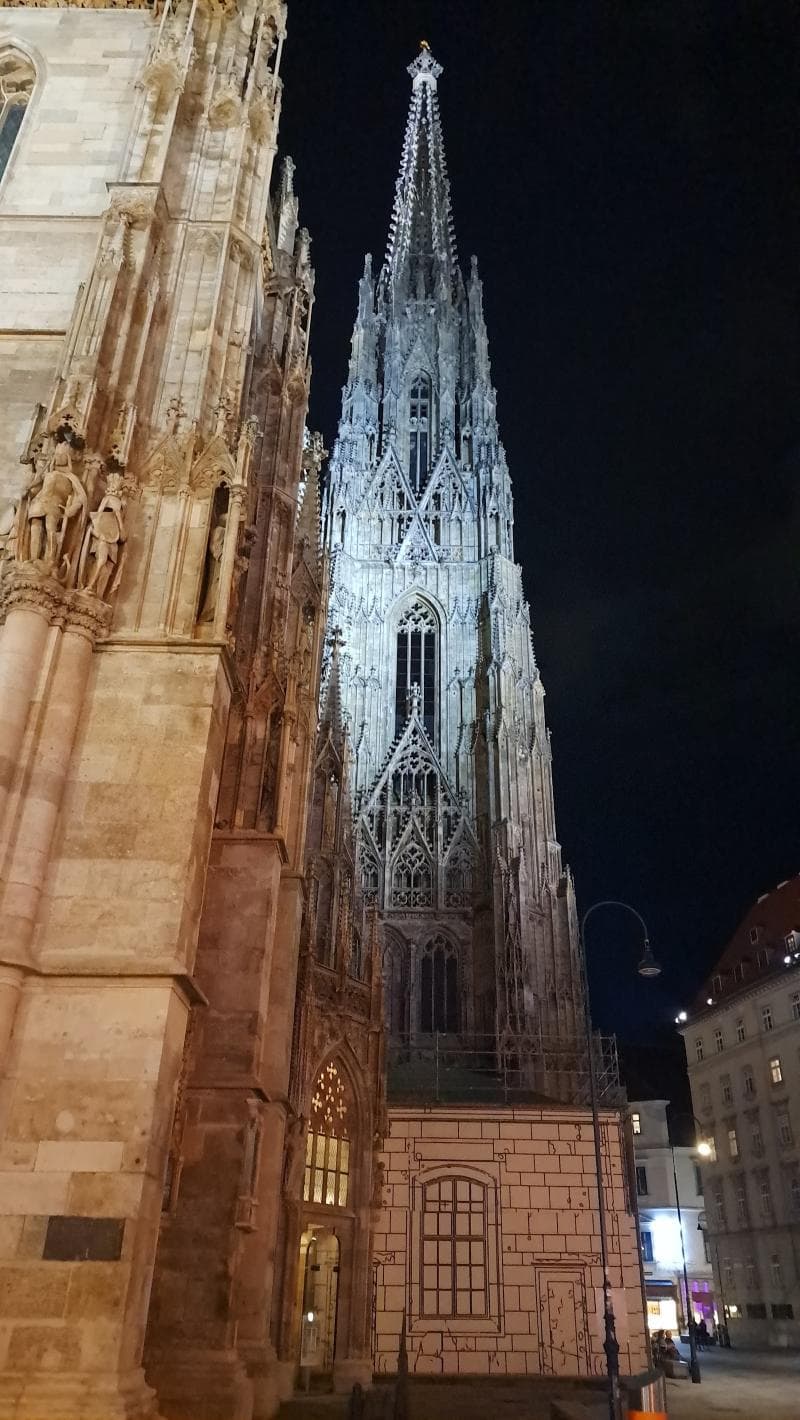
Explore the Main Nave of St. Stephen's Cathedral in Vienna, Austria. Discover its Gothic architecture, rich history, and cultural significance.
Overview
Stepping into the Main Nave of St. Stephen's Cathedral, or Stephansdom as it's known to locals, is an awe-inspiring experience that immediately connects you to centuries of Viennese history and faith. Located at the vibrant heart of Vienna, Austria, this magnificent Roman Catholic cathedral stands as an enduring symbol of the city. The Main Nave, dedicated largely to St. Stephen and All Saints, forms the spiritual and architectural core of this Gothic masterpiece. Its impressive dimensions, reaching approximately 107 meters in length and 34 meters in width, create a profound sense of grandeur and solemnity for all who enter.
As Vienna's most significant religious building, St. Stephen's Cathedral has witnessed countless pivotal moments, from royal weddings and funerals to periods of conflict and joyous celebrations. The Main Nave serves as the central artery of this living monument, drawing visitors from across the globe to admire its intricate details and soak in its unique atmosphere. While portions of the cathedral require a ticket for deeper exploration, the initial section of the Main Nave offers a freely accessible glimpse into its grandeur, inviting curious travelers to begin their journey through its hallowed halls.
History & Cultural Background
The history of St. Stephen's Cathedral is a tapestry woven through nearly nine centuries, with the site itself holding even older roots, possibly dating back to ancient Roman times. The first church on this ground was consecrated in 1147, laying the foundation for what would become one of Europe's most prominent cathedrals. Initially built in a Romanesque style, elements like the Giant's Door (Riesentor) and the Heathen Towers (Heidentürme) on the western facade still bear witness to this early architectural phase, surviving from the 13th century.
A devastating fire in 1258 necessitated a significant rebuilding effort. The Gothic transformation, which defines much of the cathedral's current appearance, began in earnest under Duke Rudolf IV in 1359. This ambitious expansion eventually led to Vienna gaining its own bishopric, elevating St. Stephen's to a cathedral in 1469. The cathedral has endured numerous challenges, most notably severe damage from a fire in April 1945 during the final days of World War II. Its subsequent reconstruction, completed by 1952, became a powerful symbol of Austria's resilience and rebirth, echoing the nation's determination to rebuild its heritage.
What Makes It Special
The Main Nave of St. Stephen's Cathedral is a testament to the enduring power and artistry of Gothic architecture, seamlessly integrated with earlier Romanesque foundations. Its most striking features include the towering Gothic vaults that soar overhead, creating a profound sense of verticality and spiritual aspiration. Unlike some French Gothic cathedrals, the aisles in Stephansdom are nearly as high as the central nave, characteristic of the 'hall church' style common in German Gothic architecture. This design choice contributes to a more expansive, unified internal space.
Intricate rib vaulting adds to the architectural complexity, guiding the eye upward towards the heavens. The filtering of natural light through the stained-glass windows bathes the interior in a mystical glow, creating an ever-changing spectacle of color and shadow that enhances the contemplative atmosphere. Within the nave, visitors can marvel at the Anton Pilgram Pulpit, a masterpiece of European Gothic art carved from limestone in 1515, renowned for its delicate detailing and the sculptor's self-portrait peering from beneath. This combination of structural brilliance and artistic finesse makes the Main Nave a truly unique and captivating space.
Stories, Fun Facts & Local Details
St. Stephen's Cathedral is more than just a building; it's a living repository of stories and local affection. Affectionately dubbed 'Steffl' by the Viennese, a diminutive of Stephen, the cathedral is deeply ingrained in the city's identity. The Main Nave, in particular, has witnessed countless historical events, including the marriage of Wolfgang Amadeus Mozart in 1782 and his funeral in 1791.
Beyond its interior, the cathedral's famous roof is a visual spectacle, covered by approximately 230,000 glazed tiles. These colorful tiles form a magnificent mosaic, depicting the double-headed eagle of the Habsburg Empire and the coats of arms of both the City of Vienna and the Republic of Austria, symbols of its rich imperial past and national pride. The sheer scale of the building, which includes its impressive South Tower that stood as one of Europe's tallest structures for centuries, further underscores its historical significance and the ambition of its builders.
Visitor Perspective
For the curious traveler, entering the Main Nave of St. Stephen's Cathedral offers an immediate sense of wonder and historical depth. The vastness of the space, combined with the intricate architectural details, invites quiet contemplation. Visitors can freely access the initial sections of the nave, allowing for an appreciation of the Gothic architecture, several altars, and side chapels. This provides a tranquil environment for reflection or simply to absorb the centuries of history encased within its stone walls. However, to fully immerse oneself in the cathedral's treasures, including the central area, presbytery, and innermost chapels, a purchased ticket is required. Self-guided audio tours are available to enrich the experience, offering historical context and detailed explanations of the many features within the nave and beyond. Whether you spend a few moments in quiet awe or delve deeper into its history, the Main Nave promises a memorable journey into Vienna's spiritual and cultural heritage.
Coordinates: 16.373, 48.2085
View on Google Maps💬 How Travelers Describe This Place
Based on community votes
Interesting
948Photogenic
913Beautiful
595Must See
358Unique
196
Traveler Stories
Discover memorable experiences shared by travelers who have visited this place.
No traveler stories yet.
Be the first traveler to share what made this place memorable.

Tour
By
Spot
Discover amazing places around the world. Your journey starts here.
Explore
© 2026 TourBySpot. All rights reserved.