Main Nave
Berlin, Germany
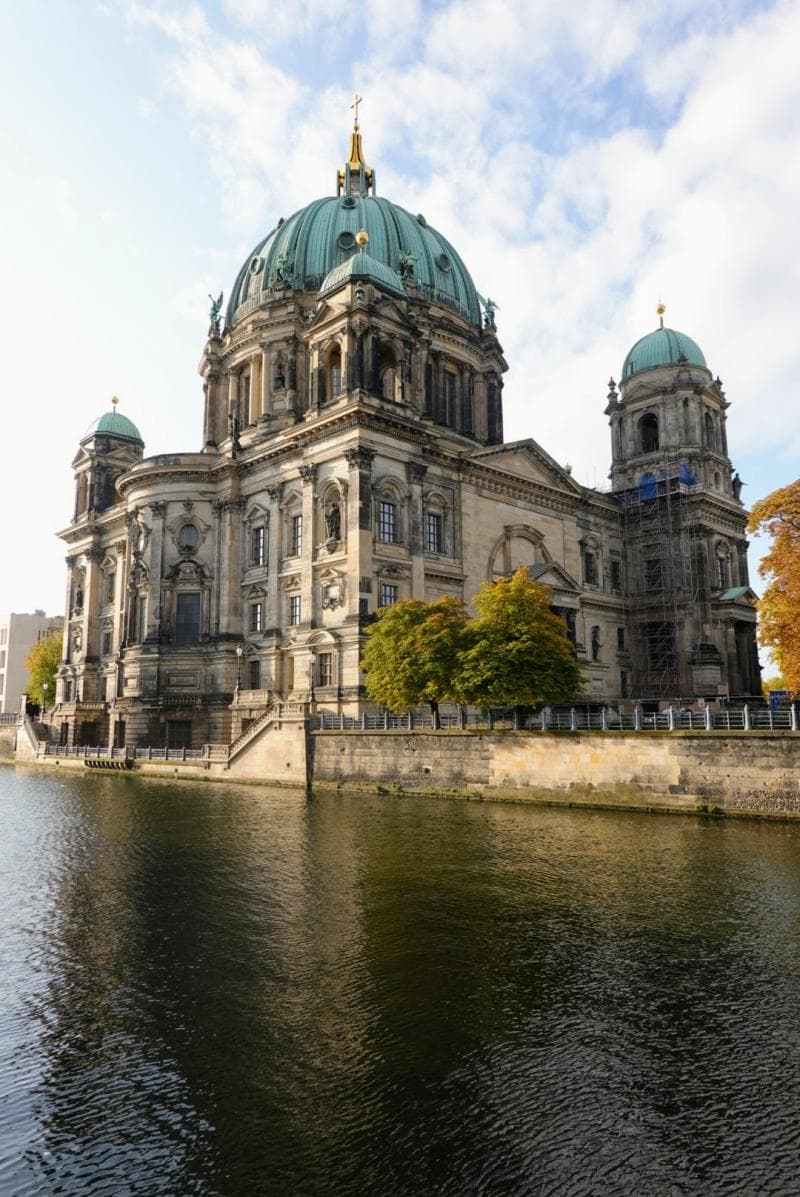
Explore the majestic Main Nave of Berlin Cathedral in Berlin, Germany. Discover its rich history, stunning Neo-Renaissance architecture, and intricate mosaics.
Overview
Step into the grandeur of Berlin Cathedral's Main Nave, a breathtaking central space that immediately conveys the sheer scale and intricate artistry of Germany's largest Protestant church. Located on Museum Island in the heart of Berlin, the Main Nave is a focal point of this monumental Neo-Renaissance and Baroque Revival masterpiece, completed in 1905. Dominated by a soaring dome, the nave draws the eye upward, immersing visitors in a world of lavish decoration and spiritual serenity. It serves not only as a place of worship but also as a significant cultural venue, hosting state ceremonies, concerts, and various events, truly embodying its status as a vital part of Berlin's rich heritage.
History & Cultural Background
The current Berlin Cathedral, and with it its magnificent Main Nave, stands as the culmination of centuries of religious and architectural evolution on this very site. Its origins trace back to a modest chapel in the 15th century, evolving through various iterations from a Baroque design by Johann Boumann to a Neoclassical transformation by Karl Friedrich Schinkel. However, the cathedral as we know it today was envisioned by Emperor Wilhelm II, who commissioned architect Julius Raschdorff to construct a grander edifice between 1894 and 1905. Wilhelm II's ambition was clear: to create a Protestant counterweight to Rome's St. Peter's Basilica, an imperial statement reflecting the power and prestige of the Hohenzollern dynasty.
This magnificent structure, including the Main Nave, suffered extensive damage during the Second World War. A firebomb reduced much of the interior, including the Main Nave and the Hohenzollern Crypt beneath it, to ruins. Reconstruction efforts, initially in a simplified form, began in 1975 in East Berlin. The exterior was completed by 1983, but the full interior restoration, meticulously bringing back the Main Nave's splendor, wasn't finalized until 2002, nearly a decade after German reunification.
What Makes It Special
The Main Nave of Berlin Cathedral is a spectacle of late 19th-century artistry and imperial ambition. Its most striking feature is undoubtedly the colossal dome, which majestically crowns the entire space, creating an overwhelming sense of awe and reverence. The interior is a lavish display of ornamental mosaics, glistening gold features, and impressive statues, all designed to make a grand statement. Eight intricate mosaics within the dome, crafted by Anton von Werner, beautifully depict the Beatitudes from the Sermon on the Mount, adding profound spiritual depth to the architectural marvel.
As you traverse the Main Nave, your gaze is drawn to remarkable works of art. The marble and onyx altar, designed by Friedrich August Stüler, stands as a central masterpiece. The exquisitely carved oak pulpit and the impressive pipe organ, boasting over 7,000 pipes, further enrich the sensory experience of this sacred space. The combination of Neo-Renaissance and Baroque styles, while ornate, creates a harmonious and symmetrical design that conveys both order and authority.
Stories, Fun Facts & Local Details
One of the most intriguing aspects of Berlin Cathedral is its very name; despite being universally known as a 'cathedral,' it has never technically been the seat of a bishop. It functions as a supreme parish and collegiate church, underscoring its unique historical and ecclesiastical role within German Protestantism. The ambition of Emperor Wilhelm II, who insisted on an opulent and grandiose design for the Main Nave and the entire church, was not merely religious but also a political statement, intended to rival the grandest Catholic churches in Europe.
The extensive and prolonged reconstruction of the Main Nave after WWII is a testament to the city's dedication to preserving its cultural heritage. For decades, the scarred interior stood as a stark reminder of the war, yet it was painstakingly brought back to its former glory, symbolizing Berlin's resilience and rebirth. The project, undertaken largely during the GDR era and completed after reunification, highlights a continuous commitment to this significant landmark.
Visitor Perspective
For the curious traveler, visiting the Main Nave of Berlin Cathedral is an immersive journey into history, art, and spirituality. The sheer scale of the nave and the intricate detail of its decoration are often cited as truly amazing. As you wander through this majestic space, an audio guide, typically included with admission, offers insightful commentary, enriching your understanding of the architecture, history, and significance of what you are seeing. You may even have the opportunity to sit quietly in the pews during a service, experiencing the Main Nave in its intended spiritual function, allowing for a moment of reflection amidst the historical grandeur. The overall impression is one of imperial splendor and meticulous artistry, making it a truly memorable destination in Berlin.
Coordinates: 13.40103, 52.51909
View on Google Maps💬 How Travelers Describe This Place
Based on community votes
Must See
797Unique
770Photogenic
583Interesting
477Beautiful
100
Traveler Stories
Discover memorable experiences shared by travelers who have visited this place.
No traveler stories yet.
Be the first traveler to share what made this place memorable.

Tour
By
Spot
Discover amazing places around the world. Your journey starts here.
Explore
© 2026 TourBySpot. All rights reserved.