Main Dome
Ashgabat, Turkmenistan
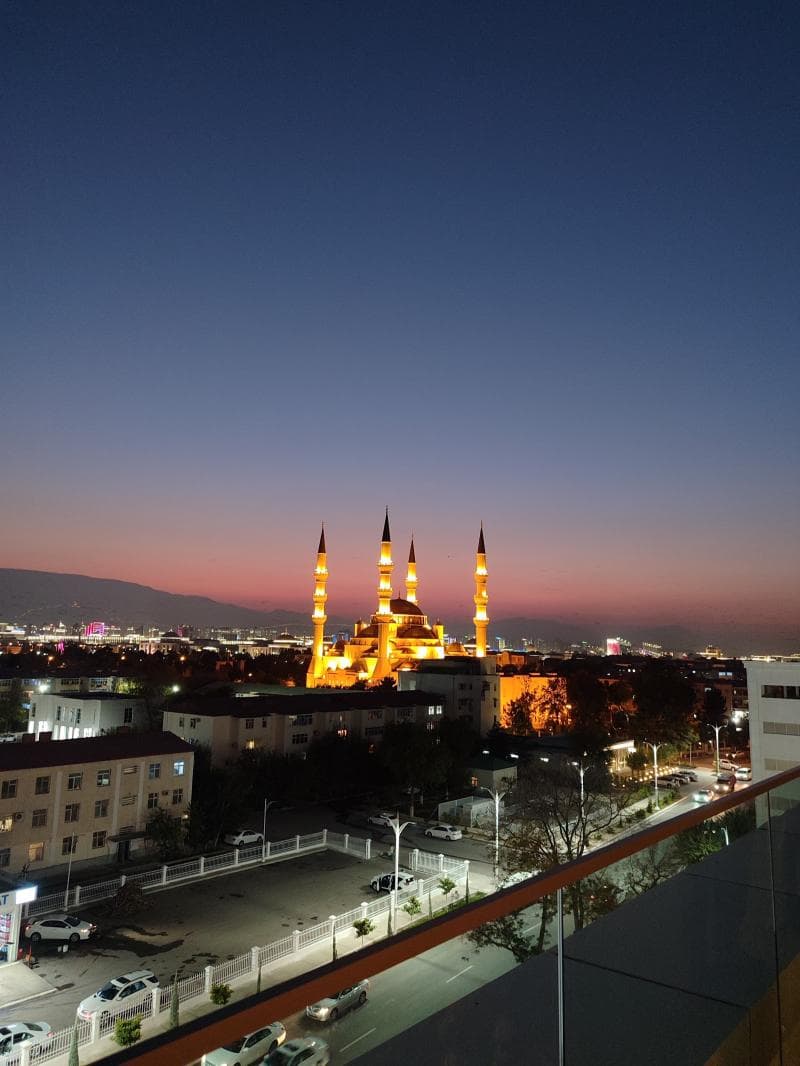
Explore the Main Dome of Ertuğrul Gazi Mosque in Ashgabat, Turkmenistan. Discover its stunning Ottoman architecture, intricate details, and rich history.
Overview
Nestled in the heart of Ashgabat, Turkmenistan's gleaming capital, stands the majestic Ertuğrul Gazi Mosque, often referred to as the Azadi Mosque or the Turkish Mosque. This architectural marvel is a prominent landmark, instantly recognizable by its dazzling white marble exterior, four towering minarets, and, most notably, its grand central dome. Inaugurated in 1998, the mosque was one of the first major religious structures built in the country following its independence, symbolizing a profound spiritual revival and freedom for the nation. Its design, drawing inspiration from classical Ottoman traditions, remarkably resembles Istanbul's iconic Blue Mosque, making it a significant representation of Turkic cultural and historical ties.
Capable of accommodating up to 5,000 worshippers, the Ertuğrul Gazi Mosque is not merely a place of prayer but a vibrant center of cultural and spiritual life in Ashgabat. Its presence adds a layer of serene beauty to the city's unique landscape, inviting both locals and international visitors to marvel at its intricate craftsmanship and peaceful ambiance. The central dome, an elegant crown atop the structure, serves as a focal point, drawing the eye upwards and establishing the mosque's graceful silhouette against the Turkmen sky.
History & Cultural Background
The genesis of the Ertuğrul Gazi Mosque is deeply intertwined with Turkmenistan's journey to independence. The idea for its construction emerged in 1992 during an official visit by then-Turkish Prime Minister Süleyman Demirel, cementing the strong diplomatic and cultural bonds between Turkmenistan and Turkey. The foundation stone was laid in January 1993, and five years later, in 1998, the mosque was officially opened, marking a significant milestone for the Muslim community in the region.
Named in honor of Ertuğrul Gazi, the revered father of Osman I, who founded the Ottoman Empire, the mosque stands as a testament to shared heritage and spiritual lineage. Turkish craftsmen meticulously supervised its construction, employing traditional techniques such as hand-assembling massive wooden doors without the use of a single nail—a remarkable feat of artistry and dedication. Over 160 tons of lead were utilized to protect the roof and domes, showcasing the scale and precision of the engineering involved in its creation.
What Makes It Special
The Ertuğrul Gazi Mosque's special appeal lies in its breathtaking blend of Islamic and Byzantine architectural styles, prominently featuring its magnificent central dome. The exterior, clad in pristine white marble, is adorned with intricate calligraphy and geometric patterns, creating a visually stunning facade. However, it is upon entering that the true grandeur unfolds. The interior of the mosque is a symphony of lavish decoration, with fine stained glass windows casting colorful light across the prayer halls. Elaborate paintings and gilded accents adorn the walls and ceilings, while hand-applied gilded words from the Quran add a sacred and artistic dimension.
The central dome, gracefully arching overhead, is not only an engineering marvel but also a canvas for exquisite artistry. Its interior is often richly decorated, drawing the gaze upward into a celestial vision of patterns and light, typical of grand Ottoman mosques. The combination of its impressive scale and the intricate details, from the seamless wooden doors to the vibrant stained glass, creates an atmosphere of profound beauty and spiritual reverence, distinguishing it as a true masterpiece of religious architecture.
Stories, Fun Facts & Local Details
Beyond its architectural splendor, the Ertuğrul Gazi Mosque holds a unique place in local folklore. During its construction, several accidental deaths occurred, which, according to some local beliefs, led to the mosque being considered 'cursed.' This intriguing, albeit somber, anecdote adds an air of mystery to its already captivating presence, becoming a part of the stories shared by local residents. Despite this, the mosque remains a highly revered site and a busy hub for the city's Muslim community.
The mosque is designed to accommodate a large congregation, with its spacious prayer hall capable of hosting 5,000 people simultaneously. Notably, the first floor is designated for men, while the second floor is reserved for women, ensuring a harmonious and respectful environment for all worshippers. The mosque also plays a crucial role in celebrating major Islamic holidays like Kurban Bayrami and Ramadan, drawing large crowds and fostering a strong sense of community and shared faith.
Visitor Perspective
Visiting the Ertuğrul Gazi Mosque offers a truly enriching experience for any traveler interested in culture, architecture, and spirituality. The serene ambiance inside, complemented by the beauty of the architecture, leaves a lasting impression on all who enter. Many visitors praise its beauty, cleanliness, and the peaceful atmosphere it provides for prayer and contemplation.
To fully appreciate the mosque's intricate details and enjoy its tranquility, it is often recommended to visit during early morning or late afternoon hours, when the natural light beautifully illuminates its white marble and stained glass. While non-Muslims are welcome, it is important to observe respectful conduct, dress modestly, and be mindful during prayer times. Taking the time to admire the craftsmanship, from the imposing central dome to the delicate interior decorations, provides a deeper understanding of Turkmenistan's rich cultural heritage and its enduring ties to Islamic art and tradition.
Coordinates: 58.398889, 37.933056
View on Google Maps💬 How Travelers Describe This Place
Based on community votes
Photogenic
886Unique
443Beautiful
310Must See
277Interesting
233
Traveler Stories
Discover memorable experiences shared by travelers who have visited this place.
No traveler stories yet.
Be the first traveler to share what made this place memorable.

Tour
By
Spot
Discover amazing places around the world. Your journey starts here.
Explore
© 2026 TourBySpot. All rights reserved.