Main Dome
Istanbul, Turkey
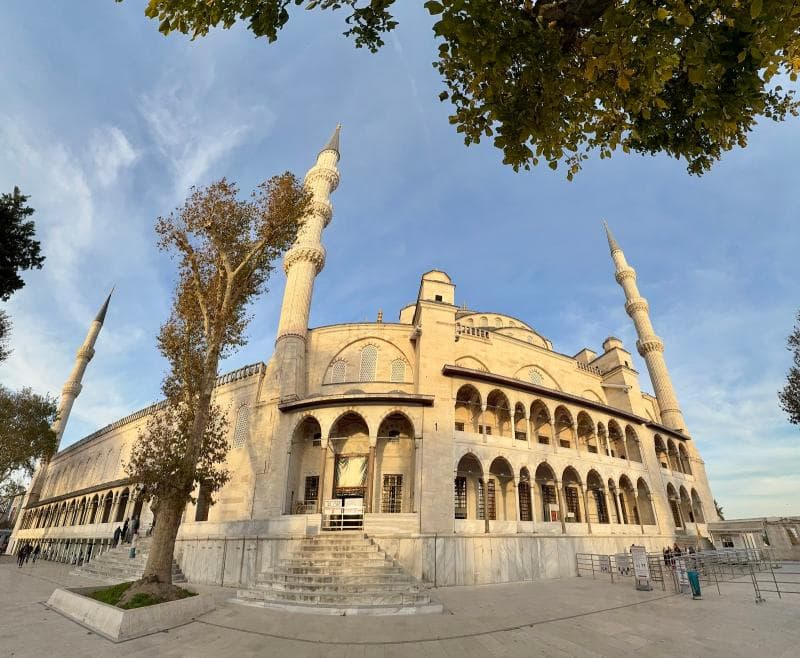
Discover the majestic Main Dome of Istanbul's Blue Mosque. Explore its stunning Ottoman architecture, intricate Iznik tiles, and profound history.
Overview
At the very heart of Istanbul's iconic Blue Mosque, officially known as the Sultan Ahmed Mosque, lies its magnificent Main Dome—a breathtaking testament to Ottoman architectural genius and spiritual grandeur. Standing prominently amidst a cascade of smaller domes and semi-domes, this central dome defines the mosque's interior space, drawing the eye upward with its immense scale and intricate artistry. It is not merely a structural element but the spiritual and visual focal point, enveloping visitors in an atmosphere of tranquility and awe. Its sheer size and stunning decoration make it an unforgettable element of this 17th-century masterpiece.
History & Cultural Background
The construction of the Blue Mosque, including its colossal Main Dome, was commissioned by the ambitious young Sultan Ahmed I. Built between 1609 and 1616, it was a monumental undertaking led by the architect Sedefkâr Mehmed Ağa, a student of the legendary Mimar Sinan. Sultan Ahmed I envisioned a mosque that would not only assert Ottoman power and piety but also rival the majesty of the nearby Hagia Sophia, which had been converted into a mosque after the conquest of Constantinople. The design of the Main Dome and its supporting structure represents a masterful synthesis of classical Ottoman architecture, drawing inspiration from its Byzantine predecessor while evolving into a distinctly Islamic aesthetic. It was a bold statement in a period where the empire sought to reaffirm its spiritual and imperial strength.
What Makes It Special
The Main Dome of the Blue Mosque is an engineering and artistic marvel. It soars to an impressive height of 43 meters (141 feet) and spans 23.5 meters (77 feet) in diameter. This immense structure is supported by four colossal, fluted pillars, affectionately known as 'elephant feet' due to their substantial size, each over five meters thick. The transition from the square prayer hall to the circular dome is achieved through a harmonious system of four semi-domes and smaller domes, creating a flowing, cascading effect that is both structurally sound and visually stunning. The dome's interior is a canvas of unparalleled beauty, adorned with exquisite Quranic calligraphy by Seyyid Kasim Gubari, one of the greatest calligraphers of his time. This sacred script, written in elegant Thuluth style, encircles the dome's apex, emphasizing divine verses. Furthermore, light streams in through approximately 260 stained-glass windows located throughout the mosque, casting an ethereal glow that highlights the more than 20,000 handmade Iznik ceramic tiles, predominantly blue and turquoise, that decorate the interior. These tiles, featuring intricate floral patterns like tulips and carnations, are largely responsible for the mosque's popular 'Blue' nickname.
Stories, Fun Facts & Local Details
Beyond its architectural brilliance, the Main Dome is rich with cultural and symbolic meaning. Its placement at the mosque's highest point is deeply symbolic, representing the vault of heaven and placing God's word at the zenith of the worship space. The mosque's popular name, the 'Blue Mosque', directly derives from the shimmering blue Iznik tiles that adorn much of its interior, including areas beneath the dome, creating a celestial atmosphere. A well-known anecdote, though debated by historians, surrounds the mosque's six minarets. Legend has it that Sultan Ahmed I requested 'altın minareler' (golden minarets), but the architect misheard 'altı minare' (six minarets). This caused controversy as only the Kaaba in Mecca traditionally had six, leading the Sultan to finance a seventh minaret for Mecca to restore its supremacy. While this story primarily concerns the minarets, it reflects the ambitious spirit and profound impact of the entire mosque's construction, of which the main dome is the crowning glory.
Visitor Perspective
Stepping beneath the Main Dome of the Blue Mosque is an immersive experience. As a curious traveler, one is immediately struck by the sheer volume of space it encompasses and the intricate artistry that unfolds above. Visitors invariably find themselves craning their necks, gazing upwards at the harmonious interplay of light, color, and calligraphy. The gentle, filtered light from the stained-glass windows illuminates the delicate patterns of the Iznik tiles and the golden script, creating a serene and almost otherworldly ambiance. It is a place that encourages quiet contemplation, offering a profound sense of connection to centuries of history, faith, and artistic endeavor. The dome stands as a powerful symbol, not just of Ottoman imperial ambition, but of the human capacity for creating spaces of immense beauty and spiritual resonance.
Coordinates: 28.9768247, 41.0053851
View on Google Maps💬 How Travelers Describe This Place
Based on community votes
Photogenic
898Unique
618Beautiful
449Interesting
308Must See
22
Traveler Stories
Discover memorable experiences shared by travelers who have visited this place.
No traveler stories yet.
Be the first traveler to share what made this place memorable.

Tour
By
Spot
Discover amazing places around the world. Your journey starts here.
Explore
© 2026 TourBySpot. All rights reserved.