Main Ceremonial Plaza
Cancún, Mexico
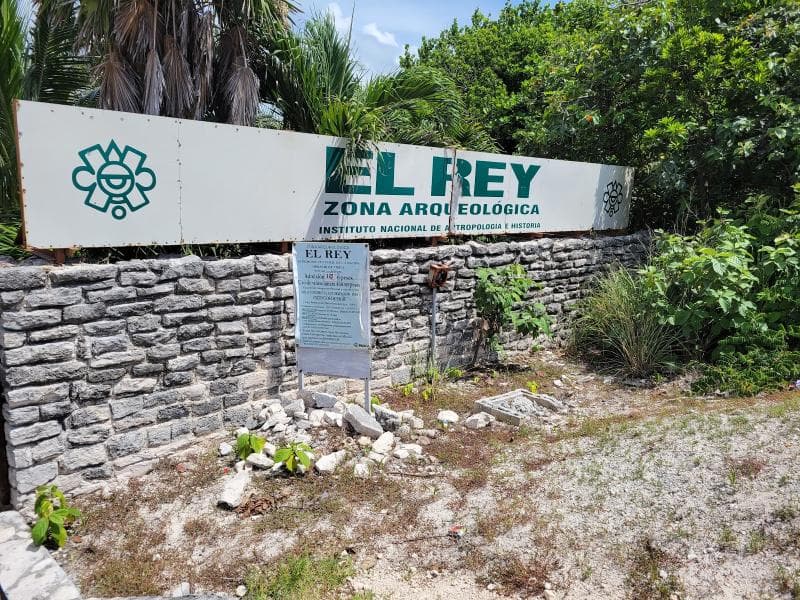

Explore the Main Ceremonial Plaza at El Rey Ruins in Cancún, Mexico, uncovering ancient Mayan history, trade, and culture.
Overview
Stepping into the Main Ceremonial Plaza within El Rey Ruins in Cancún, Mexico, is like traveling back in time to the heart of an ancient Mayan port city. Nestled subtly amidst the bustling Hotel Zone, these ruins offer a fascinating glimpse into a civilization that once thrived along the Caribbean coast. The Main Ceremonial Plaza served as the vibrant core of El Rey, a place where daily life, spiritual rituals, and significant gatherings unfolded. It's here that visitors can truly connect with the historical pulse of this significant archaeological site, experiencing a quieter, more intimate encounter with Mayan heritage than some of the region's grander, often crowded, destinations.
El Rey, meaning 'The King' in Spanish, comprises 47 structures, with the Main Ceremonial Plaza being a central feature, revealing the sophisticated urban planning of its ancient inhabitants. This area invites exploration, allowing a traveler to imagine the sounds and activities of a thriving pre-Columbian community, far removed from the modern resort city that now surrounds it. The plaza, with its prominent structures and open spaces, underscores El Rey's role not just as a settlement, but as a pivotal center for civic and ceremonial life.
History & Cultural Background
The history of El Rey stretches back to approximately 300 AD, beginning as a small settlement primarily inhabited by fishermen. Its strategic location on the island of Cancún, situated between the Caribbean Sea and the Nichupté Lagoon, was crucial for its development. Over centuries, particularly between 1200 and 1500 AD, El Rey blossomed into a significant trading port during the Late Postclassic period. This era saw a considerable influx of population from the interior of the Yucatán Peninsula, transforming El Rey into a key node in the elaborate Mayan coastal trade network.
The economy of El Rey revolved around the extraction and trade of salt, a vital commodity, and fishing. Evidence suggests that the inhabitants also engaged in a broader commercial exchange, with imported goods like basalt grinding stones, flint, obsidian, jade, and quartz beads found at the site. The architectural style visible today, known as the 'East Coast Style,' is characterized by its low-lying structures, single chambers, and flat roofs, akin to those found in other coastal sites like Tulum. The structures within the Main Ceremonial Plaza reflect this style, designed to support the community's administrative and religious functions. The site was ultimately abandoned following the arrival of the Spanish in the 16th century, as Mayan trade routes were disrupted and the local population dispersed inland.
What Makes It Special
The Main Ceremonial Plaza at El Rey stands out for its well-preserved, albeit modest, structures that offer direct insight into Mayan spiritual and governmental practices. Among its most notable features is Structure 2, often referred to as 'El Castillo' (The Castle), which served as a pyramid and temple complex. This central structure would have been the focal point for significant ceremonies and observations. Archaeologists have even discovered the burial site of a high-ranking individual, possibly a nobleman or lord, within this pyramid, complete with a copper axe and ritual ornaments.
Beyond its architectural significance, the plaza's enduring charm lies in its intimate scale and tranquil atmosphere, providing a stark contrast to the nearby modern resorts. Visitors can wander through the ancient spaces, observing the remnants of mural paintings that once adorned some of the buildings, depicting Mayan deities. The relatively fewer crowds allow for a more personal and contemplative experience, enabling travelers to truly absorb the historical ambiance and the stories etched into the stones.
Stories, Fun Facts & Local Details
The name 'El Rey' itself carries a fascinating story. It was bestowed upon the ruins after English travelers discovered an anthropomorphic sculpture in 1909, believed to depict a monarch or noble person. This 'king' sculpture is now a cherished artifact at the Cancún Mayan Museum, offering a tangible link to the site's namesake. While the original Mayan name remains unknown, some archaeologists speculate it might have been 'Kin Ich Ahau Bonil' ('king of the solar countenance') or even 'Cancuen' ('nest of snakes'), providing a whimsical insight into ancient naming conventions.
Perhaps one of the most delightful aspects of visiting the Main Ceremonial Plaza, and El Rey as a whole, is the presence of its unofficial residents: a thriving colony of iguanas. These vibrant reptiles can be seen basking on the ancient stones, seemingly guardians of the past, unafraid of human visitors. This unique coexistence of ancient history and lively nature adds a memorable and often amusing dimension to the archaeological experience, making it feel less like a static museum and more like a living, breathing connection to the past. The strategic location of El Rey, enabling its significant role in maritime trade, highlights the ingenuity and adaptability of the Mayan people.
Visitor Perspective
A visit to the Main Ceremonial Plaza and the wider El Rey Ruins is a manageable and enriching experience, ideal for those seeking a deeper understanding of Mayan culture without venturing far from Cancún's main attractions. Typically, exploring the entire site takes about one to two hours, making it a perfect half-day excursion.
To make the most of your visit, it is highly recommended to arrive in the morning. The earlier hours offer cooler temperatures, providing a more comfortable exploration and often a chance to experience the site with fewer people. Given the exposed nature of many structures, comfortable walking shoes, sunscreen, a hat, and plenty of water are essential. While there are no on-site museums at El Rey, the nearby Cancún Mayan Museum offers a wealth of context and artifacts, including the famous 'King' sculpture, enhancing the understanding gained from walking the grounds of the Main Ceremonial Plaza.
Coordinates: -87.781311, 20.061847
View on Google Maps💬 How Travelers Describe This Place
Based on community votes
Must See
965Interesting
743Photogenic
719Beautiful
629Unique
176
Traveler Stories
Discover memorable experiences shared by travelers who have visited this place.
No traveler stories yet.
Be the first traveler to share what made this place memorable.

Tour
By
Spot
Discover amazing places around the world. Your journey starts here.
Explore
© 2026 TourBySpot. All rights reserved.