Main Auditorium
Hanoi, Vietnam
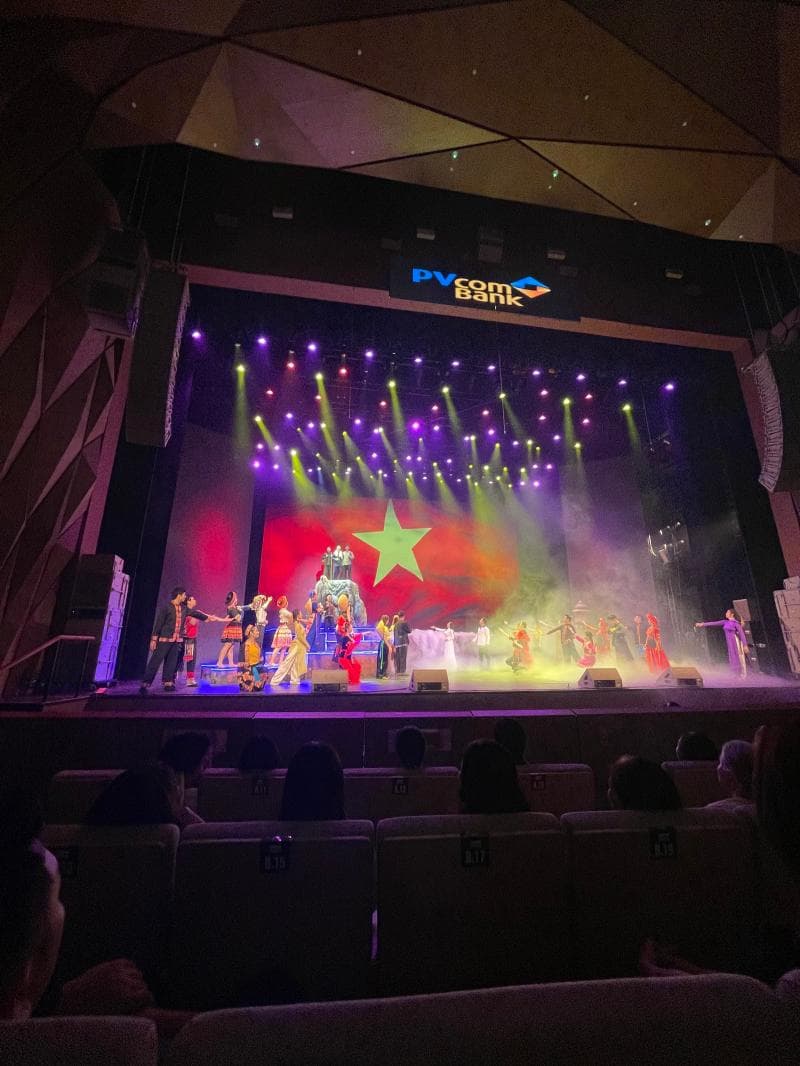
Explore the Main Auditorium of Hanoi Opera House, a French colonial masterpiece in Hanoi, Vietnam, renowned for its history, stunning architecture, and vibrant performances.
Overview
The Main Auditorium, nestled within the illustrious Hanoi Opera House in the heart of Hanoi, Vietnam, stands as a magnificent testament to French colonial architecture and enduring cultural grandeur. Completed in 1911, this iconic structure is one of Vietnam's largest and most historically significant theaters. Inspired by the opulent Palais Garnier in Paris, the Hanoi Opera House, and particularly its main performance hall, offers visitors a captivating glimpse into a bygone era while remaining a vibrant hub for the arts today. Its strategic location at 1 Trang Tien Street, Hoan Kiem District, places it conveniently close to other major Hanoi attractions, including Hoan Kiem Lake, making it an accessible and essential stop for any traveler seeking to immerse themselves in Hanoi's rich cultural tapestry.
Today, the Main Auditorium continues its legacy as a premier venue, hosting a diverse array of performances that range from classical opera, ballet, and symphonic concerts to traditional Vietnamese artistic expressions. With its plush interiors and remarkable acoustics, it provides an unforgettable setting for both world-class local and international productions. Exploring this architectural gem allows one to experience a unique blend of European elegance and Vietnamese cultural spirit.
History & Cultural Background
The story of the Main Auditorium is inextricably linked with Vietnam's colonial past and its journey to independence. Construction of the Hanoi Opera House commenced in 1901 under the French colonial administration and was officially inaugurated in 1911. French architects Broyer and Harlay, with later refinements by Francois Lagisquet, meticulously designed the building, drawing heavily from the architectural splendor of the Paris Opera House.
Initially, the opera house served as an exclusive cultural center for the French elite and affluent Vietnamese, introducing European performing arts to Indochina. However, its role transcended mere entertainment, evolving into a pivotal landmark during significant historical moments. Following Vietnam's declaration of independence, especially after the August Revolution in 1945, the Hanoi Opera House transformed into a symbol of national pride and a crucial political stage. It was within these very walls that the first National Assembly of the Democratic Republic of Vietnam convened in 1946, and President Ho Chi Minh himself made historic visits, solidifying its place in the nation's narrative. A major restoration effort between 1995 and 1997 meticulously preserved its architectural beauty and upgraded its facilities, ensuring its grandeur for future generations.
What Makes It Special
What truly sets the Main Auditorium apart is its exquisite architectural fusion and meticulous interior design. While predominantly French neoclassical, the building ingeniously incorporates elements from various styles, including Roman Ionic columns, Baroque-inspired curved balconies, and subtle Art Nouveau details, creating a harmonious and impressive whole. The exterior's striking yellow facade is characteristic of many colonial buildings, while the interior reveals a world of sophisticated detail.
Stepping inside, visitors are greeted by a grand entrance featuring a wide, T-shaped staircase paved with polished marble, leading to the main hall. The auditorium itself is typically horseshoe-shaped, a design choice known for providing excellent acoustics and sightlines, accommodating approximately 600 guests across its three tiers of seating. Plush red velvet seats, finely carved wooden balustrades, ornate ceiling moldings, and sparkling crystal chandeliers contribute to an atmosphere of refined elegance and historical resonance. The attention to both aesthetic grandeur and acoustic precision makes the Main Auditorium a premier space for diverse performances.
Stories, Fun Facts & Local Details
The Hanoi Opera House, with its Main Auditorium, is affectionately known by some as 'Opéra Garnier Paris in miniature,' a testament to its inspirational design and grandeur. Interestingly, some admirers even contend that its interior aesthetics surpass those of its Parisian muse, a delightful point of local pride. Beyond its architectural beauty, the opera house holds numerous tales of historical significance.
It was on the steps of this very building, during the August Revolution of 1945, that a pivotal mass meeting took place, marking a critical turning point in Vietnam's fight for independence. The surrounding August Revolution Square also bears witness to this momentous past. Today, the auditorium's stage welcomes a fascinating mix of performances, bridging cultural divides by presenting not only Western classical works but also traditional Vietnamese folk music, plays, and ballets, reflecting the nation's rich artistic heritage. This blend of historical depth and ongoing cultural vitality ensures that the Main Auditorium is not merely a structure but a living, breathing part of Hanoi's story.
Visitor Perspective
For the curious traveler, experiencing the Main Auditorium offers more than just a performance; it is an immersive journey into Hanoi's cultural and historical soul. Guided tours are regularly available, providing unique access to the building's lavish interiors, including the grand foyer, the historic Mirror Room, and, of course, the magnificent Main Auditorium itself. These tours offer a deep dive into the building's French influences, its unique decor, and the significant role it has played throughout history.
While attending an evening performance provides the full grandeur of the venue, visitors can also choose to simply explore the architecture during a daytime tour. It is advisable to check schedules and book tickets in advance, especially for popular shows. For those attending evening performances, a smart casual to formal dress code is recommended to respect the venue's elegant atmosphere. Its central location makes it highly accessible, easily reachable from popular areas like Hoan Kiem Lake, allowing for a seamless integration into any Hanoi itinerary.
Coordinates: 105.85783, 21.02419
View on Google Maps💬 How Travelers Describe This Place
Based on community votes
Photogenic
982Beautiful
903Must See
481Unique
458Interesting
197
Traveler Stories
Discover memorable experiences shared by travelers who have visited this place.
No traveler stories yet.
Be the first traveler to share what made this place memorable.

Tour
By
Spot
Discover amazing places around the world. Your journey starts here.
Explore
© 2026 TourBySpot. All rights reserved.