Maha Bodhi Tree
Yangon, Myanmar
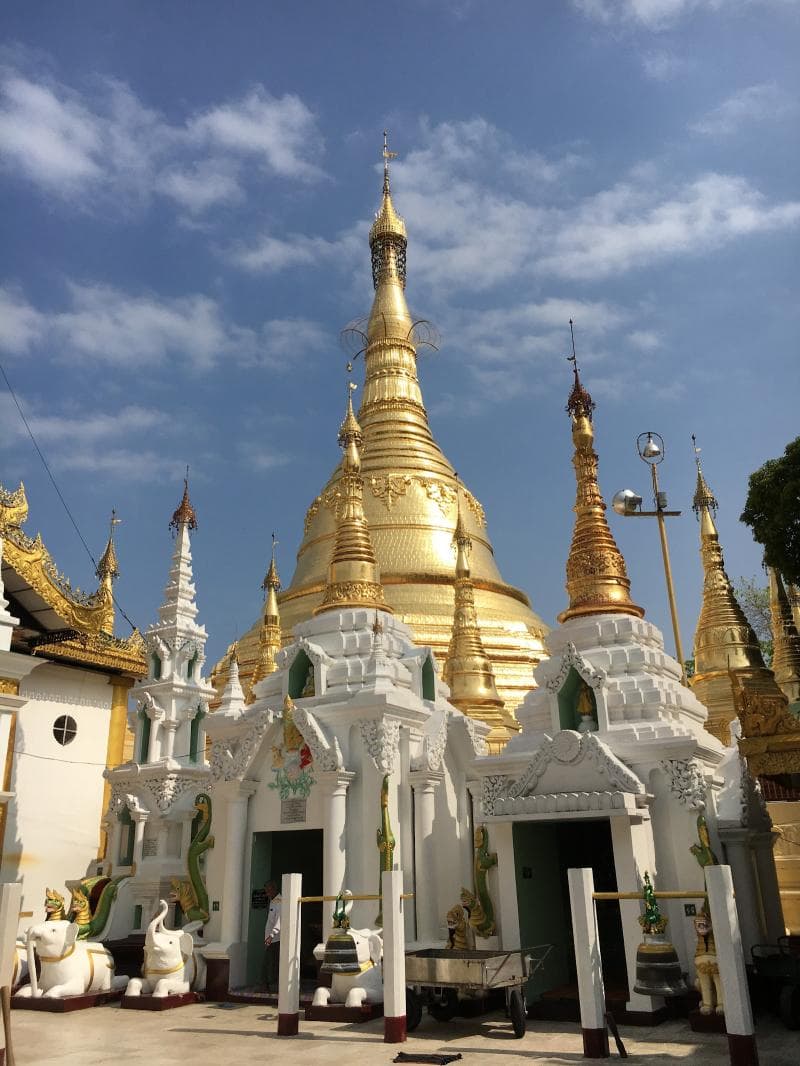
Discover the sacred Maha Bodhi Tree at Shwedagon Pagoda in Yangon, Myanmar, a living link to Buddha's enlightenment and a place of profound peace.
Overview
Within the sacred grounds of the Shwedagon Pagoda in Yangon, Myanmar, lies a poignant symbol of Buddhist enlightenment: the Maha Bodhi Tree. This revered tree is not merely a botanical specimen but a direct descendant of the legendary Bodhi Tree in Bodh Gaya, India, under which Siddhartha Gautama attained supreme enlightenment, becoming the Buddha. It serves as a living, breathing connection to the very origins of Buddhism, offering pilgrims and visitors a tangible link to that pivotal moment in spiritual history. Its presence imbues the already magnificent pagoda complex with an even deeper layer of spiritual significance and tranquility, inviting quiet contemplation amidst the golden splendor.
History & Cultural Background
The story of the Bodhi Tree begins over 2,500 years ago in Bodh Gaya, India, where Prince Siddhartha Gautama meditated beneath a sacred fig tree (Ficus religiosa) and achieved 'Bodhi,' or enlightenment. This original tree became known as the Bodhi Tree, the 'Tree of Awakening,' and holds unparalleled importance in Buddhist tradition. Cuttings from this original tree, or its subsequent descendants, have been carefully propagated and planted in significant Buddhist sites across the world, extending its spiritual lineage. The Maha Bodhi Tree at Shwedagon Pagoda is one such esteemed descendant, believed to have grown from a seed or cutting brought from India. Its estimated age varies, with some sources mentioning it as a 150-year-old tree within the pagoda complex, while others speak more broadly of 'hundreds of Bodhi Trees' that are descendants of the original. The very act of planting and tending to these trees is a testament to the enduring devotion of Buddhists and their desire to maintain a continuous, living connection to the Buddha's path to awakening.
The Shwedagon Pagoda itself boasts a rich history, with legends placing its origins over 2,500 years ago. It is believed to enshrine sacred relics of the four previous Buddhas, including eight strands of hair from Gautama Buddha, making it the most sacred Buddhist site in Myanmar. The presence of the Maha Bodhi Tree within this ancient and revered complex reinforces the pagoda's status as a central pillar of Buddhist faith and culture in Myanmar.
What Makes It Special
The Maha Bodhi Tree at Shwedagon Pagoda is special primarily due to its spiritual ancestry. It represents a direct, living link to the historical Buddha's enlightenment, a moment that fundamentally shaped the course of human spirituality. For many, standing beneath its branches evokes a profound sense of connection to the Buddha's journey and his teachings. The tree symbolizes wisdom, liberation from suffering, and the potential for awakening within every individual.
Furthermore, its location within the awe-inspiring Shwedagon Pagoda enhances its mystique. Surrounded by the glittering golden stupa, numerous shrines, and the constant murmur of prayers and offerings, the Maha Bodhi Tree stands as a serene, organic counterpoint to the man-made grandeur. It serves as a tranquil spot for meditation and reflection, offering shade and a sense of enduring peace to those who seek it. The tree's presence transforms the space into more than just a magnificent monument; it becomes a vibrant, living spiritual ecosystem where ancient history, profound faith, and natural beauty converge.
Stories, Fun Facts & Local Details
One of the most cherished local practices connected to the Bodhi Trees at Shwedagon is the Kason Festival. During this significant occasion, devotees ritually water the sacred Bodhi trees. This act is considered a highly meritorious deed, symbolizing reverence for the Buddha's enlightenment and emphasizing the importance of virtuous actions and religious observance. It's a serene yet deeply meaningful festival that highlights the tree's role in ongoing Buddhist practice.
While the original Bodhi Tree in Bodh Gaya has seen its cycles of life and death, with descendants continually nurtured, the trees found at Shwedagon carry forward this unbroken lineage. The act of propagating and protecting these trees underscores a profound respect for continuity and tradition in Buddhism. Visitors often spend time sitting under the tree's shade, meditating or simply absorbing the peaceful atmosphere, mindful of its profound significance. It is not uncommon to see monks and pilgrims offering prayers and flowers at its base, reinforcing its status as a living shrine. The south-east corner of the pagoda terrace is specifically noted for housing a sacred Bodhi tree, making it a focal point for such devotion.
Visitor Perspective
Visiting the Maha Bodhi Tree within the Shwedagon Pagoda is an experience that transcends typical sightseeing. To fully appreciate its significance, travelers should approach it with respect and an open mind. The Shwedagon Pagoda itself is open daily from 4 AM to 10 PM, with the last admission at 9:45 PM. It's advisable to visit in the early morning or late afternoon to avoid the heat and to witness the pagoda's golden surfaces glow under different light conditions.
As with all sacred sites in Myanmar, modest dress is required: knees and shoulders must be covered, and all visitors are expected to enter the pagoda complex barefoot. This tradition of removing footwear is a sign of reverence and connects you directly to the millions of pilgrims who have trod these same paths for centuries. While exploring the vast complex, take a moment to pause at the Maha Bodhi Tree. Observe the quiet devotion of locals, feel the breeze rustling through its leaves, and reflect on the deep historical and spiritual currents it represents. The atmosphere around the tree is often one of tranquility, providing a stark contrast to the vibrant activity found elsewhere on the pagoda platform. It’s a moment to connect with a timeless spiritual legacy in the heart of Yangon. The entrance fee for foreign visitors is typically 10,000 MMK, payable in cash.
Coordinates: 96.143, 16.7924
View on Google Maps💬 How Travelers Describe This Place
Based on community votes
Unique
934Must See
879Beautiful
741Interesting
276Photogenic
30
Traveler Stories
Discover memorable experiences shared by travelers who have visited this place.
No traveler stories yet.
Be the first traveler to share what made this place memorable.

Tour
By
Spot
Discover amazing places around the world. Your journey starts here.
Explore
© 2026 TourBySpot. All rights reserved.