Lustgarten
Berlin, Germany
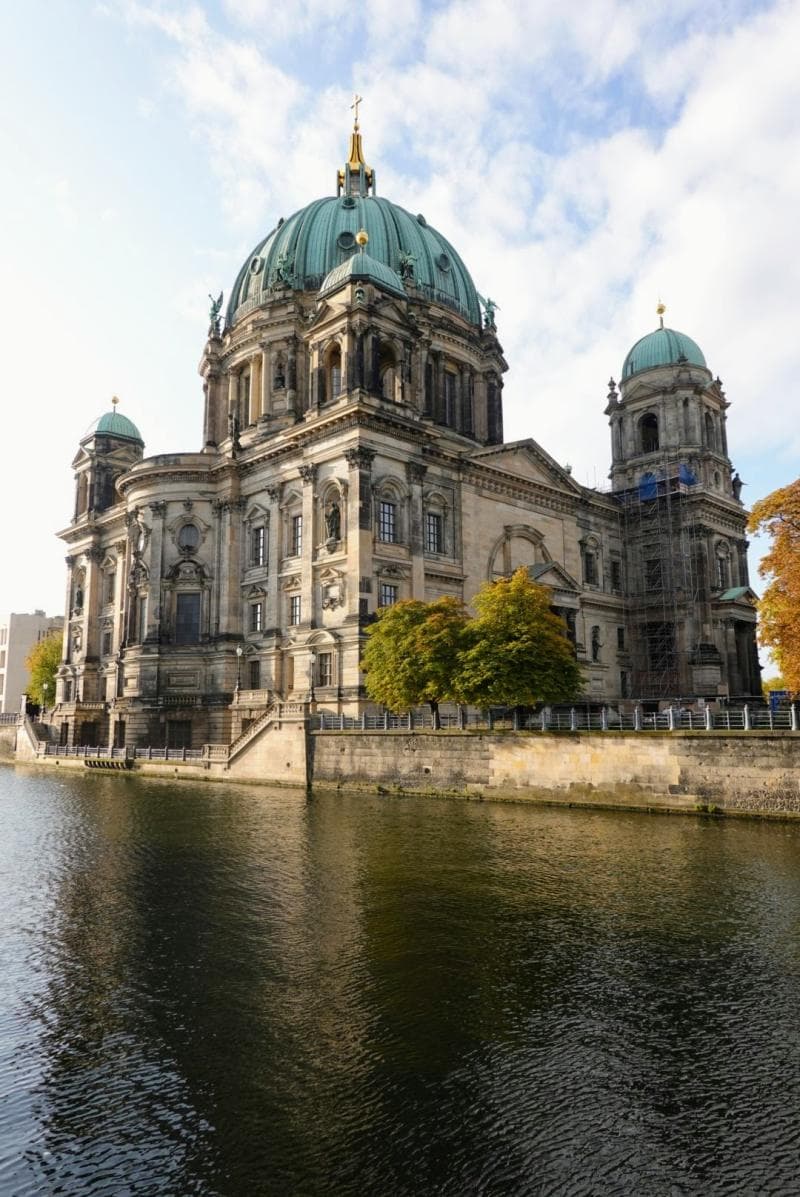
Explore Lustgarten, the historic pleasure garden next to Berlin Cathedral on Museum Island. Discover centuries of history in the heart of Berlin, Germany.
Overview
Nestled in the historical heart of Berlin, Germany, the Lustgarten is a picturesque park situated directly in front of the magnificent Berlin Cathedral. This central green space on Museum Island serves as a tranquil oasis amidst some of the city's most significant cultural landmarks. Today, it invites visitors to relax, reflect, and enjoy sweeping views of the surrounding architectural marvels, offering a pause in the bustling urban landscape.
History & Cultural Background
The story of the Lustgarten is a compelling narrative of transformation, mirroring Berlin's own tumultuous past. Its origins date back to 1573, when Elector Johann Georg established it as a humble kitchen garden for the adjacent Berlin Palace, growing fruits and herbs, and even some of the first potatoes in Prussia.
Following the devastation of the Thirty Years' War, the Great Elector, Friedrich Wilhelm, and his wife, Luise Henriette of Nassau, reimagined the garden. In 1646, with the help of a military engineer and a landscape gardener, it was converted into a formal 'pleasure garden' (Lustgarten in German), featuring fountains and geometric paths, reflecting Dutch gardening styles.
However, its fate shifted dramatically in 1713 when Friedrich Wilhelm I ascended to the throne. Prioritizing military might, he transformed the elegant garden into a sand-covered parade ground. It was not until 1790 that Friedrich Wilhelm II ordered its reversion to a park-like setting. The early 19th century brought further artistic refinement, with Karl Friedrich Schinkel designing the Altes Museum at its northern end, and landscape architect Peter Joseph Lenné meticulously redesigning the Lustgarten between 1826 and 1829, introducing formal paths and multiple lawn sectors.
The 20th century saw the Lustgarten become a stage for political events. During the Weimar Republic, it frequently hosted large political demonstrations by socialists and communists. Under Nazi rule, the park was controversially paved over for mass rallies and parades, losing its greenery and symbolic granite bowl. After World War II, under East German leadership, it was renamed Marx-Engels-Platz and continued to serve as a venue for state-sponsored rallies, only regaining its original name and green character after German reunification in the late 1990s.
What Makes It Special
The Lustgarten's unique appeal lies in its ever-changing character and its prominent position as a cultural and historical nexus. Its current design, largely a result of the late 20th-century restoration, harks back to its 19th-century elegance, featuring inviting lawns, refreshing fountains, and carefully arranged paths.
Central to its charm is the massive granite bowl, a truly remarkable piece of craftsmanship. Weighing 70 tons and made from a single stone, it was transported to Berlin via the Spree River in 1828. This impressive basin, designed by Karl Friedrich Schinkel, stands as a testament to the era's ambition and engineering prowess.
Moreover, the Lustgarten is surrounded by an unparalleled ensemble of architectural masterpieces: the Berlin Cathedral to the east, the Altes Museum to the north, and the reconstructed Berlin Palace (Humboldt Forum) to the south. This makes it a crucial vantage point for appreciating Berlin's layered history and artistic heritage.
Stories, Fun Facts & Local Details
- The 'Berlin Soup Bowl': The colossal granite bowl in the Lustgarten earned the affectionate nickname 'Berliner Suppenschüssel' (Berlin soup bowl) from locals due to its immense size. It's said that during its inauguration in 1834, about 40 people could comfortably sit inside it!
- First Potatoes in Prussia: Believe it or not, the Lustgarten was one of the first places in Prussia where potatoes were cultivated. Initially, they were grown not for consumption but as exotic decorative plants!
- A Stage for History: The park's open layout made it a natural gathering place, leading to its extensive use for political demonstrations. From communist rallies in the Weimar Republic to Nazi parades and East German state events, the ground beneath your feet has witnessed pivotal moments in German history.
- The Meaning of the Name: The name 'Lustgarten' literally translates to 'Pleasure Garden,' reflecting its original intent as a place for enjoyment, recreation, and leisurely strolls for the royal court.
Visitor Perspective
Today, the Lustgarten offers a welcoming respite for travelers exploring Berlin's cultural treasures. After delving into the rich collections of the Altes Museum or marveling at the grandeur of the Berlin Cathedral, many visitors find themselves drawn to the park's expansive lawns to simply sit, people-watch, and absorb the historical atmosphere.
It's a perfect spot for a picnic, a leisurely walk, or simply to take a moment of quiet contemplation before continuing your exploration of Museum Island and beyond. The open green space provides an excellent foreground for photographs of the Berlin Cathedral and the Altes Museum, capturing both natural beauty and architectural splendor. It serves as an accessible and integral part of the Museum Island experience, inviting everyone to connect with Berlin's vibrant past and present.
Coordinates: 13.39972, 52.51861
View on Google Maps💬 How Travelers Describe This Place
Based on community votes
Photogenic
794Must See
636Unique
466Interesting
155Beautiful
134
Traveler Stories
Discover memorable experiences shared by travelers who have visited this place.
No traveler stories yet.
Be the first traveler to share what made this place memorable.

Tour
By
Spot
Discover amazing places around the world. Your journey starts here.
Explore
© 2026 TourBySpot. All rights reserved.