Lower Belvedere
Vienna, Austria
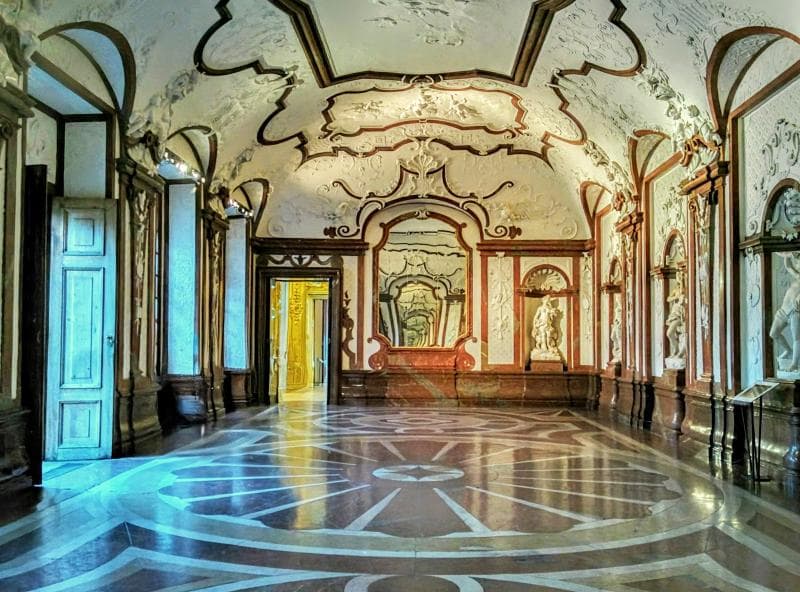
Discover the Lower Belvedere in Vienna, Austria: a Baroque palace and art venue known for its stunning architecture and temporary exhibitions.
Overview
The Lower Belvedere, nestled within the magnificent Belvedere Palace complex in Vienna, Austria, offers a captivating journey into Baroque splendor and artistic exploration. Originally conceived as the residential palace for Prince Eugene of Savoy, a celebrated military commander and art connoisseur, it stands as a testament to 18th-century opulence and architectural brilliance. Unlike its grander counterpart, the Upper Belvedere, which served primarily for representation, the Lower Belvedere was designed for more intimate living and receiving esteemed guests. Today, this Baroque jewel is a dynamic cultural venue, primarily hosting world-class temporary art exhibitions and showcasing medieval art in its former stables.
Its harmonious proportions and elaborate facade, designed by Johann Lukas von Hildebrandt, are characteristic of the Baroque style. Visitors to the Lower Belvedere can explore sumptuously preserved state rooms, including the two-story Marble Hall, the exquisite Marble Gallery, and the fascinating Hall of Grotesques. The palace is seamlessly integrated with the renowned Belvedere Gardens, a UNESCO World Heritage site, which connect the Lower and Upper Belvedere with their symmetrical parterres, fountains, and sculptures.
History & Cultural Background
The construction of the Lower Belvedere began in 1712 and was largely completed by 1716, preceding the Upper Belvedere. Prince Eugene of Savoy commissioned its design from the esteemed architect Johann Lukas von Hildebrandt, aiming for a summer residence that reflected his wealth, power, and sophisticated taste. The palace was not just a home but a statement, embodying the grandeur of the Baroque era following Prince Eugene's successful campaigns against the Ottoman Empire.
After Prince Eugene's death, Empress Maria Theresa acquired the entire complex. Over time, the Lower Belvedere adapted to various roles. In 1903, it opened as the Moderne Galerie, becoming Austria's first state collection devoted to modern art, aiming to present Austrian art in an international dialogue. Although the main imperial collections later moved to the Kunsthistorisches Museum, the Lower Belvedere continued its legacy as an exhibition space. Today, it maintains its importance as a center for art and culture, continually evolving while preserving its historical integrity.
What Makes It Special
What truly sets the Lower Belvedere apart is its unique blend of lavish Baroque residential architecture and its contemporary function as a premier exhibition space. Unlike many historical palaces that focus solely on their original historical context, the Lower Belvedere breathes new life into its magnificent halls by hosting a rotating calendar of significant art exhibitions. This dynamic approach allows visitors to experience art in an unparalleled historical setting, bridging centuries of cultural expression.
The preserved Baroque state rooms are a highlight in themselves. The Marble Hall, with its impressive ceiling frescoes and elaborate marble statues, served as a grand reception area. The Marble Gallery, adorned with magnificent marble, reflects the splendor of the period. The Hall of Grotesques, with its artistic ceiling paintings and stucco decorations, showcases the playful and imaginative side of Baroque design. These rooms provide an authentic glimpse into the private world of 18th-century Austrian nobility, offering an intimate contrast to the more public, ceremonial spaces of the Upper Belvedere.
Stories, Fun Facts & Local Details
Prince Eugene, who owned the Belvedere complex, was not only a military genius but also a passionate art collector and a man of refined taste. It's said that he applied the same principle to his palaces as one might to crockery: a set for daily use (Lower Belvedere) and another for special guests (Upper Belvedere). While the Upper Belvedere was purely representational, the Lower Belvedere served as his actual, albeit incredibly luxurious, residence.
A notable feature is the Gold Cabinet. Originally Prince Eugene's bedchamber, it was later refitted under Maria Theresa's era with gilded, mirror-lined wall panels. These panels feature allegories of the four continents—Europe, Asia, America, and Africa—reflecting 18th-century European worldviews. The Baroque Gardens connecting the two palaces were designed by Dominique Girard, a pupil of André Le Nôtre, the renowned landscape architect of Versailles, bringing a touch of French garden artistry to Vienna. Even today, the gardens are free to enter and offer a beautiful stroll between the two palaces.
Visitor Perspective
For a curious traveler, the Lower Belvedere offers a distinct and enriching experience. While the Upper Belvedere draws crowds for its permanent collection, including Gustav Klimt's 'The Kiss,' the Lower Belvedere provides a more focused and often less crowded opportunity to delve into specific artistic themes and periods through its temporary exhibitions. The intimate scale of its historic rooms, such as the Marble Hall and the Hall of Grotesques, allows for a closer appreciation of Baroque artistry and craftsmanship.
Exploring the Lower Belvedere also often includes access to the Orangery and the Palace Stables, which have been ingeniously converted into additional exhibition spaces, with the stables often housing the Belvedere's collection of medieval art. The peaceful Chamber Garden (Kammergarten) adjacent to the Lower Belvedere provides a beautiful, serene spot, particularly vibrant with flowers in summer. A visit here is best enjoyed with ample time to explore the exhibitions thoughtfully and to soak in the atmosphere of the historic state rooms, offering a memorable cultural immersion in Vienna.
Coordinates: 16.379872, 48.196576
View on Google Maps💬 How Travelers Describe This Place
Based on community votes
Unique
958Must See
743Photogenic
728Beautiful
719Interesting
382
Traveler Stories
Discover memorable experiences shared by travelers who have visited this place.
No traveler stories yet.
Be the first traveler to share what made this place memorable.

Tour
By
Spot
Discover amazing places around the world. Your journey starts here.
Explore
© 2026 TourBySpot. All rights reserved.