Lotus Pond
Bali, Indonesia
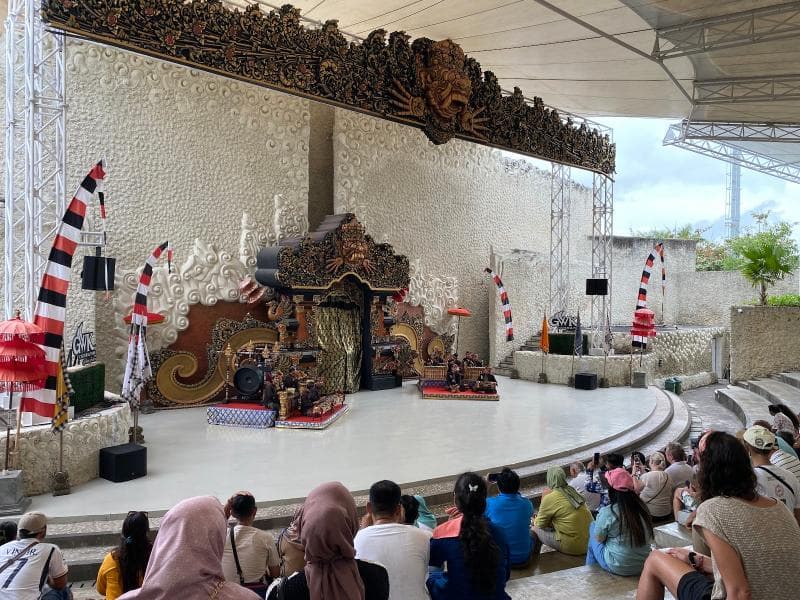
Discover Lotus Pond at Garuda Wisnu Kencana Cultural Park, Bali, Indonesia. Explore this vast outdoor venue for culture, events, and iconic views.
Overview
Nestled within the expansive Garuda Wisnu Kencana Cultural Park (GWK) in Ungasan, Bali, Indonesia, the Lotus Pond stands as a remarkable open-air venue. It is the largest outdoor plaza within the park, serving as a dynamic space for a multitude of cultural events, grand concerts, and significant international gatherings.
This impressive area is characterized by a wide, stone-paved expanse dramatically framed by towering limestone walls, often referred to as the 'GWK walls,' which evoke the feeling of ancient, majestic cliffs. From various points across the Lotus Pond, visitors are treated to breathtaking vistas of the colossal Garuda Wisnu Kencana statue, majestically rising in the distance, providing an iconic backdrop for photographs and live performances. Access to the Lotus Pond is seamlessly included with a general entrance ticket to the GWK Cultural Park, making it an integral part of the visitor's journey through this cultural landmark.
History & Cultural Background
The entire Garuda Wisnu Kencana Cultural Park is a profound dedication to the Hindu god Vishnu and his mythical mount, Garuda, deeply embedding the site in Balinese spiritual heritage. The design of the Lotus Pond is not merely functional; it is imbued with spiritual significance, serving as a metaphor for the revered lotus flower. In Hindu cosmology, the lotus symbolizes purity, beauty, and spiritual awakening, famously blooming untainted from murky waters, representing the triumph of purity over chaos.
The towering limestone walls that define the Lotus Pond are remnants of an old quarry, deliberately preserved by the park's architects to create striking, canyon-like corridors that add to the site's unique aesthetic. The ambitious vision for the monumental Garuda Wisnu Kencana statue, which overlooks the Lotus Pond, was conceived in 1989 by the renowned Balinese sculptor Nyoman Nuarta. While its construction faced considerable delays, the awe-inspiring statue was finally completed and inaugurated in 2018, fulfilling a decades-long dream to create a powerful cultural icon for Indonesia.
What Makes It Special
The Lotus Pond distinguishes itself as the largest outdoor venue in Bali, boasting an impressive capacity to host between 7,000 and 7,500 people, making it an ideal location for events of monumental scale. Its most striking feature is the natural amphitheater created by the surrounding limestone cliffs, which not only provide a dramatic visual spectacle but also contribute to exceptional acoustics, enhancing any performance held within its confines.
This grand plaza has been the chosen stage for a diverse array of significant gatherings, ranging from international music festivals like the Djakarta Warehouse Project (DWP) to pivotal political events such as the welcoming dinner for the G20 Summit, and revered cultural showcases like the Bali Arts Festival. In the evenings, the Lotus Pond truly comes alive, frequently hosting traditional Balinese cultural performances, including the captivating Kecak dance, where thousands of spectators gather to witness the island's rich artistic heritage. The panoramic views of the Garuda Wisnu Kencana statue from the Lotus Pond, particularly as the sun sets and the statue is illuminated, offer an unforgettable and iconic experience.
Stories, Fun Facts & Local Details
The lotus flower holds profound symbolism in Hinduism, representing purity, divine beauty, and spiritual enlightenment, emerging spotless from the depths – a powerful metaphor for the soul's journey. The Kecak dance performed at the Lotus Pond can sometimes offer a unique narrative, occasionally depicting the mythological story behind the GWK statue itself, rather than the more commonly known Ramayana epic, adding a layer of contemporary relevance to a traditional art form.
A fascinating detail of the Lotus Pond's construction is that every single stone used in its perimeter was carefully quarried from the very limestone cliffs that enclose it, thus deeply grounding the venue in Bali's geological and historical landscape. The towering Garuda Wisnu Kencana statue, a constant presence above the Lotus Pond, embodies a timeless Hindu mythological tale: Garuda's selfless quest for Amrita, the elixir of life, to liberate his enslaved mother, symbolizing devotion and sacrifice. Furthermore, the elevated location of GWK Cultural Park offers stunning panoramic views that encompass Ngurah Rai International Airport, the vast Indian Ocean, and much of southern Bali, providing visitors with a sweeping perspective of the island.
Visitor Perspective
For the curious traveler, exploring the Lotus Pond is an essential part of any visit to Garuda Wisnu Kencana Cultural Park. It can be easily integrated into a leisurely walking tour of the park. The area is a photographer's dream, offering exceptional opportunities for capturing stunning images, especially during the 'golden hour' at sunset and into the night when the magnificent GWK statue glows against the dark sky.
Attending one of the many cultural performances held here is a highly recommended experience, providing an immersive glimpse into Bali's vibrant artistic and spiritual traditions. The atmosphere undergoes a magical transformation as dusk settles, with the statue illuminated and the plaza often filled with the sounds and sights of traditional dance and music. While a relaxed stroll and photo opportunities might take 15-30 minutes, visitors planning to attend an event or show should allocate significantly more time to fully appreciate the experience. For those wishing to cover the vast expanse of the park more efficiently, options like Segway or bicycle rentals are sometimes available near the Lotus Pond plaza.
Coordinates: 115.168, -8.81
View on Google Maps💬 How Travelers Describe This Place
Based on community votes
Photogenic
953Unique
695Beautiful
396Must See
286Interesting
22
Traveler Stories
Discover memorable experiences shared by travelers who have visited this place.
No traveler stories yet.
Be the first traveler to share what made this place memorable.

Tour
By
Spot
Discover amazing places around the world. Your journey starts here.
Explore
© 2026 TourBySpot. All rights reserved.