Longchamp Park
Marseille, France
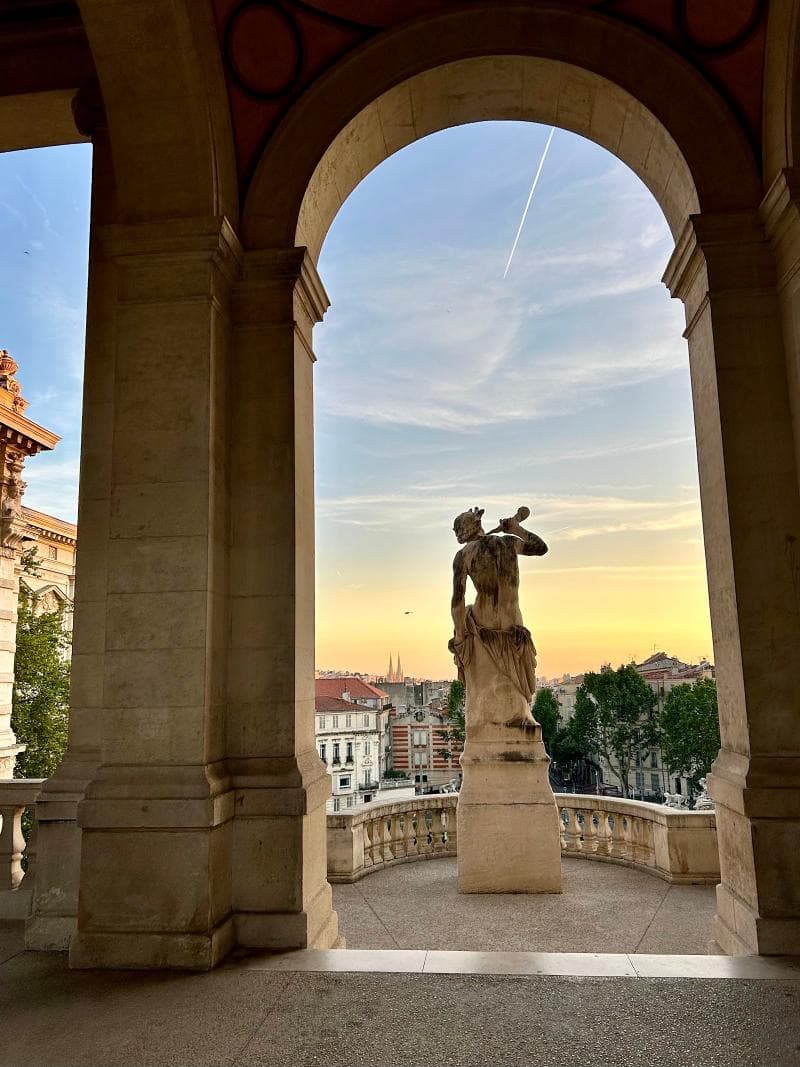
Explore Longchamp Park, a historic oasis within Palais Longchamp in Marseille, France. Discover monumental fountains, lush gardens, and museums. A tribute to water.
Overview
Nestled in the vibrant heart of Marseille, France, Longchamp Park offers a verdant escape within the grand Palais Longchamp, a monument dedicated to a triumph of engineering and the life-giving essence of water. This expansive green space is far more than just a park; it is an integral part of a majestic 19th-century complex that seamlessly blends neoclassical architecture with lush gardens. Visitors are invited to wander through its beautifully curated grounds, which serve as a peaceful counterpoint to the city's bustling rhythm, offering both natural beauty and profound historical significance.
At its core, Longchamp Park is enveloped by the impressive Palais Longchamp, a structure renowned for its monumental fountain, ornate sculptures, and two distinguished museums: the Musée des Beaux-Arts and the Muséum d'Histoire Naturelle. The park itself spans eight hectares, providing ample space for tranquil strolls, family outings, and moments of quiet contemplation amidst ancient trees and artistic landscaping. It is a harmonious blend of cultural heritage and natural splendor, inviting exploration and appreciation of Marseille's unique past and present.
History & Cultural Background
The very existence of Palais Longchamp and its surrounding park is rooted in a pivotal moment in Marseille's history – the desperate need for water. For centuries, the city suffered from chronic water shortages, exacerbated by long, hot Mediterranean summers, which led to devastating droughts and widespread epidemics, including a severe cholera outbreak in the 1830s.
To combat this existential threat, a monumental engineering project was conceived: the Canal de Marseille. This ambitious endeavor involved constructing an 85-kilometer canal to divert water from the distant Durance River to the parched city. Work on the canal commenced in 1839 and, after more than a decade of tireless effort, the life-saving waters finally reached Marseille in 1847.
To commemorate this incredible achievement, city officials decided to build a grand monument. The task fell to architect Henri-Jacques Espérandieu, also known for designing the Notre-Dame de la Garde Basilica. His vision resulted in the magnificent Palais Longchamp, with its central water tower (château d'eau), celebrated for its completion in 1869. The entire complex, including Longchamp Park, was conceived as a 'hymn to water,' transforming a necessity into a symbol of life, fertility, and artistic grandeur.
What Makes It Special
Longchamp Park is special not only for its sheer size and beauty but also for its seamless integration with the architectural marvel of Palais Longchamp. The palace's central feature, a monumental fountain by Jules Cavelier, stands as a breathtaking tribute to water. It showcases a central female figure personifying the Durance River, flanked by other women symbolizing grapes and wheat, all pulled by four robust bulls, celebrating the agricultural abundance water brought to the region. The impressive entrance is guarded by powerful sculptures of lions and tigers by Antoine Louis Barye.
Behind this dramatic spectacle, the park unfolds into distinct realms. The 'Jardin du Plateau,' a formal French-style garden, offers wide, winding paths and carefully manicured landscapes that complement the palace's classic lines. Beyond lies the historic 'Jardin Zoologique,' or zoological garden, which housed Marseille's first provincial zoo from 1855 until 1987. Though the animals are long gone, visitors can still discover the charming remnants of its past: ornate cages, oriental pavilions, and shelters that hint at its exotic history.
Adding another layer to its appeal, Longchamp Park was recognized by the French Ministry of Culture as one of the 'Remarkable Gardens of France' (Jardins remarquables) in 2005, a testament to its exceptional design and historical significance.
Stories, Fun Facts & Local Details
Longchamp Park holds numerous stories within its green embrace. The visible, yet empty, animal enclosures in the former zoological garden offer a poignant glimpse into a past era. Imagine giraffes, elephants, and other wild animals roaming where children now play and families picnic. These structures, including a children's theater now occupying the former giraffe house, evoke a sense of nostalgic charm for locals who remember the zoo's heyday.
A hidden gem within the park is the old Marseille Observatory, which between 1863 and 1864 was equipped with what was for a century the largest telescope in the world. Today, it has been repurposed into an astronomical museum and planetarium, offering a unique blend of science and history for curious minds.
Another fascinating detail lies in the monumental fountain itself: the water cascading down is recycled, a subtle nod to the very purpose of the Palais – to manage and celebrate this precious resource sustainably. Throughout the park, visitors might encounter vibrant peacocks, adding an unexpected touch of exotic beauty to the Mediterranean landscape. These birds, with their striking blue-green tails, sometimes roam the terraces, adding to the park's lively atmosphere.
Visitor Perspective
Visiting Longchamp Park offers a multi-sensory experience that caters to diverse interests. It's a place where history buffs can delve into Marseille's engineering past, art lovers can explore significant collections in the museums, and nature enthusiasts can simply revel in the beauty of carefully designed gardens. The park is freely accessible daily from early morning until dusk, making it a budget-friendly and accessible attraction for everyone.
Strolling along the wide alleys, visitors can admire the grandeur of the Palais Longchamp from various perspectives, finding excellent photographic opportunities around the monumental fountain and its ornate sculptures. The tranquility of the gardens provides a perfect setting for a leisurely walk, a relaxing picnic, or simply a moment to sit on a bench and absorb the peaceful ambiance away from the city's hustle and bustle. While admission to the museums may incur a fee, the sheer beauty and historical depth of the park itself make a visit immensely rewarding. It truly is a cherished green sanctuary, loved by locals and travelers alike, offering a rich blend of culture, history, and natural beauty.
Coordinates: 5.3956, 43.3048
View on Google Maps💬 How Travelers Describe This Place
Based on community votes
Must See
556Photogenic
540Unique
470Interesting
410Beautiful
254
Traveler Stories
Discover memorable experiences shared by travelers who have visited this place.
No traveler stories yet.
Be the first traveler to share what made this place memorable.

Tour
By
Spot
Discover amazing places around the world. Your journey starts here.
Explore
© 2026 TourBySpot. All rights reserved.