Live Music Clubs
Hamburg, Germany
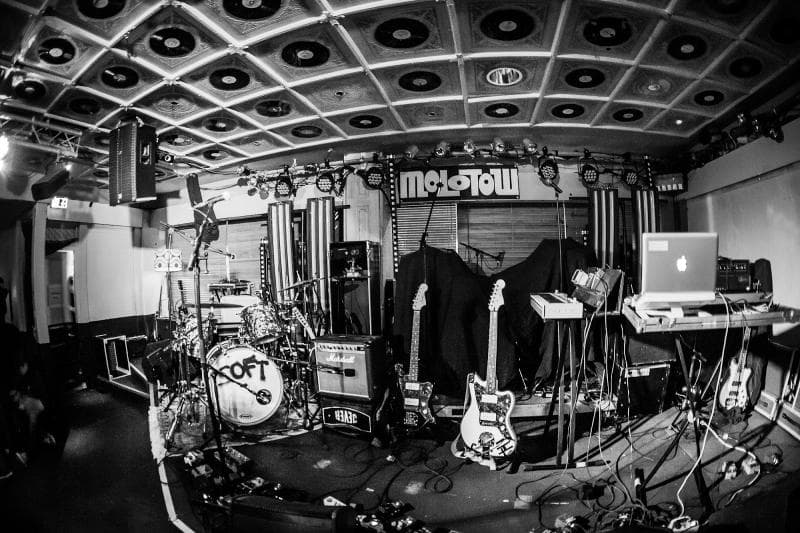
Discover the vibrant live music clubs of the Reeperbahn in Hamburg, Germany. Explore its rich history, famous venues, and The Beatles' legacy.
Overview
The Reeperbahn, nestled within Hamburg's vibrant St. Pauli district, is a legendary street that pulses with an unparalleled energy as a hub for live music and entertainment. Often affectionately called 'die sündige Meile' (the sinful mile) or 'Kiez', this approximately 930-meter stretch is globally renowned for its dynamic nightlife and diverse cultural offerings. Millions of visitors are drawn here annually to immerse themselves in a world where historic charm meets modern revelry.
Far more than just a party street, the Reeperbahn is synonymous with a thriving live music scene. Its countless clubs provide an eclectic mix of genres and experiences, from intimate rock venues to pulsating electronic dance floors. It's a place where every night unfolds with the promise of discovery, whether you're seeking a legendary band or the next big sound.
History & Cultural Background
The story of the Reeperbahn is one of remarkable transformation. Its name, meaning 'ropewalk', harks back to the 17th and 18th centuries when it was a practical industrial site where ropes for Hamburg's bustling port were manufactured, located outside the city walls.
As Hamburg's port grew, so did the need for entertainment for sailors and travelers, gradually shifting the area's character. By the early 19th century, the Reeperbahn began its evolution into an entertainment district, with early establishments like the Urania Theater emerging in 1841.
The mid-20th century marked a pivotal era. In the late 1950s and early 1960s, a new wave of rock and roll began to sweep across Europe. Entrepreneurial club owners on the Reeperbahn saw an opportunity, replacing traditional jazz acts with this electrifying new sound. Clubs like the Kaiserkeller (founded 1959) and Indra (1960) quickly became proving grounds for nascent British bands. Most famously, The Beatles honed their craft and launched their legendary career in these very clubs, including the Star-Club (1962), Kaiserkeller, Top Ten, and Indra. John Lennon himself famously stated, 'I might have been born in Liverpool – but I grew up in Hamburg'. The opening of Gruenspan in 1968, initially a discotheque, further cemented the Reeperbahn's status as a premier live music venue.
What Makes It Special
What sets the Reeperbahn's live music scene apart is its vibrant blend of historical significance and continuous evolution. It is a place where 'anything goes', attracting a wonderfully diverse crowd looking for unique experiences.
The district is a true hotspot for live music, boasting an atmosphere that is both festive and raw. Iconic venues such as Mojo Club, Docks, Prinzenbar, Molotow, and Große Freiheit 36 regularly host both established global acts and promising newcomers.
Adding to its allure is the annual Reeperbahn Festival, one of Europe's largest club festivals. Held in late September, it transforms the district into a sprawling showcase for hundreds of artists across numerous venues, attracting approximately 50,000 visitors and music industry professionals. This festival underscores the Reeperbahn's enduring role as a launchpad for musical talent and a vibrant cultural exchange.
Stories, Fun Facts & Local Details
Many fascinating stories are woven into the fabric of the Reeperbahn. The Beatles' formative years here are legendary, with tales of their grueling performance schedules, onstage antics, and offstage adventures. This period was crucial in shaping them into the world-famous band they became.
To commemorate their significant time in Hamburg, Beatles-Platz stands at the intersection of Reeperbahn and Große Freiheit. This circular plaza, paved black to resemble a vinyl record, features silhouette sculptures of the Fab Four, serving as a popular tribute and photo opportunity.
The Große Freiheit, a prominent side street off the Reeperbahn, is an attraction in itself, lined with famous clubs and bars. Another intriguing local detail is the Davidwache, Europe's smallest police station, prominently located near the Reeperbahn.
The entire St. Pauli district, where the Reeperbahn resides, is known for its ceaseless energy and a unique character that truly never sleeps. It is a place where diverse communities and visitors merge, creating an unforgettable urban tapestry.
Visitor Perspective
For the curious traveler, visiting the Reeperbahn's live music clubs offers an immersive experience. During the day, the area provides a more relaxed opportunity to explore its unique architecture and absorb its history. However, as evening descends, particularly after 10 PM, the Reeperbahn truly comes alive, transforming into a bustling, neon-lit spectacle of sound and movement.
Visitors can expect a dynamic environment filled with clubs, pubs, restaurants, and a variety of live shows. While access to the street itself is free, prices for entry into clubs and events vary, with many venues offering free or reduced admission on weekdays. Efficient public transport makes the Reeperbahn easily accessible. It's important to note that some areas cater to adult entertainment, so those uncomfortable with such themes might prefer to stick to the main street or research specific venues. However, for those seeking a vibrant, unfiltered slice of Hamburg's cultural heart, the Reeperbahn promises an unforgettable night.
Coordinates: 9.96222, 53.54944
View on Google Maps💬 How Travelers Describe This Place
Based on community votes
Unique
445Interesting
416Must See
289Beautiful
141Photogenic
33
Traveler Stories
Discover memorable experiences shared by travelers who have visited this place.
No traveler stories yet.
Be the first traveler to share what made this place memorable.

Tour
By
Spot
Discover amazing places around the world. Your journey starts here.
Explore
© 2026 TourBySpot. All rights reserved.