Lipscani Street
Bucharest, Romania
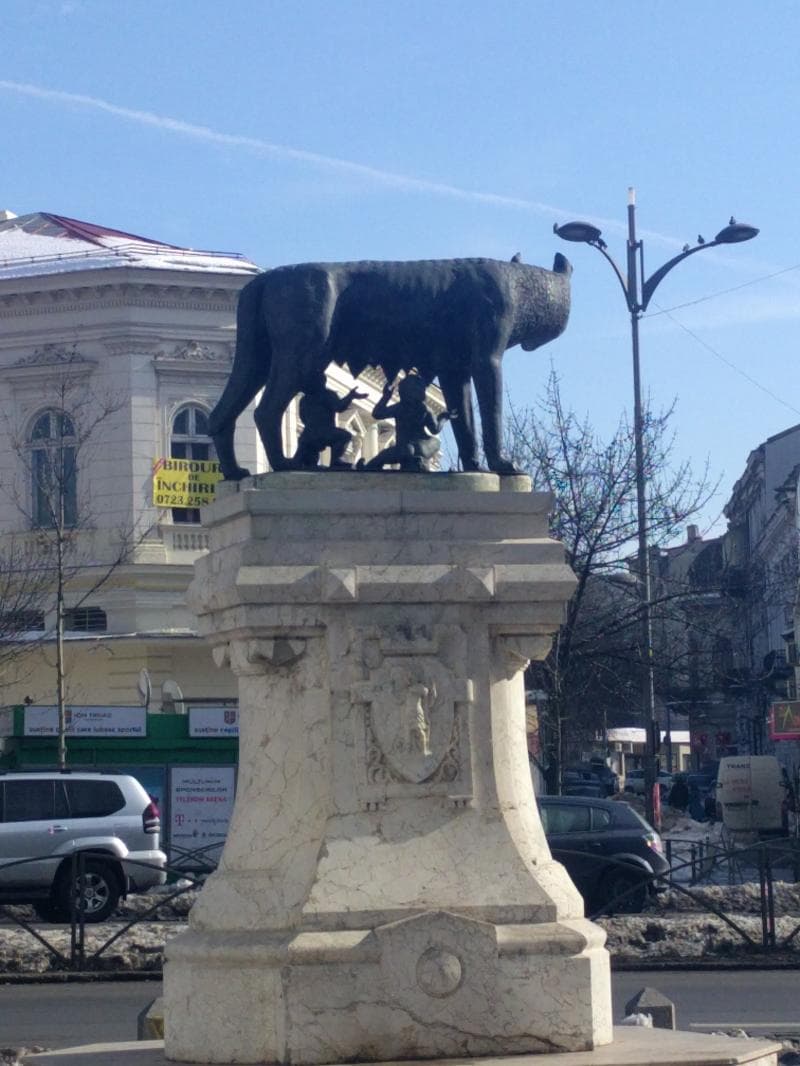
Discover Lipscani Street in Bucharest's Old Town, a historic commercial hub transformed into a vibrant center for culture, dining, and nightlife.
Overview
Lipscani Street, nestled within Bucharest's historic Old Town, serves as the vibrant heart of Romania's capital. This pedestrianized thoroughfare is a captivating blend of ancient history and contemporary energy, drawing in visitors with its cobblestone streets, diverse architecture, and lively atmosphere. Once the most crucial commercial hub of Wallachia, Lipscani today is renowned for its bustling cafes, traditional restaurants, stylish bars, and unique boutiques that breathe new life into centuries-old buildings. It's a place where every corner tells a story, inviting curious travelers to wander and discover the city's enduring spirit.
By day, Lipscani offers a relaxed cafe culture and historical exploration, while by night, it transforms into Bucharest's premier entertainment district, alive with music and conversation. Its central location makes it an easily accessible and unmissable part of any visit to Bucharest, promising a rich cultural experience that bridges the past and present.
History & Cultural Background
The story of Lipscani begins long ago, dating back to the Middle Ages. From the 15th century, around the time Vlad the Impaler established his court nearby, until the early 19th century, it was the most significant commercial area not just for Bucharest but for the entire region of Wallachia. The street's name itself offers a clue to its origins: 'Lipscani' derives from 'Lipsca', the Romanian name for Leipzig, Germany, a major European trade fair city. A 'lipscan' was a merchant who brought goods, particularly fine textiles and books, from Western Europe to Wallachia.
For centuries, the district thrived as a center for trade guilds, with various crafts occupying specific streets. This tradition is still evident today, as many adjacent streets retain names reflecting their historical trades, such as Strada Blănari (Furriers' Street) and Strada Șelari (Saddlemakers' Street). Despite facing neglect and scheduled demolition during the Communist era, Lipscani remarkably survived, preserving much of its historic fabric. The area underwent extensive restoration in the early 21st century, reclaiming its status as a vibrant urban quarter.
What Makes It Special
Lipscani's unique charm lies in its palpable sense of history interwoven with a dynamic modern pulse. The architectural tapestry is a striking blend of styles including Eclectic, Baroque, Brâncovenesc, Neoclassical, and Art Nouveau, reflecting centuries of development and cultural influences. Visitors can admire grand facades and ornate details on buildings that once housed workshops on the ground floor and residences above, a common design from the era.
The entire district is pedestrianized, inviting leisurely strolls across its ancient cobblestones, which still echo with the footsteps of merchants and craftsmen. Beyond its architectural beauty, Lipscani is special for its concentration of attractions. Iconic landmarks like Hanul lui Manuc, Bucharest's oldest operating hotel, and the stunning Carturesti Carusel bookstore, housed in a beautifully restored 19th-century building, offer glimpses into the city's past and present cultural vibrancy.
Stories, Fun Facts & Local Details
Imagine the spirited haggling that once filled Lipscani's narrow lanes, as merchants from across Europe and the Ottoman Empire traded silks, spices, leather, and metalwork. The very layout of the streets, winding and organic, speaks to a medieval past that grew naturally rather than from rigid urban planning. One of the district's most beloved institutions, Caru' cu Bere, established in 1899, is a Gothic-Revival masterpiece that continues to serve traditional Romanian cuisine in an atmosphere steeped in history.
The resilience of Lipscani is a testament to Bucharest's spirit. It managed to avoid the widespread demolition that many other historic areas faced during the Communist regime, serving as a silent witness to a turbulent period. Today, the area's many small squares, filled with street performers and outdoor terraces, create a convivial European flair, especially during warmer months.
Visitor Perspective
Walking through Lipscani is an immersive experience, a journey through time. By day, visitors can explore historical sites like the Old Princely Court ruins, once home to Vlad the Impaler, or the serene Stavropoleos Church, an architectural jewel known for its intricate frescoes and peaceful courtyard. The daytime offers opportunities for boutique shopping, visiting museums like the National Bank Museum with its impressive Art Nouveau architecture, and enjoying the relaxed ambiance of numerous cafes.
As evening falls, Lipscani truly comes alive. The pedestrian streets fill with a vibrant mix of locals and tourists, moving between a dizzying array of bars, clubs, and restaurants. The air buzzes with energy, making it an ideal spot for dinner at a traditional Romanian eatery or experiencing Bucharest's dynamic nightlife. Comfortable shoes are a must, as you'll be traversing charming but uneven cobblestones. Whether you're seeking historical insights, culinary delights, or a lively night out, Lipscani offers a memorable and authentic taste of Bucharest.
Coordinates: 26.1016472, 44.4318306
View on Google Maps💬 How Travelers Describe This Place
Based on community votes
Photogenic
547Interesting
336Unique
219Beautiful
186Must See
80
Traveler Stories
Discover memorable experiences shared by travelers who have visited this place.
No traveler stories yet.
Be the first traveler to share what made this place memorable.

Tour
By
Spot
Discover amazing places around the world. Your journey starts here.
Explore
© 2026 TourBySpot. All rights reserved.