Lindenhof
Zurich, Switzerland
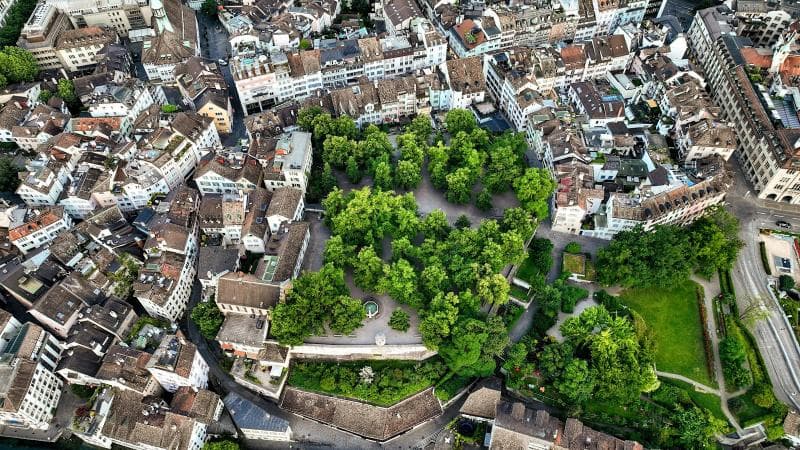
Discover Lindenhof in Zurich, Switzerland – a historic hill offering panoramic views of the Old Town and Limmat River. Explore Roman ruins, medieval tales, and a peaceful urban oasis.
Overview
Perched gently above the Limmat River in the heart of Zurich's Old Town, Lindenhof is far more than just a public square; it is a serene green oasis and a historical vantage point offering breathtaking panoramic views. This tranquil hill provides an unparalleled perspective of the city's charming rooftops, the winding Limmat River, the iconic Grossmünster Church, and often, the distant, majestic Alps and Lake Zurich. It serves as a peaceful retreat from the urban bustle, inviting both locals and travelers to pause and absorb the timeless beauty of Switzerland's largest city.
History & Cultural Background
Lindenhof boasts a rich and layered history spanning over two millennia, making it a Swiss heritage site of national significance. Its story began in the 1st century AD when the Romans established a fort here, known as Turicum, to protect the border of their empire and serve as a customs station. Remnants of these ancient Roman walls and a second-century Roman tombstone, bearing the oldest attestation of Turicum, can still be found today.
Following the Roman era, in the 9th century, the Carolingian king Louis the German built a regal palace on Lindenhof, further cementing its strategic importance as a royal residence. The site remained a significant gathering place for Zurich's inhabitants through the medieval period and into modern times. A pivotal moment in Swiss history occurred here in 1798, when the citizens of Zurich gathered on Lindenhof to swear the oath to the constitution of the Helvetic Republic, marking its enduring role in civic life.
What Makes It Special
What truly sets Lindenhof apart is its unique blend of historical significance and its function as a beloved urban green space. It is the only public park within the former city walls, offering a rare patch of tranquility amidst the dense Old Town. The elevated position, rising about 25 meters above the Limmat, provides magnificent and free panoramic views that draw visitors year-round.
Beyond the vistas, Lindenhof is renowned for its relaxed atmosphere. Under the shade of its namesake linden trees, you'll often find people engaged in games of chess or pétanque, creating a vibrant yet peaceful community hub. It's a place where history feels alive, yet the present moment is cherished, making it a distinctive jewel in Zurich's crown.
Stories, Fun Facts & Local Details
Lindenhof is steeped in fascinating legends and local lore. One of the most cherished stories recounts the 'women's war' of 1292. When Zurich's men were away attempting to besiege Winterthur, Duke Albrecht I of Habsburg reportedly advanced on an undefended Zurich. According to the legend, the city's brave women, led by Hedwig ab Burghalden, donned soldiers' armor and lined the Lindenhof walls, making the city appear heavily guarded. Fooled by this clever ruse, the Duke retreated, saving Zurich. The Hedwig Fountain, dating back to 1688, stands on Lindenhof today as a tribute to these courageous women.
Another historical detail is the presence of the Modestia cum Libertate Masonic Lodge on the southern side of the square, established in 1771. Historically, the area was also known for leisure activities, with chronicles from 1474 mentioning 52 linden trees providing shade for tables where chess was played, alongside archery and crossbow shooting. The presence of these linden trees continues to define the park's character.
Visitor Perspective
A visit to Lindenhof offers a wonderfully calm and enriching experience. After navigating the winding, narrow alleys of Zurich's medieval city center, ascending to Lindenhof feels like stepping into a peaceful sanctuary. It's a place to linger, whether you're enjoying a picnic, capturing stunning photographs of the cityscape, or simply relaxing on a bench beneath the rustling leaves of the linden trees. Many visitors enjoy watching or participating in games of outdoor chess, contributing to the site's unique charm.
Its central location makes it easily accessible, yet its elevated position provides a distinct sense of removal from the urban bustle. It is a favored spot for travelers to gain their bearings of Old Zurich and a cherished meeting point for locals, embodying the city's blend of natural beauty, deep history, and vibrant community life.
Coordinates: 8.5412, 47.373
View on Google Maps💬 How Travelers Describe This Place
Based on community votes
Photogenic
995Beautiful
989Must See
613Interesting
603Unique
581
Traveler Stories
Discover memorable experiences shared by travelers who have visited this place.
No traveler stories yet.
Be the first traveler to share what made this place memorable.
Things to see at Lindenhof



Tour
By
Spot
Discover amazing places around the world. Your journey starts here.
Explore
© 2026 TourBySpot. All rights reserved.