Light Installations
Brussels, Belgium
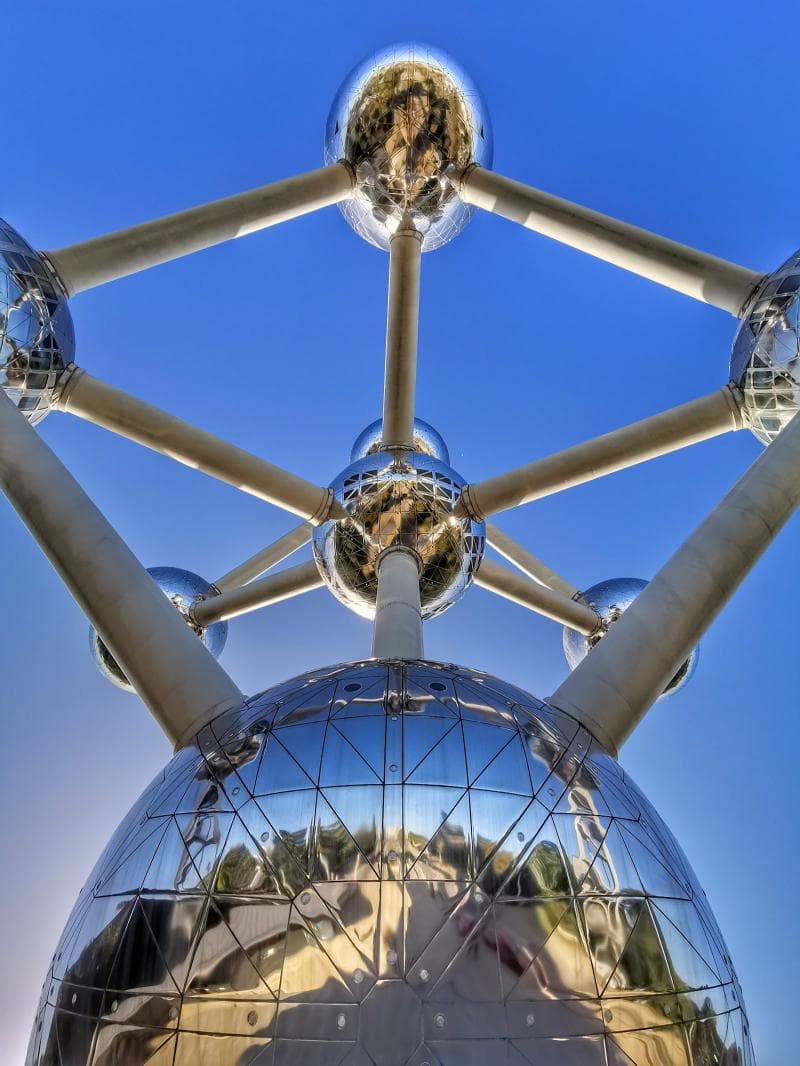
Explore the captivating light installations within the Atomium in Brussels, Belgium. Discover immersive digital art, history, and unique sensory experiences.
Overview
Within the iconic, colossal structure of the Atomium in Brussels, Belgium, visitors discover an enchanting world of light installations that transcend mere illumination, transforming the spheres and connecting tubes into immersive sensory experiences. Far more than just a historical monument, the Atomium has evolved into a dynamic art center where over half of the visitor experience is dedicated to digital arts and innovative light and sound displays. These installations harness the Atomium's unique architectural geometry, turning its vast, spherical spaces and long escalators into canvases for light art, offering a modern interpretation of its original scientific and optimistic spirit.
These light installations are not static exhibits but often interactive and evolving environments, making each visit potentially unique. They contribute significantly to the Atomium's current identity as a beacon of both historical significance and contemporary artistic expression, deeply engaging travelers with its monumental scale and futuristic vision. The integration of light, sound, and digital technology creates a captivating dialogue between the building's 1950s modernist design and today's cutting-edge art.
History & Cultural Background
The Atomium, conceived as the centerpiece for the 1958 Brussels World's Fair (Expo 58), was a grand statement symbolizing scientific progress and the peaceful use of atomic energy. Originally designed by engineer André Waterkeyn and architects André and Jean Polak, it represents an iron crystal magnified 165 billion times. While initially intended to be temporary, its popularity ensured its permanence, much like the Eiffel Tower. By the turn of the millennium, the structure required extensive renovation, which took place from 2004 to 2006.
This renovation not only restored the Atomium but also marked a pivotal moment in its embrace of light art. During this period, the renowned German industrial designer Ingo Maurer created bespoke lighting objects and installations for the building's interior, setting a precedent for innovative illumination. Post-renovation, the Atomium continued to integrate advanced lighting, including exterior LED lighting tested in 2005 that could flash to symbolize the range of an electron. Today, especially in celebration of its 20th anniversary of renovation in 2026, the Atomium actively commissions contemporary digital artists, ensuring its interior spaces remain vibrant and forward-looking, honoring its legacy of progress and technology.
What Makes It Special
What sets the Atomium's light installations apart is their seamless integration with the building's extraordinary architecture. Artists are challenged to work within and around the massive, spherical chambers and the intricate network of tubes that connect them, transforming these spaces into dynamic, multi-sensory environments. Installations like NIMBUS by the Visual System collective, for example, fill spheres with waves of light and sound, creating immersive, almost dreamlike atmospheres where visitors feel enveloped in an 'almost protective halo'. Similarly, the Visual System's Look Up installation transforms the monumental elevator ride into a striking visual and auditory spectacle, highlighting the journey through the Atomium's core.
The themes explored often resonate with the Atomium's scientific origins, as seen in Echoes of Distant Lights by Antoine Goldschmidt. This installation uses laser light and sound to take visitors on a cosmic journey, projecting celestial landscapes and creating organic patterns inspired by nebulae and distant stars. Even the exterior comes alive with creations like ROTONDE by Dirty Monitor, a permanent nocturnal installation around the lower dome, using circular LED structures and synchronized sound to give the Atomium a distinct nighttime identity, making it a living, breathing beacon after dark. These carefully crafted experiences ensure that the architecture itself becomes part of the art.
Stories, Fun Facts & Local Details
The Atomium's journey from a temporary exhibit to a national icon is a story of enduring appeal and reinvention. A fun fact many visitors might not know is that the nine spheres, each 18 meters in diameter, were originally clad in aluminum before the 2004-2006 renovation replaced them with stainless steel. The choice to dedicate significant space to digital art installations reflects a deep commitment to its founding principles: embracing innovation and looking towards the future. This approach allows the Atomium to continuously engage with new generations, offering a contemporary dialogue between its historic purpose and modern artistic expression.
The cultural significance extends to how local artists and collectives, such as Antoine Goldschmidt and Visual System, are commissioned to create these site-specific works. This not only showcases Belgian talent but also ensures that the installations are deeply contextualized, often drawing inspiration from the Atomium's unique structure and history. The soundscapes accompanying many installations, often composed by Belgian musicians like Ofer Smilansky and Thomas Vaquié, further root these experiences in local creative talent, offering a multi-layered cultural encounter.
Visitor Perspective
Stepping inside the Atomium and experiencing its light installations is often described as entering another dimension. Visitors are invited on a truly immersive journey that stimulates multiple senses. The interplay of light, shadow, color, and sound within the vast, metallic spheres and echoing tubes creates a sense of wonder and often, introspection. Moving through these spaces, whether it's gazing at laser beams passing through suspended glass sculptures in a cosmic display or being surrounded by shifting waves of light and sound, is an experience designed to be both visually stunning and emotionally resonant.
The unique nature of these installations means that each visit offers a fresh perspective on the Atomium itself, highlighting different architectural nuances and volumes. It's not just about observing art; it's about being enveloped by it, with the building's structure becoming an active participant in the artistic narrative. For curious travelers, it's a chance to witness how a historical landmark can continually reinvent itself, offering cutting-edge digital art while honoring its past as a symbol of optimism and scientific marvel.
Coordinates: 4.34111, 50.89472
View on Google Maps💬 How Travelers Describe This Place
Based on community votes
Photogenic
547Interesting
336Unique
219Beautiful
186Must See
80
Traveler Stories
Discover memorable experiences shared by travelers who have visited this place.
No traveler stories yet.
Be the first traveler to share what made this place memorable.

Tour
By
Spot
Discover amazing places around the world. Your journey starts here.
Explore
© 2026 TourBySpot. All rights reserved.