Lenin Statue
Minsk, Belarus
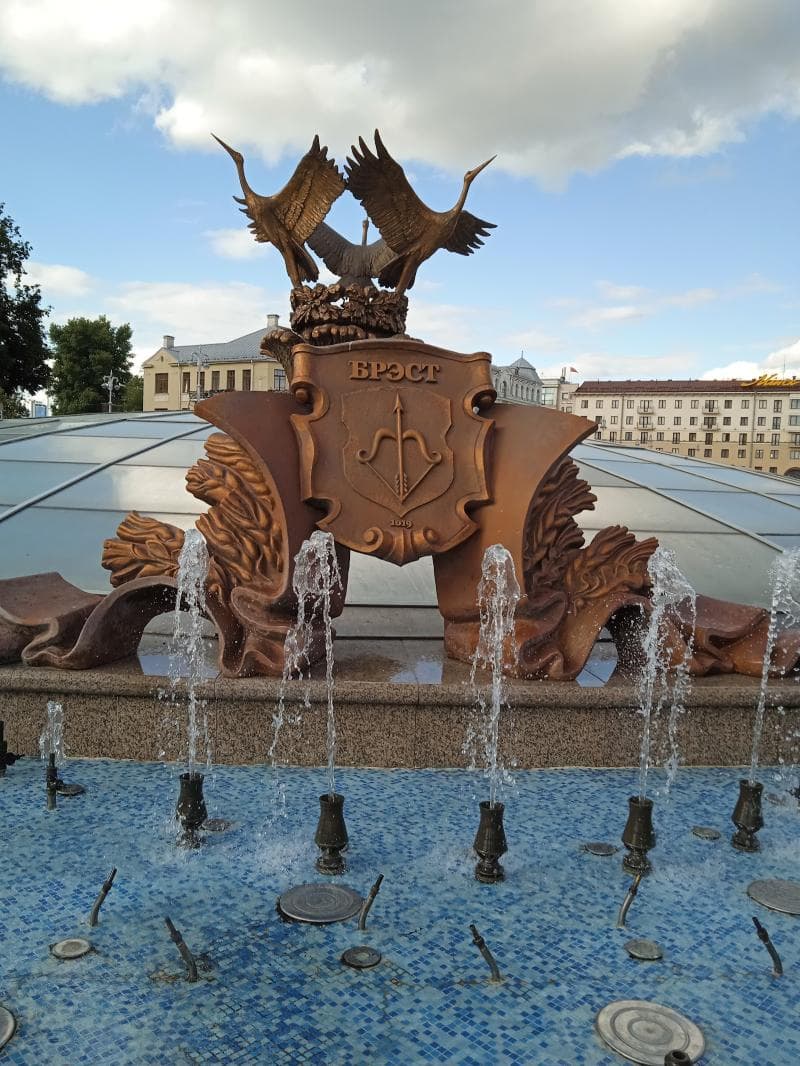
Explore the historic Lenin Statue in Independence Square, Minsk, Belarus – a powerful bronze monument symbolizing the city's complex Soviet past and architectural heritage.
Overview
In the bustling heart of Minsk, Belarus, within the expansive Independence Square, stands a prominent bronze monument to Vladimir Ilyich Lenin. This impressive statue, reaching a height of seven meters, serves as a focal point of the square's architectural ensemble and is directly positioned in front of the House of Government. It is an integral part of Minsk's historical and cultural tapestry, offering visitors a tangible connection to the city's Soviet past. Easily accessible and visible from various angles across the open plaza, the monument invites contemplation on the layers of history embedded within this significant urban space.
History & Cultural Background
The Lenin Statue was originally unveiled on November 7, 1933, coinciding with the anniversary of the October Revolution. It was conceived by renowned sculptor Matvey Manizer and architect Iosif Langbard, who also designed the adjacent House of Government, ensuring a unified visual composition. At the time of its installation, this seven-meter-high statue was among the largest Lenin monuments across the USSR. Its design, titled 'Lenin on the Tribune', was inspired by Lenin's speech on May 5, 1920, delivered during the send-off of Red Army troops to the Soviet-Polish War.
However, the monument's history was not without interruption. During World War II, in July 1941, the statue was tragically destroyed by Nazi German occupiers. Yet, its significance to the city was such that it was meticulously restored and re-installed. Using surviving models from Manizer's workshop, the monument was re-cast in Leningrad in April 1945 and returned to its original location on May 1, 1945, to celebrate Peace and Labor Day. The square itself, now known as Independence Square, was historically called Lenin Square, a name still retained by the nearby metro station, further highlighting the deep historical ties.
What Makes It Special
What sets the Lenin Statue in Minsk apart is not just its sheer size or artistic merit, but its enduring presence. Unlike many other Lenin monuments across former Soviet republics that were removed or relocated after the collapse of the USSR, this particular statue has remained steadfast in its original, prominent location. It stands as a powerful symbol of Belarus's unique approach to its Soviet heritage, where historical periods are often seen to coexist rather than be erased. The statue's integration with the Constructivist-style House of Government, both designed by Langbard, creates a powerful architectural statement that speaks to the planned urban landscape of Soviet-era Minsk. The pedestal of the monument is also adorned with four bas-reliefs, depicting pivotal moments from Soviet history, adding layers of narrative to the monument.
Stories, Fun Facts & Local Details
The statue has witnessed countless historical events and public gatherings. During the Soviet era, Independence Square, then Lenin Square, was the primary venue for military parades, especially on International Workers' Day, Victory Day, and October Revolution Day. Party officials would stand on a grandstand in front of the Lenin statue to observe these parades, which continued until 1989. This highlights its role as a silent observer and central stage for state ceremonies. Today, the statue remains a popular landmark and a reference point within the city. Its continued presence often sparks discussions among locals and visitors about memory, history, and national identity, reflecting Belarus's complex relationship with its past. The fact that the 'Lenin Square' metro station still bears its original Soviet name while the square above was renamed 'Independence Square' also offers a fascinating glimpse into the ongoing dialogue about historical legacies in modern Belarus.
Visitor Perspective
For a curious traveler, visiting the Lenin Statue in Independence Square offers more than just a photo opportunity; it is an encounter with a living piece of history. The monument's central location in one of Europe's largest city squares, surrounded by significant governmental and educational institutions, provides a unique context. Standing before the imposing figure of Lenin, with the grand House of Government as its backdrop, one can truly grasp the monumental scale of Soviet urban planning and its lasting impact on Minsk's cityscape. The statue is easily accessible and forms a natural starting point for exploring the wider Independence Square, including the contrasting red-brick Church of Saints Simon and Helena and the modern underground shopping complex 'Stolitsa'. It encourages reflection on the shifting tides of history and the remarkable resilience of a city that rebuilt itself and chose to retain significant elements of its past, making it a truly unique destination.
Coordinates: 27.54544, 53.89558
View on Google Maps💬 How Travelers Describe This Place
Based on community votes
Must See
771Beautiful
767Unique
516Photogenic
301Interesting
82
Traveler Stories
Discover memorable experiences shared by travelers who have visited this place.
No traveler stories yet.
Be the first traveler to share what made this place memorable.

Tour
By
Spot
Discover amazing places around the world. Your journey starts here.
Explore
© 2026 TourBySpot. All rights reserved.