Langelinie Promenade
Copenhagen, Denmark
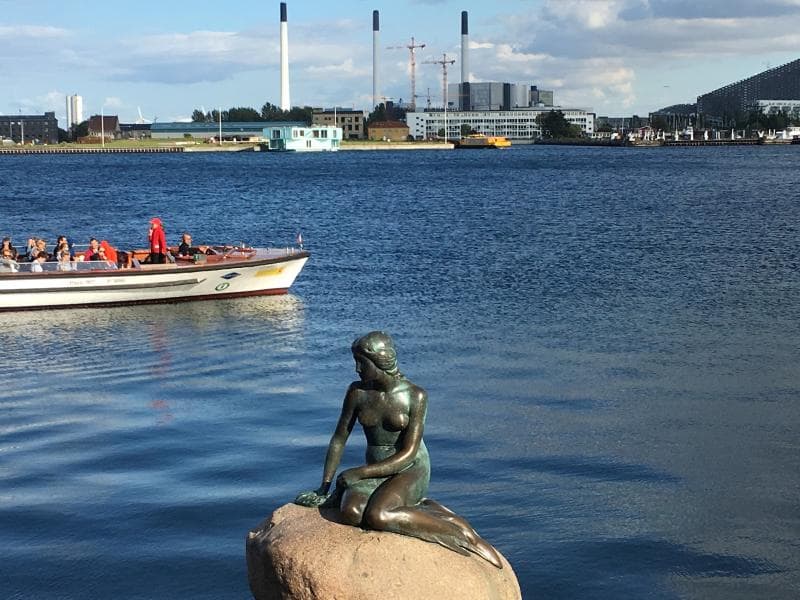
Explore Langelinie Promenade in Copenhagen, Denmark – a historic waterfront, park, and home to The Little Mermaid. Discover its rich past and scenic beauty.
Overview
The Langelinie Promenade, nestled in the vibrant city of Copenhagen, Denmark, offers a captivating blend of maritime charm, historical significance, and tranquil green spaces. More than just a pathway, it functions as a pier, a sprawling park, and a scenic promenade, making it a beloved destination for both locals and international travelers. While widely known as the home of The Little Mermaid statue, Langelinie itself is a rich tapestry of sights and experiences, extending along the city's inner harbor in Østerbro. Here, the gentle sea breeze and expansive views create an inviting atmosphere for leisurely strolls, offering a peaceful escape from the urban hustle.
Its strategic location means that large ocean-going vessels, including numerous cruise ships, frequently berth at Langelinie Pier, adding a dynamic element to the waterfront scenery. Visitors can observe these impressive ships up close, enhancing the unique maritime character of the area. Langelinie serves as a testament to Copenhagen's deep connection with the sea, inviting exploration of its many monuments, sculptures, and quiet corners for reflection.
History & Cultural Background
The story of Langelinie dates back to the mid-17th century, when it was merely an idyllic path along the Øresund coast, tracing the citadel Kastellet. For an extended period, this stretch remained a restricted military area, inaccessible to the general public. An intriguing military order from 1819 even directed soldiers to 'throw water in the head and on the breast and to cool their feet in the water' in this very area. Over time, a beach promenade and a park were developed, initially catering to the bourgeoisie who paid a toll for access, effectively excluding the common populace.
However, a significant public uprising in 1848 marked a turning point, leading to the area finally being opened to everyone. The Langelinie quay itself was later erected in 1894, an extension of the Copenhagen harbor designed to accommodate the city's growing industrialization and the need for a larger port capable of handling the biggest ocean-going vessels. This development was partly spurred by Germany's construction of the Kiel Canal, which threatened Copenhagen's maritime position. This transformation from a military zone to a bustling, yet serene, public waterfront underscores Langelinie's evolution as a cultural and economic cornerstone of Copenhagen.
What Makes It Special
Beyond its most famous resident, The Little Mermaid, the Langelinie Promenade distinguishes itself through a variety of features that contribute to its special appeal. It is a linear park adorned with tree-lined paths, inviting green spaces, and numerous areas for quiet contemplation by the water. The promenade offers a compelling mix of natural beauty and architectural interest, with significant landmarks dotting its expanse.
One such landmark is the impressive Gefion Fountain, Copenhagen's largest fountain, which vividly depicts the Norse goddess Gefion and her oxen. Adjacent to Langelinie lies the well-preserved Kastellet fortress, a star-shaped 17th-century fortification offering peaceful walks and historical insights. The Langelinie Pavilion, a modernist structure from 1958 designed by architects Nils and Eva Koppel, adds another layer of architectural interest, famously featuring Poul Henningsen's 'Artichoke' lamps. The area's unique ability to host large cruise ships directly at the pier provides a continuous spectacle of global maritime activity. This blend of historical depth, artistic expression, and vibrant contemporary life makes Langelinie a truly distinctive Copenhagen experience.
Stories, Fun Facts & Local Details
The Langelinie Promenade holds many stories within its historic bounds. It was here, in the middle of the 17th century, that Hans Christian Andersen himself reportedly walked to find inspiration, sometimes meeting the Fairy Godmother in his imagination. He once referred to the promenade as a 'place of unlimited possibility,' reflecting its enduring magic. The promenade's history as a place once accessible only to those who could pay a toll, followed by a public uprising in 1848 that made it open to all, reveals a fascinating social narrative.
The Langelinie Pavilion has a dramatic past; the second iteration, built in 1902, was tragically blown up in 1944 during World War II as part of German sabotage operations targeting Danish resistance. The current, third pavilion, is a testament to post-war modernism. Even the pier itself, Langeliniekaj, was originally constructed using materials excavated during the creation of a new harbor basin. Today, it is not uncommon to see Copenhageners enjoying their 'Sunday walk' along Langelinie, highlighting its cherished status among locals, not just tourists. The area also features unique sculptures like a bronze polar bear with cubs, which notably bears bullet holes from a German soldier during the Occupation of Denmark.
Visitor Perspective
A visit to Langelinie Promenade is often characterized by a sense of calm and appreciation for Copenhagen's maritime heritage. Many visitors describe it as a beautiful and peaceful place for a stroll, where the fresh sea breeze invigorates the senses. The expansive waterfront views and the sight of grand cruise ships docking create a memorable backdrop for a walk. While The Little Mermaid statue is an undeniable draw, many travelers find that the true charm of Langelinie lies in embracing the entire experience—the scenic walk, the historical surroundings, and the tranquility.
It is a perfect place to unwind, with plenty of benches, cafes, and restaurants where one can pause and soak in the atmosphere. Exploring nearby sites like Kastellet and the Gefion Fountain further enriches the visit, forming a delightful and historically significant walking loop. To fully appreciate the serene beauty and avoid peak crowds, local tips suggest visiting early in the morning or later in the evening, when the light is softer and the promenade is less busy. Langelinie is easily accessible, whether by public transport, bicycle, or a pleasant walk from the city center, making it an integral part of any Copenhagen exploration.
Coordinates: 12.5987, 55.6924
View on Google Maps💬 How Travelers Describe This Place
Based on community votes
Beautiful
791Photogenic
613Unique
514Must See
457Interesting
207
Traveler Stories
Discover memorable experiences shared by travelers who have visited this place.
No traveler stories yet.
Be the first traveler to share what made this place memorable.

Tour
By
Spot
Discover amazing places around the world. Your journey starts here.
Explore
© 2026 TourBySpot. All rights reserved.