Lake Matka
Skopje, North Macedonia
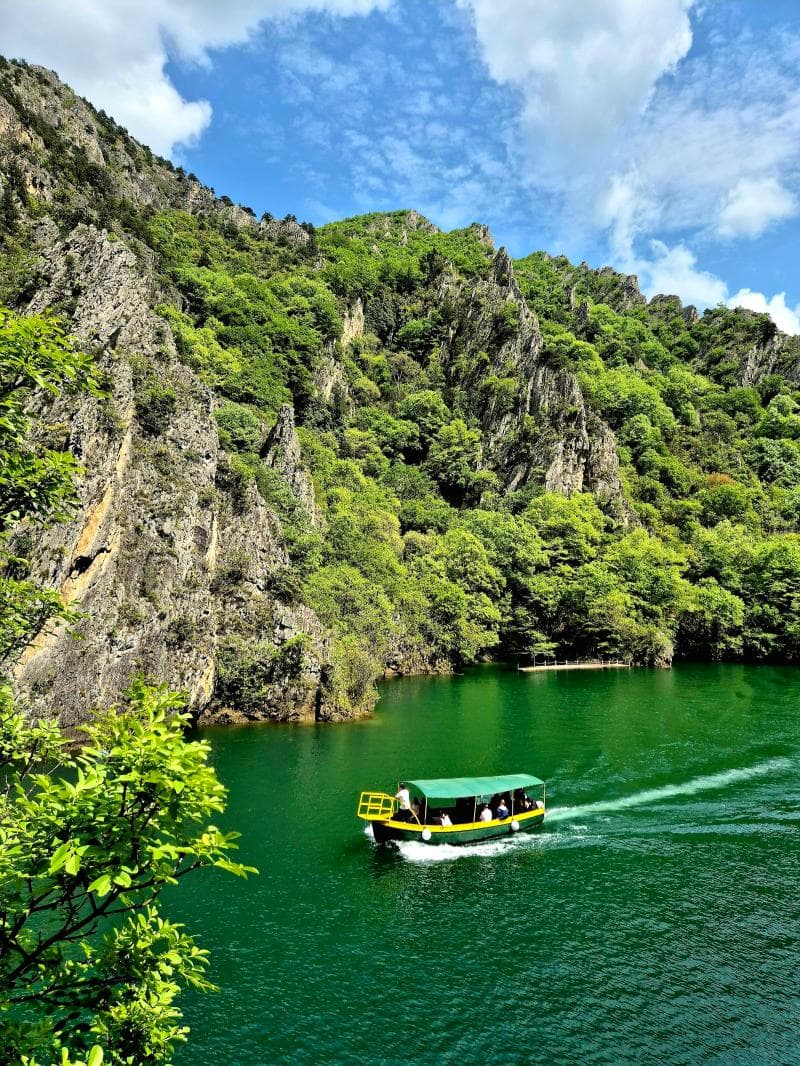
Explore Lake Matka and Matka Canyon in Skopje, North Macedonia. Discover ancient monasteries, deep underwater Vrelo Cave, and stunning nature for hiking and kayaking.
Overview
Lake Matka, nestled within the dramatic Matka Canyon in Skopje, North Macedonia, is a breathtaking natural and cultural marvel. Situated approximately 15 kilometers southwest of the capital, this stunning gorge was carved by the Treska River over millions of years. The artificial lake, created in 1938 by the construction of a dam, is the oldest in North Macedonia and serves as a vital source of hydroelectric power and irrigation for surrounding villages. Covering roughly 5,000 hectares, Matka Canyon is renowned for its striking limestone cliffs, which soar more than 100 meters above the river, and its serene, emerald-green waters. It stands as a popular destination for both locals and travelers seeking adventure, history, and tranquility amidst unparalleled natural beauty.
History & Cultural Background
The Matka region boasts a rich tapestry of human history, with archaeological evidence pointing to settlements dating back to prehistoric times. The medieval era, however, left the most profound cultural imprint, with numerous churches and monasteries built into the canyon's cliffs and along its banks between the 14th and 16th centuries. Prominent among these are the 14th-century St. Andrew's Monastery, featuring well-preserved frescoes, and the Matka Monastery (Monastery of the Holy Mother of God), which was significantly restored in 1497 by a woman named Milica. Another notable site is the St. Nikola Shishevski Monastery, perched high above the canyon, offering spectacular views. These sacred sites provided refuge during the Ottoman conquest and remain active pilgrimage destinations today, reflecting centuries of spiritual devotion and architectural ingenuity. The concentration of religious buildings has even earned Matka Canyon the affectionate nickname 'Little Mount Athos'.
What Makes It Special
Matka Canyon is an extraordinary geological wonder, formed through Precambrian and Cambrian marble and limestone formations over millions of years, exposing some of the oldest rock layers in the Balkans. Its unique karst landscape is home to more than ten caves, with the most famous being Vrelo Cave. Vrelo Cave is celebrated as one of Europe's deepest underwater caves, featuring two interior lakes, impressive stalactites, and stalagmites. Its underwater section has been explored to depths exceeding 203 meters, with its full extent yet to be discovered. The cave was also recognized among the top 77 natural sites globally in the New7Wonders of Nature project.
Beyond its geological marvels, Matka is a biodiversity hotspot, considered one of the most biodiverse locations in Europe. It harbors over 1,000 plant species, with approximately 20 percent being endemic to the region, including rare flora like Viola kosaninii and Ramonda nathaliae. The canyon is also a haven for wildlife, boasting over 100 butterfly species, with 77 endemic to the Balkans, as well as unique cave-dwelling organisms and various bird species like eagles and falcons.
Stories, Fun Facts & Local Details
The name 'Matka' itself, meaning 'womb' in Macedonian, is often interpreted as a symbol of life's source, a fitting description for a place so rich in natural wonders. Inside Vrelo Cave, visitors can marvel at a colossal stalagmite, nicknamed the 'Pine Cone', estimated to be an astonishing 2,700 years old. The canyon's significance in the world of outdoor sports is also notable; Matka hosted the First World Wildwater Kayak Championship in 1975, cementing its reputation as a prime location for water sports. The area served as a crucial glacial refugium during the Ice Age, preserving a diverse array of relict and endemic species that thrive there today. The spiritual ambiance of the medieval monasteries, some still holding original inscriptions, offers a tangible link to the craftsmanship and daily life of past centuries.
Visitor Perspective
Matka Canyon offers a compelling escape from the urban bustle of Skopje, accessible within a short 30 to 45-minute drive. Public bus line 60 provides a convenient and affordable option for reaching the canyon from the city center. There is no entrance fee to the canyon itself, allowing for free exploration of its natural splendor. Popular activities include boat tours that glide along the lake's tranquil waters, often including a visit to Vrelo Cave, and kayaking, allowing for a more intimate experience of the canyon's scale. Numerous hiking trails cater to various fitness levels, leading to stunning viewpoints and historic monasteries, though comfortable walking shoes are highly recommended due to uneven terrain.
The canyon's microclimate means temperatures are noticeably cooler than in Skopje, making it a refreshing retreat during warmer months. While the lake's water is exceptionally cold, making swimming generally unadvised, the sheer beauty and diverse activities ensure a memorable experience. For the best visitor experience, late spring (May-June) and early autumn (September-October) offer pleasant weather and fewer crowds. Most vendors and tour operators primarily accept cash in Macedonian Denar.
Coordinates: 21.296944, 41.955556
View on Google Maps💬 How Travelers Describe This Place
Based on community votes
Photogenic
551Interesting
547Unique
336Beautiful
219Must See
186
Traveler Stories
Discover memorable experiences shared by travelers who have visited this place.
No traveler stories yet.
Be the first traveler to share what made this place memorable.

Tour
By
Spot
Discover amazing places around the world. Your journey starts here.
Explore
© 2026 TourBySpot. All rights reserved.