Lady Chapel
Dublin, Ireland
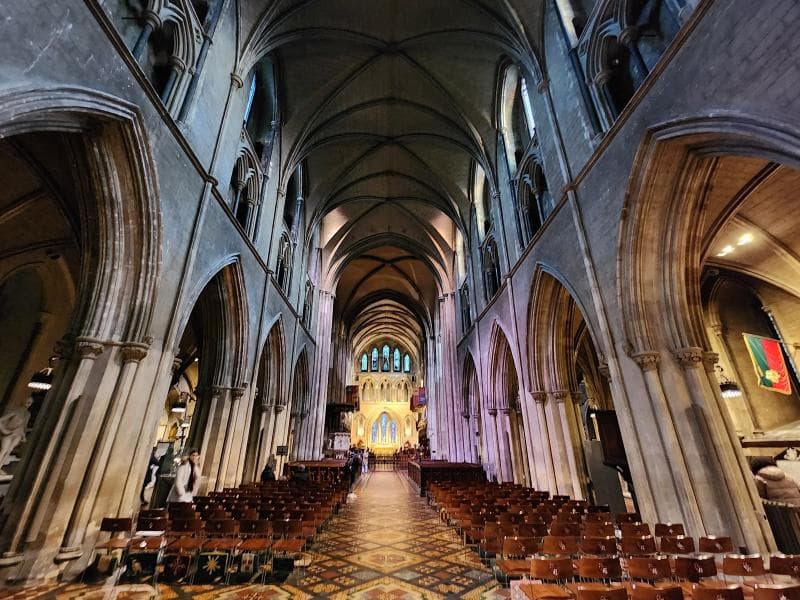
Discover the tranquil Lady Chapel within St. Patrick's Cathedral, Dublin, Ireland. Explore its rich history, Huguenot connections, and serene beauty.
Overview
Tucked away at the eastern end of the grand St. Patrick's Cathedral in Dublin, Ireland, lies the serene and historically rich Lady Chapel. This sacred space, dedicated to the Blessed Virgin Mary, offers a tranquil retreat from the cathedral's larger, bustling nave. It stands as a testament to centuries of devotion, architectural evolution, and cultural shifts within the heart of Ireland's capital. Conceived as a peaceful sanctuary, the Lady Chapel invites visitors to step back in time and experience a palpable sense of history and quiet contemplation.
As an integral part of the largest cathedral in Ireland, the Lady Chapel is not merely an architectural annex but a living, breathing component of St. Patrick's. Today, it continues its religious function, hosting midweek services, choir rehearsals, and recitals, making it a vibrant center for spiritual life. Its enduring presence underscores the cathedral's continuous role as a national spiritual landmark.
History & Cultural Background
The origins of the Lady Chapel trace back to a common medieval European tradition. In the 13th and 14th centuries, it became customary for great cathedrals in Northern Europe to construct a chapel behind the high altar, dedicating it to the Blessed Virgin Mary. St. Patrick's Cathedral followed this tradition, with its Lady Chapel being built around 1270 by Archbishop Fulk de Saunford.
Over its long history, the chapel has witnessed significant transformations. Like the rest of the cathedral, it underwent extensive restoration in the 19th century, preserving its Gothic character. A notable chapter in its history saw the chapel serve a different community; from the mid-17th century to the early 19th century, it was known as the 'French Chapel'. This was due to its use by Huguenots, French Protestant refugees who sought asylum in Ireland after fleeing religious persecution following the revocation of the Edict of Nantes. They used the chapel for worship from 1666 to 1816.
One poignant reminder of this period is the burial place of Dr. Elie Bouhereau, the first librarian of the nearby Marsh's Library, within the chapel, symbolizing the refuge found by the Huguenot community.
What Makes It Special
The Lady Chapel's unique charm lies in its blend of historical depth, architectural beauty, and a tangible sense of peace. Its distinct atmosphere is often described as one of the most peaceful spaces within the entire cathedral, making it an ideal spot for reflection.
Architecturally, the chapel showcases intricate carvings and beautiful stained glass, which bathe the space in soft, colorful light. These details, meticulously restored over the centuries, speak volumes about the craftsmanship of different eras. A major conservation project in 2012, costing approximately €700,000, meticulously cleaned and restored its stonework, floor tiles, and ceiling, and installed a new lighting scheme. This effort ensured that the chapel's delicate features could be appreciated by modern visitors, highlighting the tremendous skills of Irish craftspeople involved in the work.
The Lady Chapel also holds some fascinating artifacts, including a chair said to have been used by King William III during a celebration service after his victory at the Battle of the Boyne. Another significant feature is the tomb of Archbishop Tregury, who passed away in 1471 and whose will bequeathed the cathedral's first organ.
Stories, Fun Facts & Local Details
Beyond its formal history, the Lady Chapel is steeped in stories that connect it deeply to the fabric of Dublin. The chapel's role as the 'French Chapel' for the Huguenots is a particularly compelling narrative, illustrating Ireland's history as a place of refuge. The presence of Huguenot monuments in the area, and even a bell dedicated to their memory nearby, serve as constant reminders of this vibrant, albeit challenging, period.
While the larger cathedral boasts its own grand narratives, the Lady Chapel offers a more intimate historical experience. Records indicate numerous interments beneath its floor, each hinting at untold personal histories interwoven with the chapel's spiritual journey. A window inside the gate of the South Choir aisle commemorates Annie Lee Plunkett, wife of Archbishop Plunkett and daughter of Benjamin Lee Guinness, renowned for her charitable work—a detail that adds a human touch to the ecclesiastical grandeur.
Today, the Lady Chapel is not only a place of worship but also a space where the cathedral's choir practices, filling the ancient stones with music and continuing a tradition of sacred sound.
Visitor Perspective
For visitors to St. Patrick's Cathedral, the Lady Chapel provides a profound sense of continuity and quiet reflection. Located thoughtfully at the eastern end, it's a designated quiet space where one can pause, reflect, and absorb the historical weight of the surroundings.
While the main cathedral can be a lively place with many visitors, stepping into the Lady Chapel offers a different pace. It provides an opportunity to experience a more personal connection with the spiritual and historical essence of the cathedral. It's a space where the ancient stones seem to whisper tales of archbishops, refugees, and countless prayers offered over centuries. Observing the delicate details of its architecture and the tranquil atmosphere makes it a highlight for those seeking a moment of peace and a deeper understanding of Dublin's rich heritage. It is important for visitors to note that while generally accessible, the Lady Chapel may be closed during service times to maintain its sacred function.
Coordinates: -6.2714767, 53.3395154
View on Google Maps💬 How Travelers Describe This Place
Based on community votes
Interesting
674Must See
546Unique
503Beautiful
92Photogenic
49
Traveler Stories
Discover memorable experiences shared by travelers who have visited this place.
No traveler stories yet.
Be the first traveler to share what made this place memorable.

Tour
By
Spot
Discover amazing places around the world. Your journey starts here.
Explore
© 2026 TourBySpot. All rights reserved.