Lace Museum
Venice, Italy
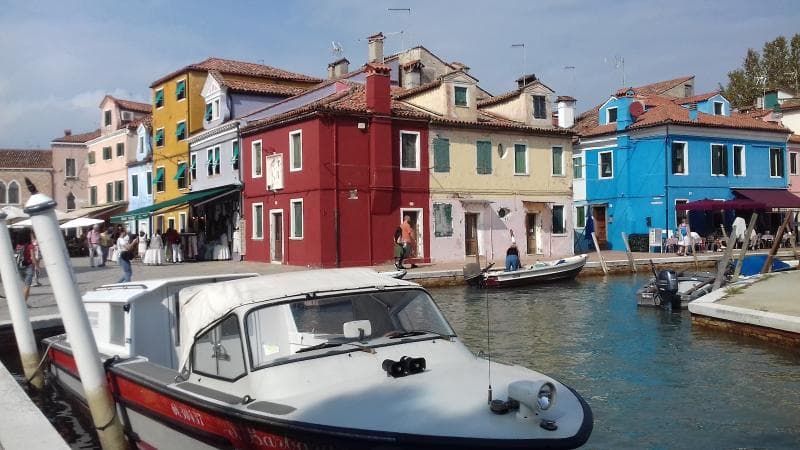
Discover the intricate beauty and rich history of Burano lace at the Lace Museum on Burano Island, Venice, Italy. Explore centuries of exquisite lacemaking tradition.
Overview
The Lace Museum, or Museo del Merletto, is a cultural jewel nestled on Burano Island, a picturesque island in the Venetian Lagoon, Italy. This significant institution is dedicated to preserving and showcasing the intricate art of Burano lace-making, a craft renowned globally for its beauty and complexity. Housed in the historic building that was once the celebrated Burano Lace School, the museum offers visitors a comprehensive journey through the history and evolution of Venetian lace from the 16th to the 20th century. [3, 4, 6, 13, 21, 29, 34]
Stepping inside, travelers are welcomed into a serene atmosphere where over two hundred exquisite examples of lace are displayed. Beyond static exhibits, the museum often features live demonstrations by skilled lacemakers, providing a rare opportunity to witness this ancient tradition firsthand. It is a place where history, art, and the enduring spirit of Burano's women converge, offering deep insights into a craft that has shaped the island's identity for centuries. [4, 6, 10, 13, 21, 32, 34]
History & Cultural Background
The origins of Venetian lace are steeped in legend, with some tales speaking of mermaids and sea foam inspiring the delicate patterns. Historically, the art of lacemaking in Venice dates back to the 15th century, with Burano quickly becoming a prominent center for its production. [5, 8, 14, 20, 24]
Burano lace, particularly the needle-lace technique known as 'punto in aria' ('stitches in the air'), gained immense popularity among European nobility. By the 16th and 17th centuries, it was a coveted status symbol, adorning the garments of kings and queens, including Catherine de Medici and Louis XIV. The demand for Burano lace was so high that lacemakers from the island were even invited to the French court. [5, 8, 9, 11, 14, 16, 29]
However, by the late 18th century, with the fall of the Venetian Republic and the rise of machine-made lace, the art faced a significant decline. The tradition was almost lost until a revival in 1872. Following a devastating winter for Burano's fishing community, Countess Adriana Marcello, with the patronage of Queen Margherita of Savoy, established the Burano Lace School. This initiative aimed to provide economic relief and, crucially, to safeguard the intricate needle-lace techniques. An elderly local, Vincenza Memo, known as Cencia Scarpariola, who still remembered the ancient methods, played a pivotal role in teaching the younger generations, ensuring the survival of this precious art form. The school flourished for nearly a century before closing in 1970, with the museum opening in 1981 to continue its legacy. [3, 7, 8, 9, 12, 16, 30]
What Makes It Special
What truly sets the Lace Museum apart is its dedication to showcasing the 'Merletto di Burano', a uniquely intricate needle lace crafted without any underlying fabric support. This 'punto in aria' technique requires immense skill, patience, and years of practice, making each piece a testament to human artistry. [11, 25]
The museum's collection spans centuries, featuring rare and precious Venetian and lagoon laces that illustrate the artistic and technical evolution of this craft. Visitors can explore diverse lace points, from the 'punto Venezia' to the distinct 'punto Burano', each with its own characteristics and historical significance. Beyond the historical exhibits, the opportunity to observe master lacemakers at work is a profound highlight. These live demonstrations reveal the painstaking process, the dexterity, and the dedication required to create such delicate masterpieces, offering an intimate connection to a living tradition. [4, 6, 10, 11, 13, 19, 32, 34]
Stories, Fun Facts & Local Details
Burano's lacemaking tradition is intertwined with captivating local stories. One popular legend tells of a young fisherman from Burano who resisted the alluring song of mermaids due to his true love for his fiancée. Impressed by his loyalty, the Queen of Mermaids gifted him a wedding veil made of sea foam. This ethereal veil, with its delicate patterns, inspired the women of Burano to try and replicate its beauty with needles and thread, thus giving birth to Burano lace. Another tale speaks of a maiden who, yearning for her beloved away at war, wove a fishing net replicating a unique sea flower he had given her, creating an exquisite lace pattern. [5, 8, 14, 20, 27]
Another fascinating detail links Burano lace to Leonardo da Vinci. Legend has it that in 1481, da Vinci visited Cyprus, then under Venetian rule, to acquire a piece of Burano lace for the altar of Milan Cathedral, highlighting its early prestige. Beyond the lace, Burano Island itself is famous for its vibrant, brightly colored houses. Local folklore suggests these vivid hues helped fishermen navigate through fog and identify their homes from the water. While primarily known for its lace, these colorful houses add to the island's unique charm, making a visit to Burano a feast for the eyes and a journey into a rich cultural tapestry. [15, 31, 34]
Visitor Perspective
A visit to the Lace Museum offers more than just a historical overview; it provides an immersive cultural experience. Travelers can expect to spend about an hour exploring the exhibits, which are thoughtfully organized to guide them through the intricate world of lacemaking. Multimedia presentations and didactic panels explain the various techniques, making the complex craft accessible and engaging. [4, 13, 34]
Witnessing the live demonstrations by the few remaining skilled lacemakers is often described as a mesmerizing experience, offering a profound appreciation for their artistry and dedication. It's a chance to connect with the island's soul and understand the resilience of its traditions. After exploring the museum, visitors often enjoy strolling through Burano's colorful streets, perhaps stopping at local shops where genuine handmade lace can still be found, ensuring that this cherished art continues to thrive. The museum serves not only as a repository of the past but also as a beacon for the future of Burano lace. [4, 6, 13, 29, 34]
Coordinates: 12.41861, 45.48472
View on Google Maps💬 How Travelers Describe This Place
Based on community votes
Must See
491Photogenic
443Beautiful
414Interesting
310Unique
277
Traveler Stories
Discover memorable experiences shared by travelers who have visited this place.
No traveler stories yet.
Be the first traveler to share what made this place memorable.

Tour
By
Spot
Discover amazing places around the world. Your journey starts here.
Explore
© 2026 TourBySpot. All rights reserved.