La Scala Museum
Milan, Italy
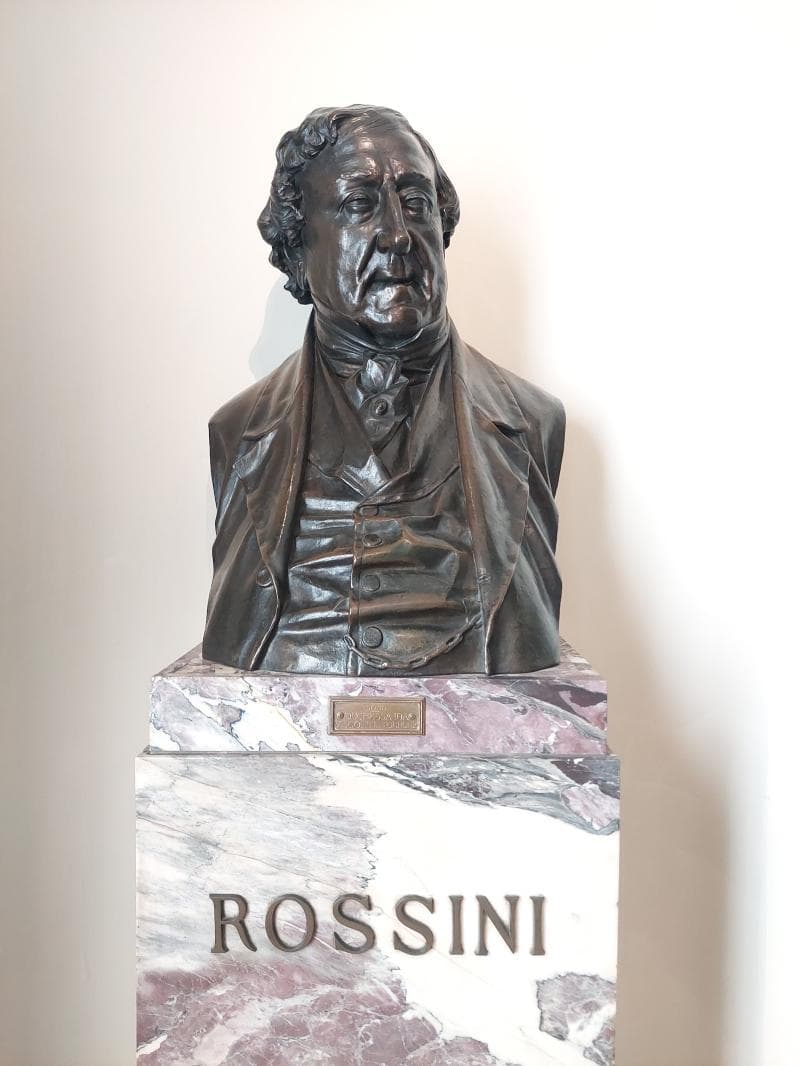
Explore La Scala Museum in Milan, Italy, a treasure trove of operatic history and theatrical artifacts located within the renowned Teatro alla Scala.
Overview
Nestled within the grandeur of the iconic Teatro alla Scala in Milan, Italy, lies the captivating La Scala Museum (Museo Teatrale alla Scala). It is much more than a mere collection of artifacts; it is a profound journey into the heart of opera and theatrical history. This cultural treasure serves as an extension of the adjacent theatre, expanding the theatrical experience beyond the stage itself. Here, visitors can immerse themselves in centuries of artistic heritage, exploring the lives of legendary composers, singers, and the evolution of stagecraft. The museum offers a unique glimpse into the soul of one of the world's most prestigious opera houses.
History & Cultural Background
The story of Teatro alla Scala began in 1776, commissioned by Empress Maria Theresa of Austria, after a fire destroyed Milan's previous theatre. Architect Giuseppe Piermarini completed the new theatre in just two years, opening its doors in 1778 on the site of the former church of Santa Maria alla Scala, from which it derives its famous name.
The museum itself was established much later, officially opening on March 8, 1913. Its creation was sparked by the acquisition of the prestigious Sambon collection, a vast assortment of theatrical memorabilia. A group of Milanese art enthusiasts, including composer Arrigo Boito and director Ettore Modigliani, recognized the need for such an institution. They managed to secure the collection with funds raised from both the Italian State and a consortium of 50 private citizens, even outbidding the formidable financier J.P. Morgan to keep the collection in Milan.
Originally housed in what was once the 'Casino Ricordi', the museum was conceived to celebrate and preserve the rich artistic legacy of La Scala and Italian theatre in general.
What Makes It Special
The La Scala Museum distinguishes itself through its incredibly diverse and deeply personal collection. Visitors can marvel at an array of historical artifacts, including exquisite costumes worn by legendary performers, intricate set designs that once graced the stage, and precious musical instruments. The museum also features portraits and busts of operatic titans like Giuseppe Verdi, Arturo Toscanini, and Maria Callas, bringing their stories to life.
A significant part of its charm lies in the Biblioteca Livia Simoni, a comprehensive library containing an impressive collection of over 140,000 volumes related to theatre history, opera, and ballet.
Perhaps one of the most sought-after experiences for visitors is the opportunity to view the magnificent theatre auditorium itself from the third-order boxes, provided no rehearsals or performances are underway. This offers a breathtaking perspective of the iconic red velvet and gold-adorned hall, allowing one to imagine the countless historic performances that have unfolded on its stage.
Stories, Fun Facts & Local Details
The name 'La Scala' comes from the church of Santa Maria alla Scala, which previously stood on the site. This church was named after Regina della Scala, a member of the noble della Scala family of Verona, who founded it in 1300.
Historically, the boxes at La Scala were not just seating; they were private 'rooms' rented by noble families for entire seasons, often decorated to their personal tastes. The theatre was even used for balls, masquerades, and sometimes horse tournaments, with removable seats in the stalls.
One fascinating detail is that La Scala was the first public building in Milan to be illuminated by electric light in 1883 by the Edison company. The grand central chandelier, a faithful copy of the original destroyed in a 1943 air raid, once boasted 383 bulbs.
The audience in the 'loggione', the topmost gallery, became famous for their passionate, sometimes critical, reactions. Winning over these 'loggionisti' was considered a 'baptism of fire' for performers, with even legends like Callas and Pavarotti facing their boos.
The theatre also has a remarkable history of resilience; severely damaged by air raids in August 1943, it was rapidly rebuilt and reopened in 1946 with a memorable concert conducted by Arturo Toscanini.
Visitor Perspective
Visiting the La Scala Museum is like stepping through a portal into the vibrant past of Italian performing arts. As you wander through its rooms, you're not just observing static displays, but rather connecting with the enduring spirit of creativity and passion that defines opera. The stories behind each costume, instrument, and portrait resonate, creating an emotional link to the artists and productions that shaped this revered institution.
The anticipation builds as you approach the viewing boxes, offering a rare opportunity to peer into the magnificent auditorium. Even when empty, the theatre exudes an aura of history, echoing with the voices and music of centuries. It is an experience that appeals not only to opera aficionados but to anyone curious about the intersection of art, history, and human expression. The museum makes the vast world of theatre accessible, providing clear explanations and an enriching cultural immersion, truly expanding the theatrical experience beyond acting.
Coordinates: 9.18944, 45.4675
View on Google Maps💬 How Travelers Describe This Place
Based on community votes
Interesting
692Must See
674Photogenic
491Unique
261Beautiful
49
Traveler Stories
Discover memorable experiences shared by travelers who have visited this place.
No traveler stories yet.
Be the first traveler to share what made this place memorable.

Tour
By
Spot
Discover amazing places around the world. Your journey starts here.
Explore
© 2026 TourBySpot. All rights reserved.