Kunsthaus Zurich
Zurich, Switzerland
Explore Kunsthaus Zurich, Switzerland's largest art museum. Discover masterpieces from the Middle Ages to contemporary art, including Giacometti and Munch.
Overview
Nestled in the vibrant heart of Zurich, Switzerland, the Kunsthaus Zurich stands as the largest art museum in the country by area, a cultural beacon housing one of Switzerland's most significant art collections. Its extensive holdings traverse an impressive 800 years of art history, spanning from the Middle Ages to compelling contemporary works. More than just a repository of art, the Kunsthaus is an evolving architectural marvel, seamlessly blending its original 1910 Moser building with a striking 2021 extension designed by David Chipperfield. This dynamic institution offers visitors a profound journey through artistic expression, establishing itself as an essential destination for any art enthusiast exploring Zurich.
History & Cultural Background
The story of the Kunsthaus Zurich is deeply rooted in local passion for art, beginning not with royal decree but with a collective of art lovers. Its origins can be traced back to the Zürcher Kunstgesellschaft (Zurich Art Society), founded in 1787. This society began actively collecting art as early as 1794, with members often contributing their own works or pieces from other artists to form an initial 'Malerbuch,' or artist's book. This grassroots effort laid the foundation for what would become a national treasure.
The first purpose-built museum structure, designed by the esteemed architect Karl Moser, opened its doors in 1910. Over the decades, the museum expanded to accommodate its growing collection, with additions in 1925, 1958, and 1976. A pivotal moment arrived in 2021 with the inauguration of the substantial David Chipperfield extension. This expansion not only increased the museum's exhibition space by over 80% but also cemented its status as Switzerland's largest art museum, showcasing a forward-looking vision while respecting its rich past.
What Makes It Special
The Kunsthaus Zurich distinguishes itself through the exceptional depth and breadth of its collection. It boasts one of the most important museum collections of works by the Swiss sculptor Alberto Giacometti globally, allowing an intimate appreciation of his iconic elongated figures. Furthermore, it houses the largest collection of Edvard Munch paintings outside of Norway, offering a unique perspective on the celebrated Norwegian artist.
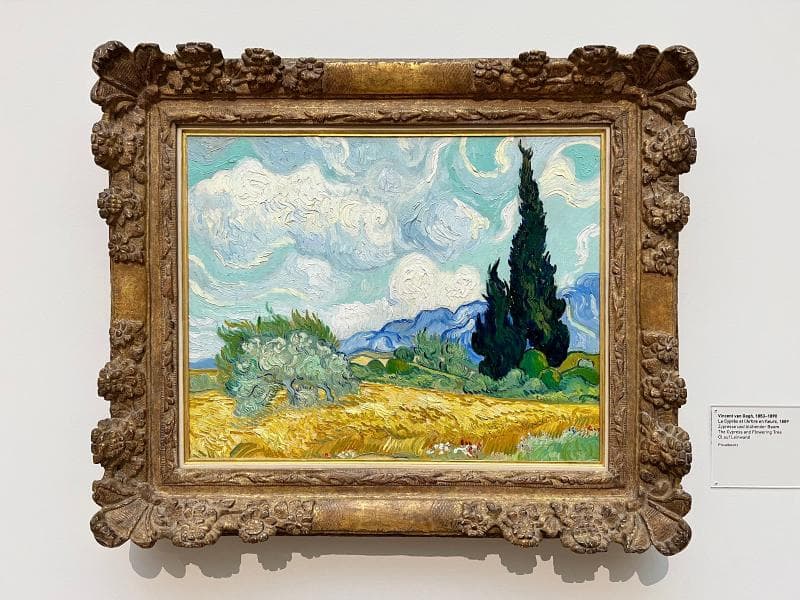
Beyond these highlights, the museum offers a robust survey of French Impressionism and Post-Impressionism, featuring masterpieces by artists such as Monet, Cézanne, Van Gogh, and Renoir. Visitors can also admire significant works by Picasso, Chagall, Beuys, Warhol, Rothko, and innovative installations by contemporary artists like Pipilotti Rist. The recent addition of the Emil Bührle Collection further enriches the museum's offerings in Impressionist and Classical Modernist art.
Architecturally, the Kunsthaus is a dialogue between eras. Karl Moser's neoclassical design from 1910 beautifully complements David Chipperfield's contemporary extension. The new building, clad in local Jurassic limestone, respects Zurich's architectural tradition while presenting a modern, clear geometric volume designed to integrate seamlessly with the urban landscape. A vast, publicly accessible entrance hall within the Chipperfield wing, alongside a serene 'Garden of Art,' and an underground passage connecting the old and new structures, all contribute to a remarkable visitor experience.
Stories, Fun Facts & Local Details
A charming detail from the Kunsthaus's early history reveals the collaborative spirit of its founders: members of the Künstlergesellschaft would contribute their own drawings or works from others to a communal 'Malerbuch' to build the initial collection. The design of the David Chipperfield extension champions sustainability and the direct experience of art, with exhibition spaces thoughtfully designed to maximize natural light, particularly beneficial for viewing large canvases.
For those interested in Zurich's broader cultural narrative, it's worth noting that the Kunsthaus is located in a city rich with artistic heritage. Just a short distance away lies Cabaret Voltaire, the legendary birthplace of the Dada art movement in 1916. Also, a commemorative plaque honors Lydia Escher, a significant Zurich art patron, highlighting the museum's deep ties to local benefactors. The choice of local Jurassic limestone for the Chipperfield extension's facade is a subtle yet meaningful nod to the city's architectural vernacular, ensuring the new building feels intrinsically part of Zurich.
Visitor Perspective
Visiting the Kunsthaus Zurich is an enriching experience designed to be accessible and engaging for all. The museum offers free admission to its permanent collection every Wednesday, providing an excellent opportunity for budget-conscious travelers to explore its treasures. Holders of a ZürichCard also enjoy free access to the collections.
To enhance the journey, audio guides are available for both adults and children, with the children's guide featuring a friendly penguin sign. Families can also take advantage of special workshops and educational programs tailored for younger visitors. For a more serene visit, weekday mornings, particularly Tuesday to Friday before noon, are often the quietest times, allowing for unhurried contemplation of the artworks. The museum is conveniently located and easily reachable via public transport, with tram lines 3, 8, and 9, and bus line 31 stopping directly at 'Kunsthaus.' Guided tours are also offered, allowing visitors to delve deeper into specific periods or collection highlights. With its on-site café and restaurant, the Kunsthaus provides a complete and contemplative cultural outing.
Coordinates: 8.54816, 47.37041
View on Google Maps💬 How Travelers Describe This Place
Based on community votes
Must See
836Beautiful
797Photogenic
695Interesting
396Unique
286
Traveler Stories
Discover memorable experiences shared by travelers who have visited this place.
No traveler stories yet.
Be the first traveler to share what made this place memorable.
Things to see at Kunsthaus Zurich



Tour
By
Spot
Discover amazing places around the world. Your journey starts here.
Explore
© 2026 TourBySpot. All rights reserved.