Knight’s Hall
Copenhagen, Denmark
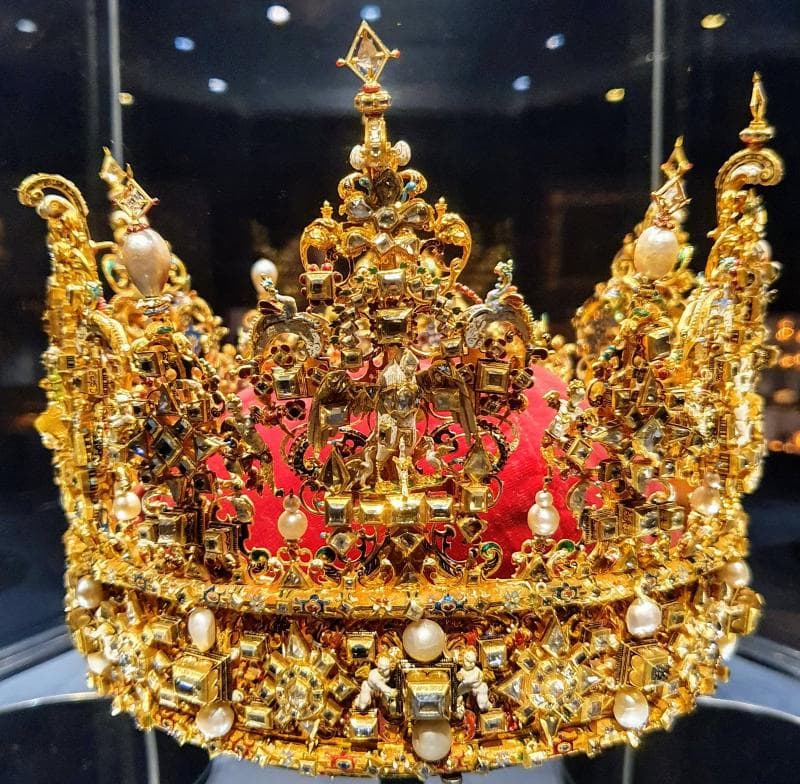
Explore the majestic Knight's Hall inside Rosenborg Castle, Copenhagen, Denmark. Discover royal thrones, silver lions, and historic tapestries.
Overview
Stepping into the Knight’s Hall at Rosenborg Castle is like journeying back in time to the heart of Danish royal history. Located on the third floor of this magnificent Dutch Renaissance castle in Copenhagen, Denmark, the hall is a showcase of regal splendor and historical significance. Originally conceived as a grand ballroom, it later evolved into a principal reception room and banquet hall for the Danish monarchs. Today, it stands as one of the castle's most iconic and impressive spaces, inviting visitors to marvel at centuries of royal heritage.
Rosenborg Castle itself was built by the ambitious King Christian IV between 1606 and 1634, initially as a summer residence, and later transformed into the grand castle we see today. The castle, set within the beautiful King's Garden (Kongens Have), opened to the public as a museum in 1838. It houses an extensive collection of royal artifacts, making it a pivotal site for understanding Denmark's monarchical past.
History & Cultural Background
The room now known as the Knight's Hall was completed in 1624, initially referred to as the Long Hall. Its purpose was to host lavish balls and celebrations, embodying the festive spirit of King Christian IV's court. As the 17th century progressed, its role shifted, becoming a designated royal reception room and venue for grand banquets around the year 1700. It wasn't until the latter half of the 19th century that it officially acquired the evocative name 'Knight's Hall,' reflecting its stately and ceremonial atmosphere.
This space has witnessed pivotal moments in Danish history, from the gathering of royalty and dignitaries to the display of national power. The transformations within the hall mirror the evolving tastes and political landscapes of the Danish monarchy, from the vibrant Renaissance to the grandeur of absolutism. The enduring presence of the royal collections within Rosenborg Castle, including those housed in the Knight's Hall, preserves a tangible link to Denmark's cultural and political narrative spanning over 400 years.
What Makes It Special
The Knight's Hall is an extraordinary chamber filled with symbolic artistry and priceless treasures. Its most striking features are the coronation thrones of Denmark's absolutist kings and queens. The king's throne, notably crafted from narwhal tusk, stands as a unique testament to royal power and prestige. Guarding these thrones are three majestic, life-size silver lions, adding an imposing and unforgettable presence to the room. These silver guardians are not merely decorative; they have historically played a role in royal funerals, emphasizing their deep ceremonial significance.
The walls of the hall are adorned with twelve impressive tapestries, which vividly depict the victories of Christian V in the Scanian War (1675–1679). These historical artworks offer a visual narrative of significant military triumphs. Above, an ornate stucco ceiling, dating from the early 18th century, showcases the Danish Coat of Arms, beautifully encircled by the insignias of the prestigious Orders of the Elephant and Dannebrog. Complementing this are side reliefs illustrating key events from the early reign of Frederik IV, such as the liberation of serfs, and ceiling frescos by Hendrick Krock that represent the Danish Regalia.
Stories, Fun Facts & Local Details
Imagine the rustle of royal gowns and the clinking of glasses echoing through this very hall, which was once the setting for grand balls and stately receptions. The three silver lions guarding the thrones are said to represent the strength and unwavering vigilance of the Danish monarchy. These aren't just static museum pieces; they've been part of significant royal ceremonies for centuries, connecting past and present monarchs to a shared legacy.
Another fascinating detail is the evolution of the hall's name. Originally known as the Long Hall, its renaming to the Knight's Hall in the late 19th century reflects a romanticized view of royal history, evoking images of chivalry and medieval splendor, even though the castle itself is Renaissance in style. While the famous Danish Crown Jewels are housed in secure vaults in the castle's basement, the Knight's Hall proudly displays the coronation thrones, underscoring its role as the ceremonial heart of the Danish kingdom.
Visitor Perspective
For any traveler to Copenhagen, a visit to the Knight's Hall offers a profound glimpse into Denmark's royal past. Ascending to the third floor of Rosenborg Castle, you're immediately struck by the sheer scale and intricate details of the hall. The sheer size of the room, combined with the detailed tapestries and the imposing silver lions, creates a sense of awe and reverence.
Take your time to admire the craftsmanship of the coronation thrones and the narrative woven into the tapestries. The stucco ceiling, with its heraldic symbols, invites contemplation of Denmark's long and proud history. Observing the silver furniture from the 17th century further enhances the immersive experience, allowing you to envision the lavish banquets and important gatherings that once took place here. It's an opportunity to connect with the lives of kings and queens, understanding the weight of their roles through the symbols and artifacts that surrounded them in this truly special place.
Coordinates: 12.57778, 55.68556
View on Google Maps💬 How Travelers Describe This Place
Based on community votes
Interesting
981Photogenic
617Beautiful
565Must See
157Unique
28
Traveler Stories
Discover memorable experiences shared by travelers who have visited this place.
No traveler stories yet.
Be the first traveler to share what made this place memorable.

Tour
By
Spot
Discover amazing places around the world. Your journey starts here.
Explore
© 2026 TourBySpot. All rights reserved.