Klausen Synagogue
Prague, Czech Republic
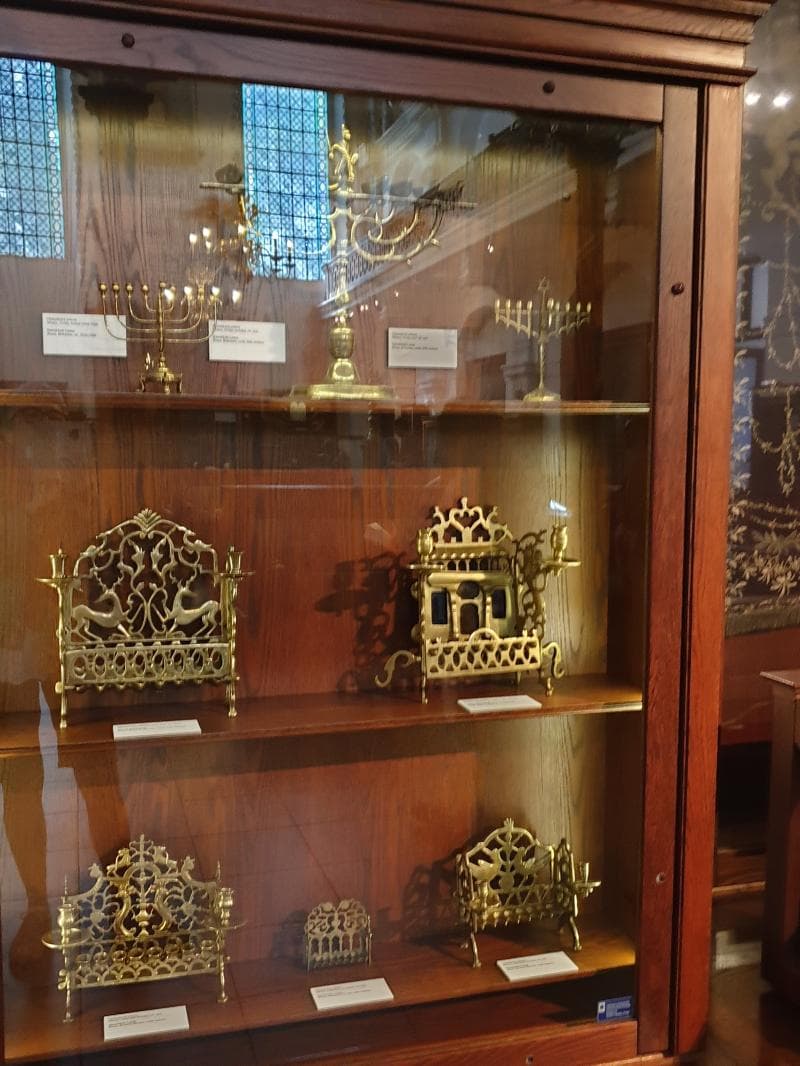
Explore the Klausen Synagogue, Prague's largest preserved Baroque synagogue in the Jewish Quarter, revealing centuries of Jewish history and traditions in the Czech Republic.
Overview
Nestled within Prague's historic Jewish Quarter, Josefov, the Klausen Synagogue stands as a significant landmark, a testament to enduring Jewish heritage in the heart of the Czech Republic. It holds the distinction of being the largest preserved synagogue in what was once the Prague Ghetto and remains the only surviving example of early Baroque synagogue architecture in the area. Today, it forms an integral part of the Jewish Museum in Prague, offering visitors profound insights into Jewish customs and traditions. Situated adjacent to the venerable Old Jewish Cemetery and the Ceremonial Hall, the synagogue's location underscores its historical ties to life cycle events within the community. Currently, the Klausen Synagogue is undergoing extensive renovation, with plans for its grand reopening slated for 2028, promising a refreshed exhibition experience.
History & Cultural Background
The story of the Klausen Synagogue begins in the 16th century, predating the current Baroque structure. On this very site, a complex of three smaller buildings, known as 'Klausen' (from the Latin 'claustrum' meaning 'small building' or 'enclosure'), once stood. These buildings included a synagogue, a hospital with a ritual bath, and crucially, a renowned Talmudic school, a yeshiva, where the legendary Rabbi Judah Loew ben Bezalel – often associated with the Golem of Prague – reportedly taught.
Tragedy struck in 1689 when a devastating fire ravaged the entire Jewish Ghetto, consuming all three original Klausen structures. Undeterred, the Jewish community rallied, and a new synagogue was erected in their place. Completed in 1694, this new house of worship adopted an early Baroque style, thanks to the efforts of Solomon Chalish Kohen, a rabbi from one of the burned-down Klausen. It quickly rose to prominence, becoming the second most important and largest synagogue in the Prague Jewish community, serving as a central hub, including as a prayer house for the Prague Burial Society.
Over the centuries, the synagogue underwent several transformations. A significant reconstruction occurred in the late 19th century, between 1882 and 1883, which saw the main nave and women's gallery enlarged, and stucco decor added, giving the synagogue much of its current architectural character. During World War II, a dark chapter unfolded as the Nazis used the Klausen Synagogue as a storage facility for Jewish artifacts, a grim act that, ironically, led to the preservation of many items. Post-war, the synagogue was restored and became a key component of the Jewish Museum in Prague, housing exhibitions that showcase the rich tapestry of Jewish life.
What Makes It Special
The Klausen Synagogue holds a unique position within Prague's historical landscape for several compelling reasons. Primarily, it is the sole surviving example of an early Baroque synagogue in the former Jewish Ghetto, offering a glimpse into the architectural styles prevalent during its reconstruction after the 1689 fire. Its monumental three-tiered Baroque Holy Ark, installed in 1696, stands as a breathtaking centerpiece, adorned with intricate wood carvings and artificial marble, encapsulating the artistic devotion of the era.
Beyond its architectural grandeur, the synagogue is special for its role as a repository of cultural heritage. As part of the Jewish Museum, it has historically presented insightful exhibitions on Jewish festivals, customs, and the daily life of Jewish families, illustrating the profound significance of the Torah and Talmud, prayer rituals, and traditions associated with life's milestones.
Stories, Fun Facts & Local Details
The Klausen Synagogue is steeped in local lore and fascinating details. Its name itself, derived from 'Klausen' or 'claustrum,' reflects its origins as an enclosed group of small buildings, making it distinct from other synagogues. Perhaps the most captivating connection is to Rabbi Loew (Maharal), the revered 16th-century scholar and mystic, whose association with the site through his Talmudic school adds a layer of legendary intrigue, particularly given his mythical link to the Golem.
Throughout its history, the synagogue has been a witness to resilience. The complete destruction by the 1689 fire, followed by its swift rebuilding, highlights the community's determination. It was once so central to Jewish life that it was considered the second most important synagogue in Prague's Jewish Town. During its operational periods as a museum, visitors could often marvel at a partially unrolled Torah scroll (a copy), offering a rare visual appreciation of Judaism's foundational texts.
Visitor Perspective
For decades, the Klausen Synagogue has been a cornerstone of the Jewish Museum in Prague's visitor circuit, welcoming hundreds of thousands annually. It provided a poignant and educational experience, guiding visitors through the rich tapestry of Jewish life through its exhibitions on weekly services, the Sabbath, and significant festivals. Artifacts such as prayer books, Torah scrolls, ceremonial textiles, and silver decorations offered tangible connections to centuries of tradition. The women's gallery often featured exhibits focusing on the 'Course of Life,' detailing customs surrounding birth, circumcision, bar mitzvahs, weddings, and even funerary practices.
However, prospective travelers should note that as of July 2024, the Klausen Synagogue has temporarily closed its doors for a comprehensive reconstruction project. This significant undertaking aims to prepare the synagogue for a new core exhibition on Jewish customs and traditions. The Jewish Museum in Prague anticipates reopening the synagogue to the public in 2028 at the latest. While currently inaccessible, the future reopening promises an enhanced and even more immersive experience, further solidifying its place as a vital cultural and historical destination within Prague's enchanting Jewish Quarter.
Coordinates: 14.4172, 50.0899
View on Google Maps💬 How Travelers Describe This Place
Based on community votes
Unique
872Beautiful
846Interesting
684Photogenic
363Must See
87
Traveler Stories
Discover memorable experiences shared by travelers who have visited this place.
No traveler stories yet.
Be the first traveler to share what made this place memorable.

Tour
By
Spot
Discover amazing places around the world. Your journey starts here.
Explore
© 2026 TourBySpot. All rights reserved.