Kinetic Installations
Basel, Switzerland
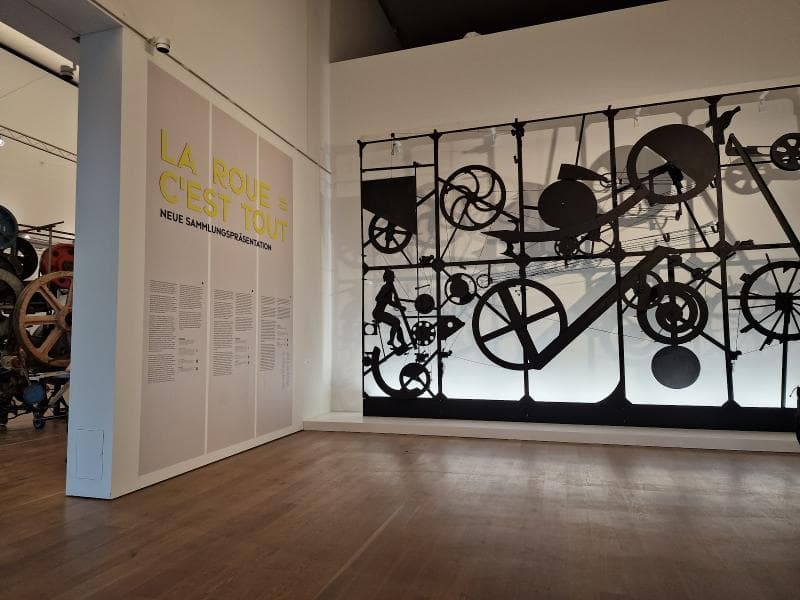
Explore Jean Tinguely's captivating Kinetic Installations at Museum Tinguely in Basel, Switzerland. Discover dynamic sculptures, interactive art, and the playful genius of this Swiss artist.
Overview
The Tinguely Museum in Basel, Switzerland, stands as a vibrant testament to the groundbreaking vision of Jean Tinguely, a Swiss artist who redefined sculpture through motion. Nestled picturesquely on the banks of the Rhine, this unique museum houses the world's largest collection of Tinguely's kinetic installations. These are not static works of art, but rather dynamic machines that whir, clatter, and move, inviting visitors into an interactive experience unlike any other. Opened in 1996, the museum building itself is an architectural marvel designed by Mario Botta, providing a fitting home for Tinguely's playful and often thought-provoking creations.
History & Cultural Background
Jean Tinguely (1925–1991) emerged as a pioneering figure in post-war art, profoundly influencing the kinetic art movement. Born in Fribourg and raised in Basel, Tinguely began experimenting with mechanical sculptures early on, drawing inspiration from Dadaism. His artistic philosophy was a satirical commentary on industrial society, questioning the relentless pursuit of progress and the overproduction of material goods. He crafted his 'metamechanics' from an array of discarded materials—scrap metal, junk, and everyday objects—transforming them into absurd, often non-utilitarian machines that challenged conventional notions of beauty and permanence. The Museum Tinguely was established in 1996, a significant gesture made possible by the pharmaceutical company Roche and a generous donation of over 50 works from Tinguely's second wife and artistic collaborator, Niki de Saint Phalle.
What Makes It Special
What sets Tinguely's kinetic installations apart is their inherent dynamism and interactive nature. Unlike traditional sculptures, these artworks are designed to be experienced with all senses, producing noise, movement, and sometimes even unexpected actions. Visitors are encouraged to engage directly with many pieces, often by pressing a button to activate a cacophony of whirring gears and clanking parts, bringing the machines to life. Tinguely's genius lies in his ability to imbue these seemingly chaotic assemblages with humor, irony, and a critical perspective on technology and consumer culture. His famous 'Méta-Matics', for instance, are drawing machines that produce unique abstract artworks, showcasing his philosophy that art is a process rather than a static product. The museum also features powerful works like the 'Mengele Dance of Death', a somber yet moving installation created from burnt remnants, demonstrating the emotional depth attainable through kinetic art.
Stories, Fun Facts & Local Details
Jean Tinguely's playful spirit extends beyond the museum walls. One of his most celebrated public works in Basel is the 'Carnival Fountain' (Fasnachtsbrunnen) located at Theaterplatz. Created between 1975 and 1977, this beloved landmark features ten water-spouting mechanical figures made from black-painted iron and recycled machine parts, perpetually performing a whimsical dance. Back inside the museum, the interactive 'Méta-Matic No. 17' allows visitors to insert a coin and paper, setting in motion a machine that produces a one-of-a-kind drawing to take home, a direct embodiment of Tinguely's challenge to the artist's monopoly on creation. The 'Mengele Dance of Death' installation, a stark contrast to his more joyful works, was born from a lightning strike that destroyed a farmhouse near his studio, leading him to salvage the charred remains and create a deeply resonant work from destruction. Tinguely's collaborative spirit was also notable, particularly his partnership with his second wife, the equally renowned artist Niki de Saint Phalle, whose colorful 'Nanas' can also be found in Solitude Park surrounding the museum.
Visitor Perspective
A visit to the Kinetic Installations at the Tinguely Museum is a truly immersive and multi-sensory journey. It is a place where art comes alive, sparking joy and inspiration in people of all ages. The vibrant sounds of clanking, whirring, and grinding, combined with the unpredictable movements of the sculptures, create an engaging atmosphere that encourages curiosity and active participation. Many of the machines can be activated by visitors, offering a hands-on experience of Tinguely's artistic vision. This accessibility, often appealing to children experiencing art for the first time, underscores Tinguely's belief in art as a process and a shared experience. The museum successfully awakens a playful desire to engage with art and ponder the nature of creativity, making it a memorable and enriching destination in Basel.
Coordinates: 7.612185, 47.559182
View on Google Maps💬 How Travelers Describe This Place
Based on community votes
Beautiful
996Unique
726Interesting
717Photogenic
335Must See
193
Traveler Stories
Discover memorable experiences shared by travelers who have visited this place.
No traveler stories yet.
Be the first traveler to share what made this place memorable.

Tour
By
Spot
Discover amazing places around the world. Your journey starts here.
Explore
© 2026 TourBySpot. All rights reserved.