Keizersgracht
Amsterdam, Netherlands
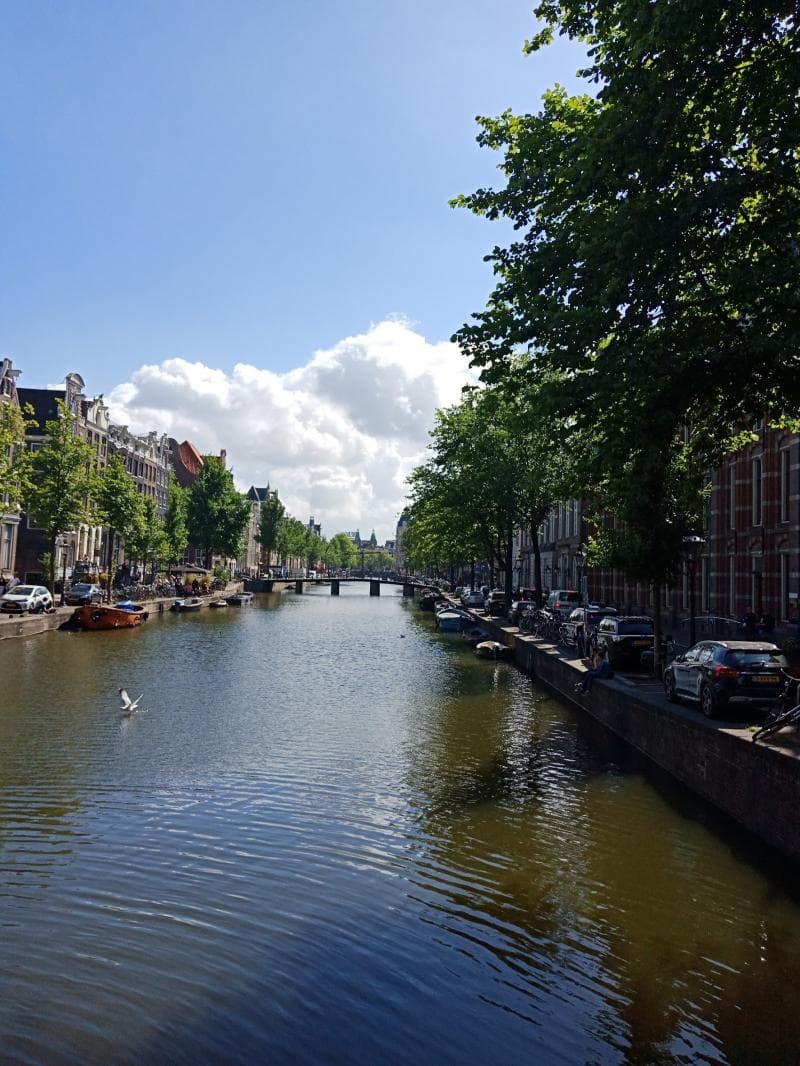
Explore Amsterdam's Keizersgracht, the widest canal in the historic Canal Ring, known for its Golden Age mansions and rich cultural heritage.
Overview
The Keizersgracht, or 'Emperor's Canal', stands as a majestic ribbon of water weaving through the heart of Amsterdam's historic Canal Ring, a UNESCO World Heritage site. It is the central of the three main canals, nestled gracefully between the more inner Herengracht and the outer Prinsengracht. Named in honor of Holy Roman Emperor Maximilian I, this impressive waterway is renowned for being the widest canal in central Amsterdam, spanning approximately 28.31 meters. Its banks are lined with an extraordinary collection of monumental 17th-century merchant houses, showcasing the architectural splendor of the Dutch Golden Age. To stroll or glide along the Keizersgracht is to step into a living museum, where every building and bridge tells a story of trade, ambition, and cultural richness.
History & Cultural Background
The story of the Keizersgracht begins in the early 17th century, as Amsterdam embarked on an ambitious expansion project. The initial digging of the first section, between Brouwersgracht and approximately Leidsegracht, commenced in the summer of 1615. Interestingly, early city planners debated creating a wide boulevard without water, much like The Hague's Lange Voorhout. However, this idea was abandoned, largely because prospective residents desired direct boat access to their properties and the city faced a shortage of infill material.
The canal's construction continued in phases; the section between Leidsegracht and the Amstel river, part of Amsterdam's fourth expansion, began in 1663, with both parts finally connected in 1667. The Keizersgracht quickly became a prestigious address, attracting wealthy merchants and city regents who built grand homes, many of which remain today. While the neighboring Herengracht was strictly residential, the Keizersgracht allowed for a vibrant mix of living and commerce, contributing to Amsterdam's flourishing Golden Age.
What Makes It Special
What truly sets the Keizersgracht apart is its distinctive grandeur. As the widest canal in the inner city, it offers expansive views of its elegant brick architecture, often reflected in its calm waters. This sense of space, coupled with the sheer number of preserved 17th-century facades, creates an unparalleled atmosphere of historical charm. The canal is a focal point of the UNESCO-listed Canal Belt, symbolizing Amsterdam's urban planning genius and economic prosperity during its Golden Age.
Beyond its visual appeal, the Keizersgracht plays a unique role in local life. In winter, when temperatures drop sufficiently, it is traditionally designated as the primary canal for ice skating, transforming into a festive frozen thoroughfare where locals and visitors alike can partake in the joyous 'Keizersrace' sprint. This tradition highlights the canal's deep integration into the city's identity, offering a magical experience distinct from other waterways.
Stories, Fun Facts & Local Details
The Keizersgracht is rich with fascinating tales and landmarks. At Keizersgracht 123 stands the 'House with the Heads', nicknamed for the six sculpted Roman gods adorning its facade. Legend has it that these were the heads of robbers thwarted by a heroic kitchen maid, though they actually represent deities like Apollo and Diana.
Further along, at Keizersgracht 44, are the historic Greenland Warehouses, distinctive for their step gables. These buildings once stored whaling products, including thousands of liters of whale blubber in their basements, a testament to Amsterdam's maritime past.
The canal also bears witness to significant moments in history and human rights. At Keizersgracht 529, John Adams established the first American-owned embassy in the world in 1782, seeking loans for the fledgling United States. Nearby, at Keizersgracht 102, the 'Rode Hoed' (Red Hat) operated as a clandestine church, offering refuge to Remonstrant worshippers during times of religious persecution.
A poignant landmark is the Homomonument, located near the Westerkerk on the Keizersgracht side. This monument, the first of its kind in the world, commemorates all gay and lesbian individuals persecuted during World War II and those still facing persecution today.
Even the arts found an early home here; Keizersgracht 384 was the site of Amsterdam's first actors' theatre in 1637, featuring impressive stage mechanics before it tragically burned down in 1772. Today, the canal still runs through the charming '9 Streets' (Negen Straatjes) area, known for its unique boutiques and cafes, offering a delightful detour for exploration.
Visitor Perspective
Experiencing the Keizersgracht is an essential part of any visit to Amsterdam. Whether you choose to wander its tree-lined banks, admire the intricate gables and historic doors, or embark on a leisurely canal cruise, the canal offers a captivating journey through time. The sheer density of national heritage sites—over 500 along this canal alone—ensures a visual feast at every turn.
From the grandeur of Museum Van Loon, a 17th-century canal house turned museum, to the contemporary exhibitions at Foam, a renowned photography museum, the Keizersgracht caters to diverse interests. It's a place where history feels alive, where the stories of wealthy merchants, hidden churches, and pioneering cultural institutions are etched into the very fabric of the city. The tranquil beauty and architectural splendor of the Keizersgracht offer a truly immersive and reflective experience for any curious traveler.
Coordinates: 4.89517, 52.37022
View on Google Maps💬 How Travelers Describe This Place
Based on community votes
Photogenic
639Unique
421Interesting
366Must See
298Beautiful
212
Traveler Stories
Discover memorable experiences shared by travelers who have visited this place.
No traveler stories yet.
Be the first traveler to share what made this place memorable.

Tour
By
Spot
Discover amazing places around the world. Your journey starts here.
Explore
© 2026 TourBySpot. All rights reserved.