Kayaking Routes
Marseille, France
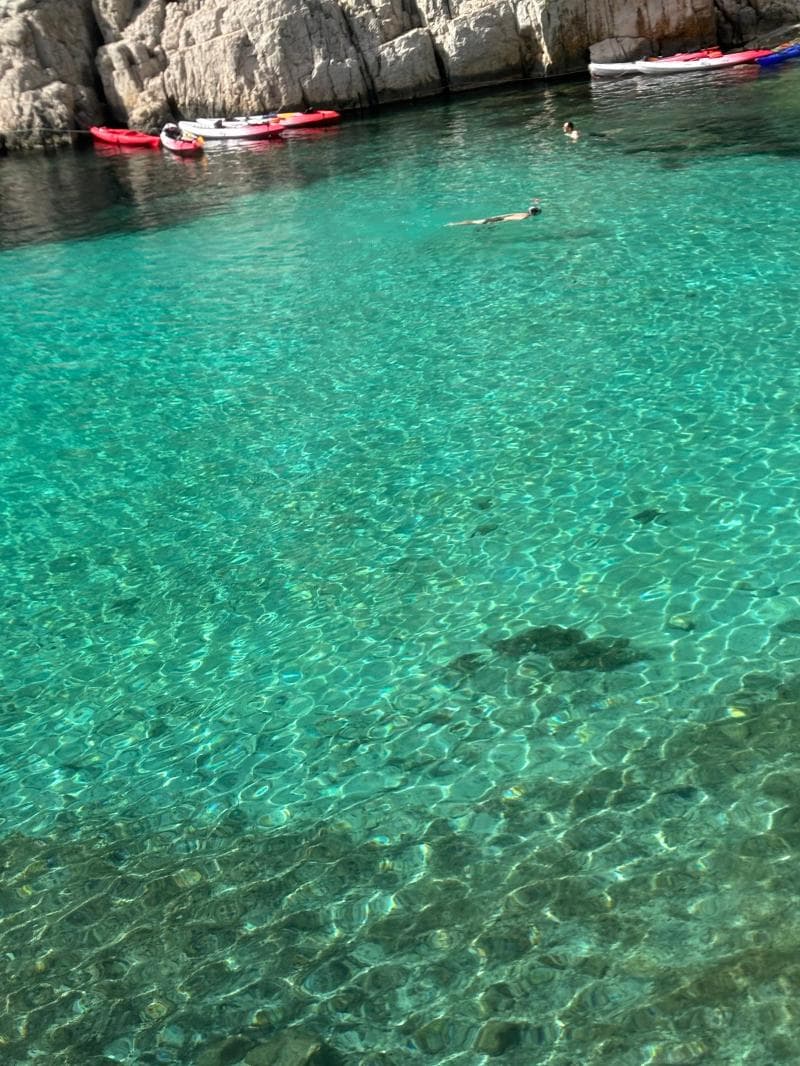
Explore Kayaking Routes in Calanques National Park, Marseille, France. Discover stunning cliffs, turquoise waters, and hidden coves by kayak.
Overview
Embarking on a kayaking adventure through the Calanques National Park, nestled between the vibrant city of Marseille and the charming town of Cassis in Southern France, offers an unparalleled experience of natural beauty. This protected area is renowned for its 'calanques' – breathtaking narrow inlets carved into towering white limestone cliffs, plunging dramatically into the Mediterranean's crystalline turquoise waters. Kayaking provides an intimate perspective, allowing paddlers to glide silently across the sea, exploring hidden coves, sea caves, and secluded beaches often inaccessible by land or larger vessels. It's an active and environmentally friendly way to immerse oneself in this striking coastal landscape, often referred to as the 'Marseille fjords' due to their dramatic resemblance.
History & Cultural Background
The Calanques are a testament to millions of years of geological evolution. Formed from ancient sediment, the white urgonian limestone that characterizes the massif dates back 80 million years to the Mesozoic era. Over millennia, a river system carved deep valleys into this limestone, and during the last sea-level rise, the Mediterranean submerged these ancient river mouths, creating the distinct, fjord-like inlets we see today. Human presence in this dramatic landscape is ancient, with traces dating back to the Paleolithic period. The most striking evidence is the Cosquer Cave, discovered in 1991, which lies 37 meters below sea level and houses prehistoric paintings of terrestrial and marine animals, a fascinating glimpse into early human life here. The region also boasts a history of traditional fishing, with old fishermen's cabins, known as 'cabanons', still visible in some calanques. The struggle to preserve this unique natural heritage began as early as 1923, culminating in the establishment of Calanques National Park on April 18, 2012, to protect its exceptional biodiversity and landscapes.
What Makes It Special
What truly sets kayaking in the Calanques apart is the freedom and intimacy it offers with nature. Unlike crowded boat tours, a kayak allows for a quiet, personal exploration of the coastal wonders, reducing environmental impact. Paddlers can navigate into narrow passages, discover hidden grottos, and land on secluded beaches for a refreshing swim in impossibly clear waters. Iconic calanques like En-Vau, Port-Pin, and Port-Miou become personal discoveries rather than distant viewpoints. The towering limestone cliffs provide dramatic backdrops, their sheer scale making kayakers feel small against nature's grandeur. The park's marine area is a treasure trove of biodiversity, with Posidonia meadows acting as vital nurseries for marine fauna, and opportunities to spot diverse bird species nesting in the cliffs. This direct engagement with the environment fosters a deep connection to this extraordinary Mediterranean ecosystem.
Stories, Fun Facts & Local Details
The Calanques are steeped in local charm and intriguing facts. The term 'calanque' itself is rooted in old Provençal, meaning 'small rocky cove' with a Ligurian suffix referring to a steep slope, perfectly encapsulating their unique geography. Beyond its dramatic cliffs, the park holds secrets like the Cosquer Cave, whose submerged entrance is a direct consequence of rising sea levels since the last ice age, preserving ancient artwork that includes penguins and seals. A delightful, if unexpected, local detail is the occasional sighting of wild pigs enjoying a swim and sunbathe in the beautiful Calanque d'En-Vau, just like human visitors. The traditional 'cabanons' found in calanques like Sormiou and Morgiou are remnants of a bygone era, once serving fishermen and now cherished as rustic retreats, adding to the cultural tapestry of the region. These small details weave a rich narrative around the natural splendor, making a visit here not just scenic, but also culturally resonant.
Visitor Perspective
For those eager to paddle the Calanques, preparation is key. Kayaking tours typically depart from Marseille (e.g., Pointe Rouge or Les Goudes) or Cassis (e.g., Port-Miou beach), with routes varying in duration from half-day explorations to full-day adventures. While suitable for various fitness levels, some routes can be strenuous, especially crossing open water to reach the park's heart, so a minimum level of fitness is beneficial. Always check weather conditions before heading out, as strong winds can quickly change sea conditions. Essential gear includes swimwear, sun protection (hat, sunglasses, sunscreen), sturdy closed-toe water shoes, plenty of water (at least 1.5 liters per half-day), and a waterproof container for personal belongings, often provided by rental services. Guided tours are available, offering safety, local insights, and historical context from experienced guides. Disembarking is generally allowed on beaches, but rules apply, and it's vital to respect the protected environment by taking all waste ashore and keeping a respectful distance from wildlife.
Coordinates: 5.467, 43.217
View on Google Maps💬 How Travelers Describe This Place
Based on community votes
Photogenic
996Must See
953Beautiful
658Interesting
585Unique
69
Traveler Stories
Discover memorable experiences shared by travelers who have visited this place.
No traveler stories yet.
Be the first traveler to share what made this place memorable.

Tour
By
Spot
Discover amazing places around the world. Your journey starts here.
Explore
© 2026 TourBySpot. All rights reserved.