Kaminarimon Gate
Tokyo, Japan
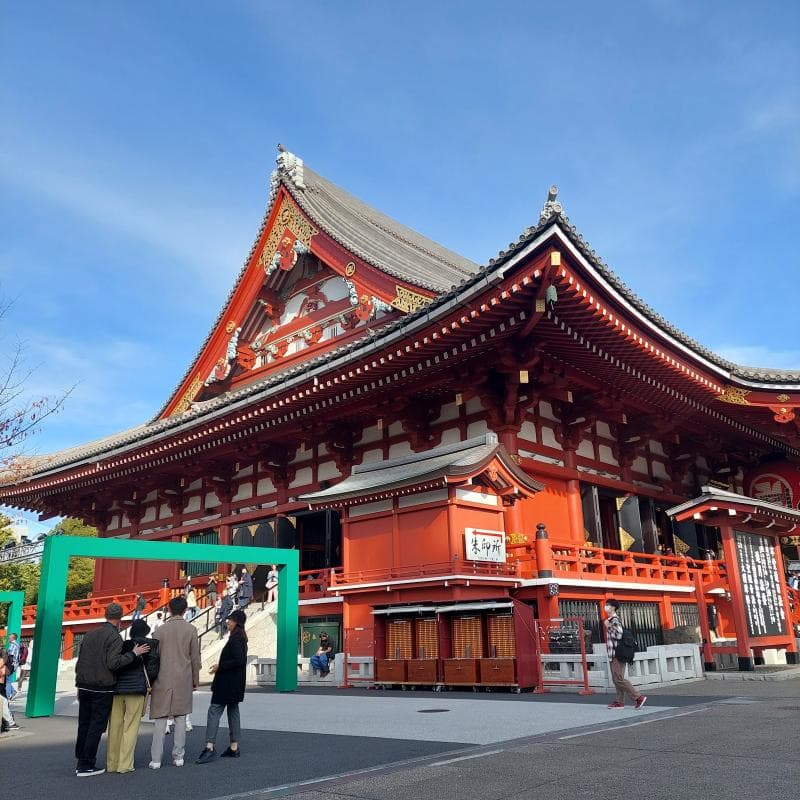
Discover Tokyo's iconic Kaminarimon Gate in Asakusa, the majestic entrance to Senso-ji Temple. Learn about its rich history, guardian deities, and the famous red lantern in Tokyo, Japan.
Overview
Stepping through the Kaminarimon Gate is like opening the first page of a captivating story, leading you from the bustling modern streets of Tokyo into the timeless spiritual heart of Asakusa. As the iconic main entrance to Senso-ji Temple, Tokyo's oldest Buddhist temple, the Kaminarimon, or 'Thunder Gate,' stands as a magnificent red gateway, instantly recognizable and deeply symbolic of Japan's rich cultural heritage. It is a celebrated landmark, drawing millions of visitors annually who come to admire its imposing structure, the vibrant giant red lantern, and the formidable guardian deities that flank its passage. This gate isn't merely an architectural marvel; it represents a transition, a threshold between the mundane and the sacred, setting the tone for the profound historical and cultural experience that awaits within the Senso-ji complex.
History & Cultural Background
The story of Kaminarimon is one of resilience and rebirth, echoing the enduring spirit of Tokyo itself. The gate was first established in 942 AD by the military commander Taira no Kinmasa, who donated it to the province of Musashi, the old name for the area now encompassing northern Tokyo. Initially, the gate was situated further south in the Komagata district, before being relocated to its current prominent position at the entrance of Senso-ji Temple around 1635. Throughout its long history, the Kaminarimon has faced numerous challenges, succumbing to devastating fires in 1639, 1757, and 1865, a common fate for wooden structures in historic Edo (Tokyo). Each time, it rose from the ashes, a testament to the community's unwavering devotion. The current structure, which visitors see today, dates from 1960. Its reconstruction was made possible through a generous donation from Konosuke Matsushita, the revered founder of Matsushita Electric Industrial Company, now known as Panasonic. While popularly known as Kaminarimon, its formal and longer name is Furaijinmon, meaning 'Gate of the Wind God and Thunder God,' a title reflecting the protective deities enshrined within its facade.
What Makes It Special
What truly distinguishes Kaminarimon Gate are its intricate details and symbolic elements, each telling a part of its rich narrative.
- The Giant Red Lantern: At the very heart of the gate hangs a colossal red chōchin lantern, an undeniable focal point. Standing 3.9 meters tall, measuring 3.3 meters wide, and weighing approximately 700 kilograms, it is an awe-inspiring sight. The lantern is expertly crafted by specialist artisans in Kyoto, featuring a spiral bamboo frame covered with hundreds of sheets of paper. This unique construction allows it to be collapsed for special occasions. The front proudly displays the gate's common name, 'Kaminarimon,' while the reverse bears its official name, 'Furaijinmon.' Just beneath the lantern, one can discover an intricate wooden carving of a dragon, a meaningful detail connecting to the temple's founding legend. This iconic lantern is a symbol of gratitude and tradition, being remade roughly every decade, with continuous funding provided by Panasonic.
- The Guardian Deities: The gate is flanked by a quartet of powerful statues. On the front, facing outward, are the Shinto gods Fujin (the God of Wind) on the right and Raijin (the God of Thunder) on the left. These formidable figures are believed to protect the temple from natural disasters like storms and floods, and historically, they were also invoked to ensure bountiful harvests. After passing through the gate, visitors will find two more Buddhist deities facing inward: Tenryu (Heavenly Dragon) and Kinryu (Golden Dragon). These water dragon spirits serve as additional protectors, guarding the temple from the threat of fire. The artistry of these statues, particularly the front two, represents a blend of Edo and Meiji period craftsmanship, featuring historical heads restored onto new bodies.
Stories, Fun Facts & Local Details
The Kaminarimon Gate is steeped in fascinating stories and local traditions that add layers of meaning to its grandeur. One captivating detail is the dragon carving found at the base of the giant lantern. This intricate piece is said to enshrine a dragon associated with the founding legend of Senso-ji Temple. According to the legend, when two fishermen brothers discovered the Kannon statue in the Sumida River, a golden-scaled dragon reputedly emerged from the water, signifying the auspicious nature of the discovery. Another interesting feature related to the lantern is its collapsible design. During the annual Sanja Matsuri, one of Tokyo's most vibrant festivals, the massive lantern is carefully lifted and folded upwards. This allows the large portable shrines, known as mikoshi, to pass through the gate as part of the lively procession, demonstrating how functionality and tradition intertwine. The gate's enduring image has made it a cultural icon, frequently depicted in traditional Japanese art forms like ukiyo-e prints, and its likeness can be found on countless souvenirs and tourist brochures throughout Japan.
Visitor Perspective
For any traveler to Asakusa, the Kaminarimon Gate serves as the grand prelude to the entire Senso-ji experience. It is freely accessible at all times, making it a perfect spot for both early morning tranquility and atmospheric evening visits when the gate is beautifully illuminated. Most visitors spend approximately 10 to 20 minutes at the gate itself, admiring its architecture and capturing photographs, though many find themselves lingering longer, drawn into the captivating details. Upon passing through the Kaminarimon, you immediately step onto Nakamise-dori, a bustling 250-meter-long shopping street. This vibrant avenue is lined with stalls offering traditional snacks, crafts, and souvenirs, providing a sensory delight as you make your way toward the Hozomon Gate and the main temple grounds. The gate's convenient location is just a short walk from Asakusa Station, served by the Tokyo Metro Ginza Line, Toei Asakusa Line, and Tobu Railway, making it easily reachable from anywhere in Tokyo. Whether you are a history enthusiast, a culture seeker, or simply a curious traveler, Kaminarimon Gate offers a memorable entry point into a world where ancient traditions and contemporary life harmoniously coexist.
Coordinates: 139.7967, 35.7101
View on Google Maps💬 How Travelers Describe This Place
Based on community votes
Interesting
958Beautiful
743Unique
719Photogenic
382Must See
176
Traveler Stories
Discover memorable experiences shared by travelers who have visited this place.
No traveler stories yet.
Be the first traveler to share what made this place memorable.

Tour
By
Spot
Discover amazing places around the world. Your journey starts here.
Explore
© 2026 TourBySpot. All rights reserved.