Kalemegdan Park
Belgrade, Serbia
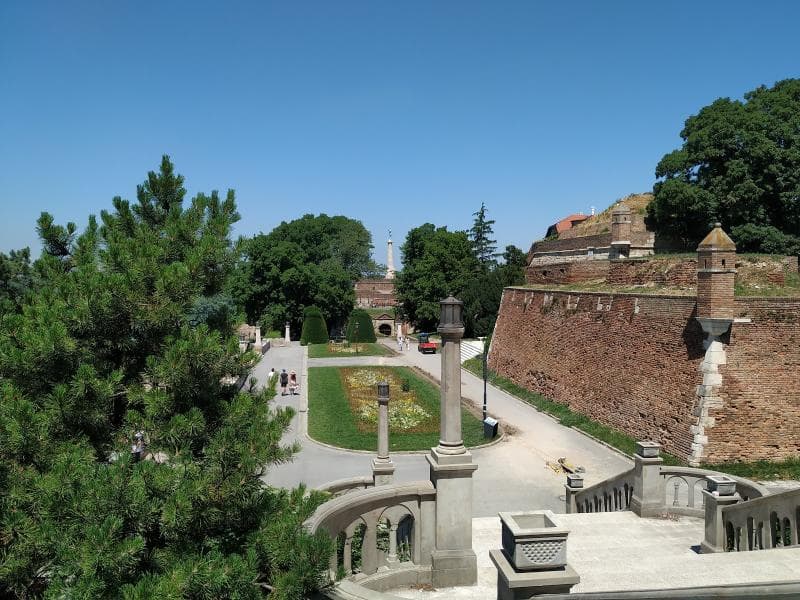
Explore Kalemegdan Park, the largest park in Belgrade, Serbia, nestled within the historic Belgrade Fortress, offering rich history and stunning river views.
Overview
Perched majestically at the confluence of the Sava and Danube rivers, Kalemegdan Park is more than just a green space; it is the verdant heart of Belgrade, Serbia, enveloping the formidable Belgrade Fortress. This expansive park, the largest in the city, offers breathtaking panoramic views of the two major European rivers meeting, alongside the captivating Great War Island. Often mistakenly referred to as Kalemegdan Fortress, the park itself is an integral part of this monumental complex, declared a cultural monument of exceptional importance in 1979. It serves as a living chronicle of Belgrade's turbulent past and vibrant present, blending natural beauty with millennia of history.
Kalemegdan, derived from the Turkish words 'kale' (fortress) and 'meydan' (square or field), was historically an open military ground used by the Ottoman army. Today, it offers a serene escape, inviting visitors to wander through its meticulously maintained paths, discover various monuments, museums, and enjoy its unique blend of nature and heritage.
History & Cultural Background
The history of Kalemegdan and Belgrade Fortress dates back to ancient times, with archaeological findings suggesting human habitation since the Neolithic period. Its strategic location, atop a 125-meter-high cliff, made it a coveted site for various empires. The Romans established a legionary fortress here in the 1st century AD, naming the settlement Singidunum, which became a vital part of the Roman Empire's military frontier. Over centuries, the fortress was repeatedly built, destroyed, and rebuilt by Romans, Byzantines, Serbs, Ottomans, and Austro-Hungarians, each leaving their indelible mark.
The transformation of the former military field into Kalemegdan Park began after the Ottoman army's final departure from Belgrade in 1867. The vision of Belgrade's first trained urbanist, Emilijan Josimović, initiated the landscaping efforts in 1869. The park, as we largely know it today, took shape between the two World Wars, with significant additions like the Grand Staircase designed by Aleksandar Krstić and the Small Staircase by Serbia's first female architect, Jelisaveta Načić.
What Makes It Special
Kalemegdan Park's allure lies in its unparalleled fusion of historical depth and natural splendor. It is a place where every path tells a story, and every viewpoint offers a moment of reflection. The park is home to a rich tapestry of flora, boasting over 3,400 individual trees from 80 different species, providing a lush green sanctuary within the bustling city.
Beyond its botanical richness, Kalemegdan integrates several cultural and artistic attractions. Visitors can explore the Military Museum, housing a vast collection of artifacts, or admire the Monument of Gratitude to France, symbolizing the enduring friendship between the two nations. The Cvijeta Zuzorić Art Pavilion hosts various exhibitions, making the park a dynamic hub for art lovers.
One of its most iconic features is the 'Victor' monument (Pobednik), a powerful symbol of Belgrade, overlooking the confluence of the Sava and Danube rivers. This monument, created by sculptor Ivan Meštrović, commemorates Serbian victories and stands as a testament to the city's resilience.
Stories, Fun Facts & Local Details
The name Kalemegdan itself is a fun fact, reflecting its historical role as a 'fortress field' for the Ottoman military. For centuries, this area was a buffer zone between the fortress and civilian settlements, a neglected strip of land that eventually blossomed into the beautiful park we see today.
Locals often simply refer to the entire Belgrade Fortress complex as Kalemegdan, highlighting the park's central role in the city's identity, even though the park occupies a smaller, younger portion of the ancient fortifications.
The park is a vibrant hub of activity for Belgraders. From open-air concerts and theater performances to sports events and art exhibitions, it is a gathering place for all ages. Children can enjoy playgrounds, including one near the Cvijeta Zuzorić Art Pavilion that resembles a ship. In winter, younger generations even enjoy skiing and sleighing on its slopes. You might even spot some friendly squirrels, eager for a snack!
In a nod to adapting to climate change, Kalemegdan even saw the planting of its first Chinese windmill palm trees in 2020, adding a touch of the exotic to its diverse plant life.
Visitor Perspective
For visitors, Kalemegdan Park offers a journey through time and a feast for the senses. Entry to the park and many of its outdoor areas is free, making it an accessible attraction for everyone. It is recommended to dedicate at least half a day to explore its vastness, wearing comfortable shoes to navigate the varied terrain, including cobblestones and slopes within the fortress.
The numerous viewpoints, especially around the Victor monument, are perfect for witnessing spectacular sunsets over the Sava-Danube confluence, offering incredible photographic opportunities. Beyond the historical structures, visitors can find peaceful promenades, quaint cafes, and often street performers, adding to the lively atmosphere. Whether you are a history buff, a nature enthusiast, or simply seeking a tranquil retreat with stunning vistas, Kalemegdan Park provides a memorable experience that captures the soul of Belgrade.
Coordinates: 20.45072, 44.82221
View on Google Maps💬 How Travelers Describe This Place
Based on community votes
Photogenic
1.0kUnique
869Must See
416Interesting
309Beautiful
33
Traveler Stories
Discover memorable experiences shared by travelers who have visited this place.
No traveler stories yet.
Be the first traveler to share what made this place memorable.

Tour
By
Spot
Discover amazing places around the world. Your journey starts here.
Explore
© 2026 TourBySpot. All rights reserved.