Jim Thompson House
Bangkok, Thailand
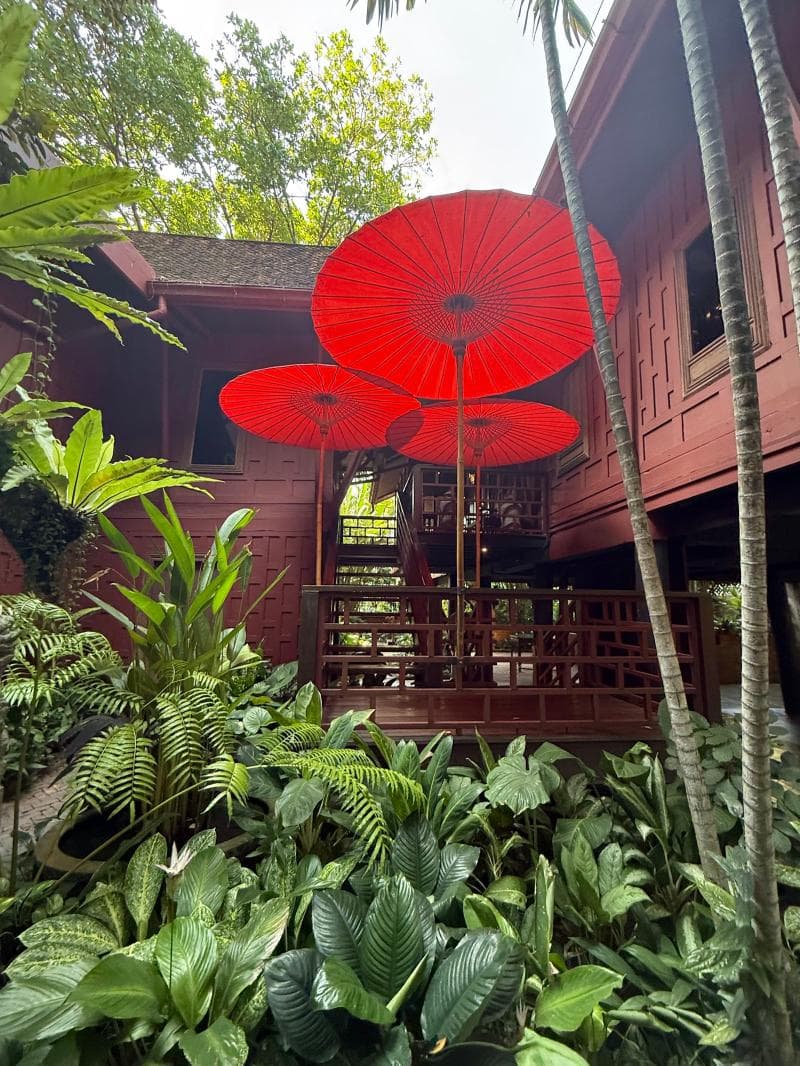

Explore the Jim Thompson House in Bangkok, Thailand, a museum showcasing traditional Thai architecture, Asian art, and the mysterious story of the 'Thai Silk King'.
Overview
Nestled amidst the bustling cityscape of Bangkok, Thailand, the Jim Thompson House stands as a verdant oasis and a testament to the vision of an extraordinary American entrepreneur. This museum is the former home of James Harrison Wilson Thompson, widely known as the 'Thai Silk King,' who played a pivotal role in revitalizing Thailand's silk industry in the mid-20th century. The complex itself is an architectural marvel, comprising six traditional Thai-style teakwood houses, meticulously reassembled by Thompson in 1959. More than just a residence, it houses Thompson's extensive collection of Southeast Asian art, offering visitors a unique glimpse into both traditional Thai living and the rich cultural heritage of the region.
History & Cultural Background
Jim Thompson, an American architect and former intelligence officer with the OSS (the precursor to the CIA), arrived in Thailand during World War II. Enchanted by the country's vibrant culture, he chose to settle in Bangkok after the war, dedicating himself to the struggling local silk industry. His discerning eye and entrepreneurial spirit transformed Thai silk from a fading craft into a globally recognized luxury product, earning him international acclaim. Beyond his business acumen, Thompson was an ardent collector of Asian art. He embarked on an ambitious project in the late 1950s, acquiring several antique Thai houses from various provinces, including Ayutthaya. These structures, some dating back to the 19th century, were carefully dismantled, transported to his plot alongside Bangkok's Saen Saep canal, and then reassembled to form his unique residence. This act not only created his home but also preserved invaluable examples of traditional Thai architecture.
What Makes It Special
The Jim Thompson House is celebrated for several distinctive features. Its architecture is a stunning representation of traditional Thai design, characterized by intricate wooden carvings, gabled roofs, and elevated structures built on stilts. These stilts served practical purposes, offering protection from floods and promoting natural ventilation in the tropical climate. A remarkable detail is that these traditional teakwood houses were constructed without the use of nails, relying instead on precisely interlocking wood joinery, showcasing ancient craftsmanship. Inside, the house serves as a living museum for Thompson's eclectic and significant art collection. This includes historical Buddhist statues, traditional Thai paintings on wood, cloth, and paper, exquisite 16th and 17th-century Chinese porcelain, Burmese carvings, and other Southeast Asian artifacts. Among its treasures is an 1,100-year-old headless Buddha statue, a highlight of the collection. Surrounding the houses are tranquil tropical gardens, providing a peaceful escape from the city's hustle and bustle and enhancing the serene atmosphere of the property.
Stories, Fun Facts & Local Details
Perhaps the most compelling story associated with the Jim Thompson House is the enduring mystery of its owner's disappearance. On Easter Sunday, March 26, 1967, Jim Thompson vanished without a trace while on a vacation walk in the Cameron Highlands of Malaysia. Despite extensive search efforts involving hundreds of people, his fate remains unknown to this day, fueling numerous theories ranging from accidental death to kidnapping or espionage. This unsolved mystery adds an enigmatic layer to his legacy. A curious local detail is a Thai horoscope that reportedly predicted misfortune for Thompson in 1967, the very year of his disappearance. Thompson's architectural background is evident in the thoughtful blend of Thai traditions and subtle Western comforts within his home, such as the innovative inclusion of an indoor bathroom. His passion for Thai culture extended to selecting an auspicious day for moving into his house, based on astrological advice.
Visitor Perspective
For visitors, the Jim Thompson House offers a captivating cultural experience. Access to the main house is exclusively through mandatory guided tours, ensuring an informative journey through Thompson's life and collection. These tours are available in several languages, including Thai, English, French, Chinese, and Japanese. The museum operates daily from 10:00 AM to 5:00 PM, with the last guided tour commencing at 5:00 PM. An adult admission fee of 250 baht applies, with free entry for children under 10 years of age when accompanied by an adult. Photography is generally not permitted inside the main house to preserve the artifacts and ensure a focused tour experience. The house is conveniently located in central Bangkok and can be easily reached via the BTS Skytrain; visitors should alight at National Stadium station (Exit 1) and follow a short walk. For a more tranquil visit, it is often recommended to arrive early on weekdays or during the cooler months between November and February. The Jim Thompson House provides a serene and insightful escape, transporting visitors to a bygone era of Thai artistry and a fascinating personal story.
Coordinates: 100.5237, 13.7428
View on Google Maps💬 How Travelers Describe This Place
Based on community votes
Beautiful
981Unique
617Interesting
357Photogenic
147Must See
28
Traveler Stories
Discover memorable experiences shared by travelers who have visited this place.
No traveler stories yet.
Be the first traveler to share what made this place memorable.
Things to see at Jim Thompson House



Tour
By
Spot
Discover amazing places around the world. Your journey starts here.
Explore
© 2026 TourBySpot. All rights reserved.