Jewelry Shops
Florence, Italy
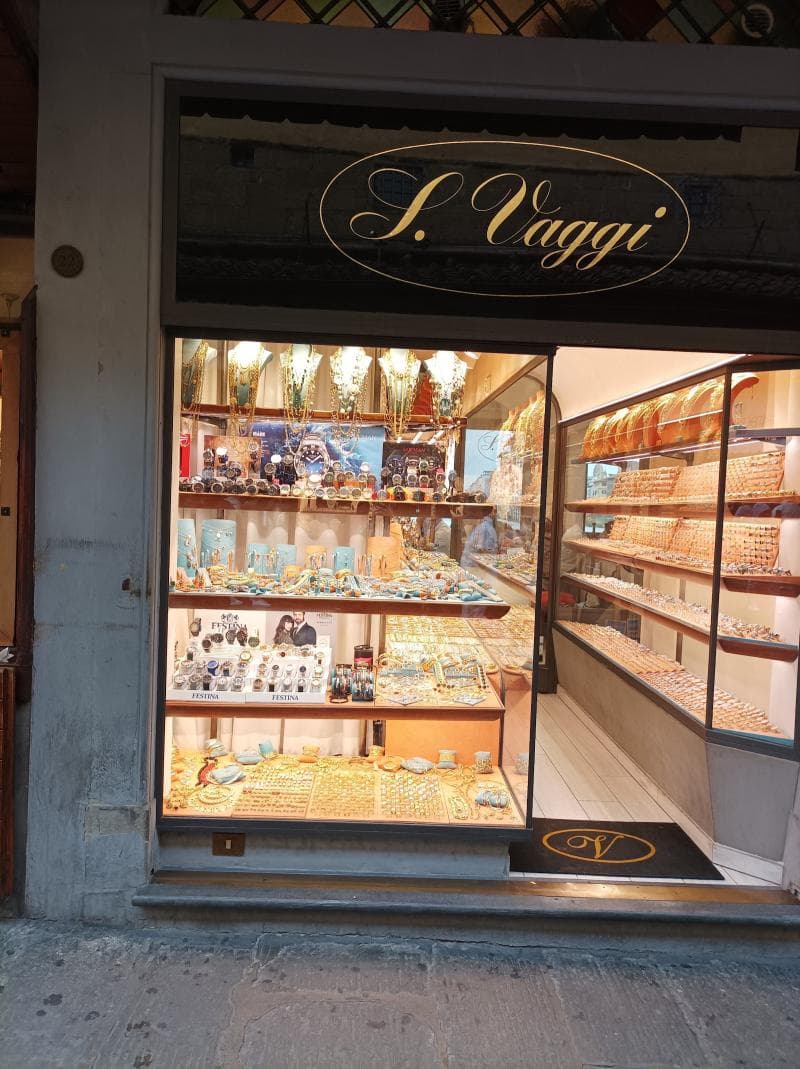
Discover the historic jewelry shops of Ponte Vecchio in Florence, Italy. Explore centuries of Florentine goldsmith tradition and unique craftsmanship.
Overview
Stepping onto Ponte Vecchio in Florence, Italy, is to walk through centuries of history, with its most dazzling feature being the array of jewelry shops that line its sides. This iconic medieval bridge, spanning the Arno River, is not merely a crossing point but a vibrant marketplace and a testament to Florentine craftsmanship. Unlike many bridges worldwide, Ponte Vecchio boasts a unique architectural design where shops are built directly into its structure, creating a picturesque, enclosed street over the water. Today, it is globally renowned as a prime destination for exquisite gold and silver jewelry, drawing countless visitors seeking beauty and history in equal measure.
History & Cultural Background
The history of Ponte Vecchio dates back to Roman times, with various iterations of the bridge being swept away by the Arno's floods over the centuries. The current structure, characterized by its innovative three-arch design, was rebuilt in 1345, possibly by Taddeo Gaddi or Neri di Fioravanti. Initially, the shops lining the bridge housed various trades, including butchers, fishmongers, and tanners. These trades found the river convenient for disposing of waste, which, predictably, led to unpleasant smells. However, a significant transformation occurred in the late 16th century. In 1565, Cosimo I de' Medici commissioned Giorgio Vasari to build the Vasari Corridor, an elevated private passageway connecting the Palazzo Vecchio to the Palazzo Pitti, passing directly above the eastern side of Ponte Vecchio.
The presence of this private corridor, frequently used by the Medici family, made the stench from the butchers intolerable. Consequently, in 1593, Grand Duke Ferdinando I de' Medici issued a decree banishing the butchers and tanners from the bridge, allowing only goldsmiths and jewelers to occupy the shops. This decision was aimed at enhancing the bridge's prestige and creating a more refined atmosphere for the ruling family's passage. This pivotal moment solidified Ponte Vecchio's identity as a hub for fine jewelry, a tradition that has continued uninterrupted for over four centuries.
What Makes It Special
The jewelry shops of Ponte Vecchio are special not only for their historic location but also for the enduring tradition of Florentine goldsmithery they represent. Many of these shops are family-owned, with craftsmanship and techniques passed down through generations, often retaining ancient workshops within their premises. The architecture itself is unique; the 'overhanging' wooden structures of the shops, known as 'retrobotteghe,' extend out over the river, adding to the bridge's distinctive charm and allowing for more selling space.
Visitors can find an extraordinary range of items, from classic and contemporary designs to pieces inspired by Florence's rich artistic heritage. The focus is often on 18-karat gold, adorned with precious and semi-precious stones, reflecting a dedication to quality and artistry. The 'Made in Florence' label on jewelry from Ponte Vecchio carries a significant reputation for high quality and artisanal excellence.
Stories, Fun Facts & Local Details
Ponte Vecchio holds several captivating stories. Perhaps the most remarkable is its survival during World War II. While all other bridges in Florence were destroyed by the retreating German army in August 1944, Ponte Vecchio was miraculously spared. Legend suggests this was due to an explicit order from Adolf Hitler himself, who was reportedly captivated by its beauty during a prior visit, or the intervention of German consul Gerhard Wolf.
Another fascinating detail is the ancient sundial located on one of the shop roofs at the bridge's center, which has marked the hours for centuries. In recent times, the tradition of placing 'love locks' on the bridge became popular among couples, though this practice is now prohibited and punishable by fines due to the potential for structural damage. A bronze bust of Florentine goldsmith Benvenuto Cellini stands at the center of the bridge, placed in 1901, serving as a tribute to the bridge's long association with master jewelers.
Visitor Perspective
For visitors, a stroll across Ponte Vecchio is an immersive experience. The bridge is a pedestrian-only thoroughfare, often bustling with people admiring the sparkling window displays. Even if luxury shopping isn't the primary goal, the sheer visual spectacle of dozens of glittering jewelry shops, set against the backdrop of the Arno River, is captivating. Looking out from the central open sections of the bridge provides iconic views of the river and the city, embodying the essence of Florence's romantic and artistic spirit. It's a place where the past and present of Florentine artistry converge, offering a unique blend of cultural heritage and exquisite craftsmanship.
Coordinates: 11.25316, 43.76799
View on Google Maps💬 How Travelers Describe This Place
Based on community votes
Unique
791Interesting
514Beautiful
457Must See
252Photogenic
207
Traveler Stories
Discover memorable experiences shared by travelers who have visited this place.
No traveler stories yet.
Be the first traveler to share what made this place memorable.

Tour
By
Spot
Discover amazing places around the world. Your journey starts here.
Explore
© 2026 TourBySpot. All rights reserved.