Japanese Tea House
Munich, Germany
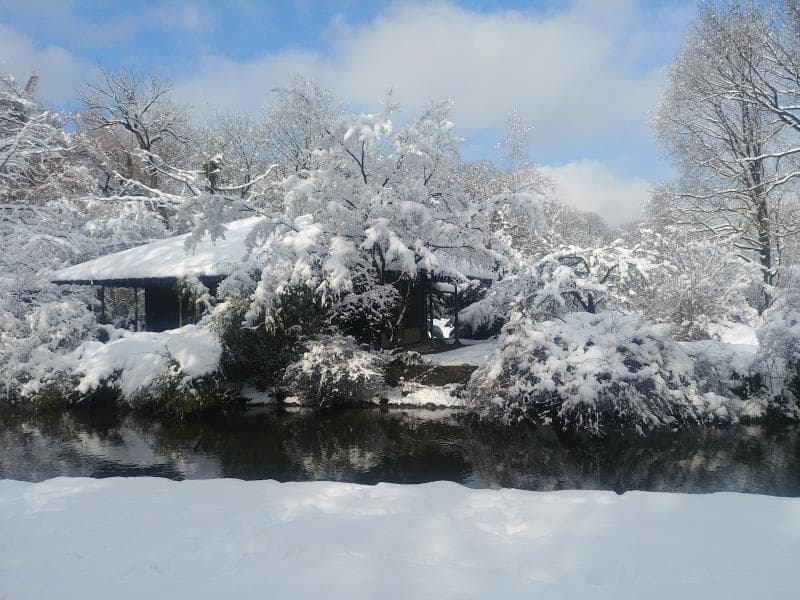
Discover Munich's Japanese Tea House (Kanshoan) in the English Garden, a tranquil cultural oasis offering authentic tea ceremonies.
Overview
Nestled within the expansive greenery of Munich's English Garden, travelers can discover a tranquil and culturally rich sanctuary: the Japanese Tea House, known locally as Kanshoan. This distinctive structure, situated on a serene artificial island in the Schwabinger Bach, offers an unexpected yet harmonious blend of Bavarian landscape and traditional Japanese aesthetics. It serves as a unique cultural meeting point, providing a genuine immersion into the art of the Japanese tea ceremony.
The Japanese Tea House stands as a testament to international friendship and cultural exchange. It is a place designed not merely for observation, but for participation in the contemplative practice of Chanoyu, the Way of Tea, offering visitors a moment of profound peace amidst the bustling city.
History & Cultural Background
The story of Munich's Japanese Tea House began in 1972, a significant year for the city as it hosted the Summer Olympics. To commemorate this international event and foster goodwill, the Tea House was presented as a gift to Bavaria. It was donated by the esteemed Urasenke tea school in Kyoto, Japan, and the city of Sapporo, symbolizing a strong bond of friendship between Japan and Germany.
The Urasenke tea school's intention was to introduce and promote the sophisticated 'tea path' to the German populace, thereby enriching cultural understanding. The structure itself, designed by Soshitsu Sen (the head of the Urasenke tea school) and Mitsuo Nomura, was carefully placed on an artificial island created in 1969, perfectly integrating traditional Japanese garden elements into the larger English Garden landscape.
What Makes It Special
What truly sets the Japanese Tea House apart is its authentic design and its role as a living cultural center. This isn't merely a decorative building; it's a meticulously crafted space dedicated to the practice of the traditional Japanese tea ceremony. The Tea House is surrounded by an idyllic Japanese garden, complete with a pond and rock garden, which enhances the sense of tranquility and provides a picturesque setting for contemplation.
The presence of such a deeply traditional Japanese site within a European-style landscape garden like the English Garden creates a fascinating contrast and a truly unique experience. It offers a rare opportunity in Germany to witness and partake in the intricate rituals of Chanoyu, where every gesture and object holds symbolic meaning, transforming the act of drinking tea into an art form.
Stories, Fun Facts & Local Details
Beyond its regular tea ceremonies, the Japanese Tea House comes alive each year with the annual Japan Festival. Typically held on the third Sunday of July, this vibrant event transforms the area around the Tea House into a hub of Japanese culture, featuring music, performances, and a lively atmosphere. It's a wonderful chance for locals and visitors alike to experience a broader spectrum of Japanese traditions right in the heart of Munich.
The Tea House is maintained by an association comprising both German and Japanese members of the Urasenke tea school, highlighting the ongoing spirit of cultural exchange and collaboration that brought it into existence. This dedicated stewardship ensures the authenticity and continued vitality of the tea ceremonies. Visitors often remark on the unexpected harmony of finding such a pocket of serene Japanese culture amidst the sprawling Bavarian park, making it a truly memorable discovery.
Visitor Perspective
For the curious traveler, visiting the Japanese Tea House offers a journey into quiet reflection. Traditional tea ceremonies are regularly demonstrated from April to October, providing a meditative experience where the rhythmic preparation and serving of matcha tea guides participants toward inner peace. These demonstrations typically last an hour and include a small sweet and a bowl of tea, offering a sensory and spiritual engagement.
While reservations are generally not possible for individual visitors due to limited capacity, groups may arrange special appointments. The Tea House's location behind the Haus der Kunst in the English Garden makes it easily accessible, allowing visitors to combine a cultural interlude with their exploration of one of Munich's most beloved green spaces. It's advisable to check the current schedule for public demonstrations to plan your visit and ensure this unique cultural encounter.
Coordinates: 11.58588278, 48.14536583
View on Google Maps💬 How Travelers Describe This Place
Based on community votes
Photogenic
989Must See
791Interesting
613Beautiful
514Unique
207
Traveler Stories
Discover memorable experiences shared by travelers who have visited this place.
No traveler stories yet.
Be the first traveler to share what made this place memorable.

Tour
By
Spot
Discover amazing places around the world. Your journey starts here.
Explore
© 2026 TourBySpot. All rights reserved.