Jade Emperor Statue
Ho Chi Minh City, Vietnam
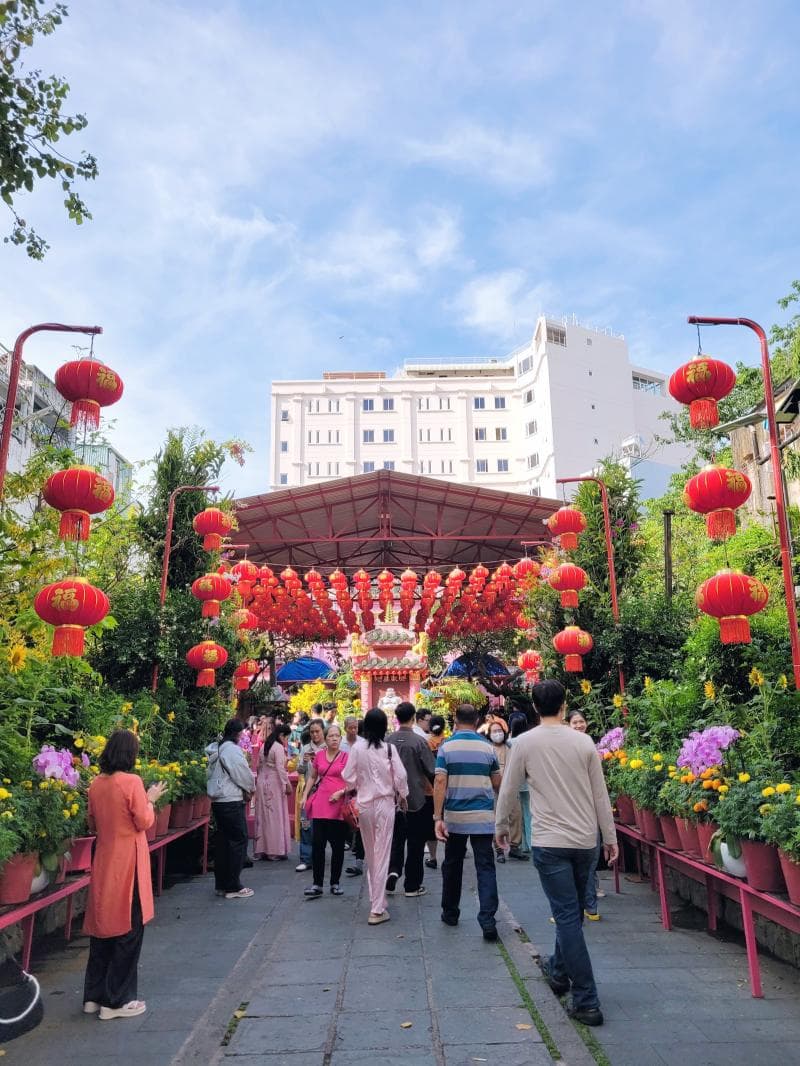
Discover the majestic Jade Emperor Statue within the historic Jade Emperor Pagoda in Ho Chi Minh City, Vietnam. Explore its rich Taoist and Buddhist heritage.
Overview
Nestled amidst the vibrant pulse of Ho Chi Minh City, Vietnam, the Jade Emperor Pagoda, locally known as Chùa Ngọc Hoàng or Phước Hải Tự, stands as a profound spiritual sanctuary. Built in 1909 by Chinese immigrants, this atmospheric temple is a captivating blend of Taoist, Buddhist, and Confucian influences. Its allure lies in its intricate architecture, the heavy, spiritual scent of incense, and a rich collection of statues depicting mythical figures and deities. The pagoda gained international attention following a visit by former U.S. President Barack Obama in 2016, cementing its status as a must-visit cultural landmark in the city.
At its spiritual heart resides the majestic Jade Emperor Statue, a central figure within the main hall. This prominent deity is not merely an artistic masterpiece but represents the supreme Taoist god, overseeing the heavens, earth, and the destinies of all beings. The pagoda offers a serene escape from the urban bustle, inviting visitors to immerse themselves in its tranquil and deeply reverent atmosphere.
History & Cultural Background
The Jade Emperor Pagoda was established in the early 20th century, specifically in 1909, by a Cantonese merchant named Luu Minh (also known as Liu Daoyuan or Lưu Đạo Nguyên). A man of diverse spiritual beliefs, he sought to create a place of worship for both Buddha and the Jade Emperor, reflecting a syncretic approach to religion. Its original name, Ngọc Hoàng Điện, translates to 'Jade Emperor Hall.' The pagoda's design is a testament to cultural fusion, expertly combining traditional Chinese architectural elements with subtle Vietnamese influences.
While initially rooted in Taoist traditions, the pagoda's governance transitioned in 1982 when the revered Buddhist monk Thich Vinh Khuong took over its management. This led to its formal integration into the Vietnam Buddhist Association, and in 1984, it was officially renamed Phước Hải Tự, meaning 'Sea of Blessing Temple' or 'Luck Sea Temple.' In recognition of its unique artistic and historical value, the pagoda was designated a national architectural monument in 1994, ensuring its preservation for future generations.
What Makes It Special
The Jade Emperor Pagoda stands out for its exceptional spiritual and artistic richness. Central to its identity is the magnificent Jade Emperor Statue, often gilded, which dominates the main sanctuary. This isn't just a statue; it embodies Ngoc Hoang Thuong De, the paramount deity in Taoism, believed to govern all aspects of existence—from celestial realms to human fates. Worshippers believe he holds the ultimate judgment, deciding who ascends to heaven and who descends to hell. The Jade Emperor is typically flanked by his formidable guardians, known as the Four Big Diamonds (Tu Dai Kim Cuong), said to be as unyielding as their namesake.
Beyond the central figure, the pagoda is an immersive sensory experience. The air is thick with the 'pungent smoke of incense,' creating a mystical ambiance that subtly shrouds the exquisite woodcarvings and intricate details. The temple houses hundreds of statues and figurines, many crafted from reinforced papier-mâché, depicting a pantheon of Taoist and Buddhist figures. Visitors can explore the dramatic 'Ten Courts of Hell,' a series of carved wooden panels vividly illustrating the karmic punishments awaiting wrongdoers. Other notable shrines include the Hall of the Goddess Kim Hoa, revered as the goddess of fertility, and the serene Guanyin Shrine, dedicated to the Goddess of Mercy.
Stories, Fun Facts & Local Details
The Jade Emperor Pagoda is a vibrant repository of local beliefs and traditions. One of its most poignant areas is the shrine dedicated to Kim Hoa Thanh Mau, the Goddess of Fertility, and her 12 midwives. Childless couples frequently visit this shrine to offer prayers for conception, often engaging in specific rituals such as touching the statue of the goddess or tying red threads to symbolize their wish for a child. For instance, some seeking a son might hang a red thread on the right statue, while those desiring a daughter do so on the left, often rubbing their stomach three times, then the children's statue, and then their stomach again.
A memorable moment in the pagoda's recent history was the unexpected visit by then-U.S. President Barack Obama in 2016. This spontaneous detour brought the ancient temple into the global spotlight, highlighting its cultural significance. Outside the main structure, the pagoda's courtyard features a tranquil fish pond and a turtle pond. Locals often release turtles into the latter, believing this act brings good karma and symbolizes longevity. Furthermore, an important annual event is the ceremony dedicated to the Jade Emperor, held on the 9th day of the first lunar month, attracting a multitude of devotees seeking blessings.
Visitor Perspective
For the curious traveler, a visit to the Jade Emperor Pagoda offers a profound cultural immersion. Entry to the pagoda is free, though voluntary donations are greatly appreciated and contribute to its upkeep. To fully appreciate the serene ambiance and avoid the largest crowds and the midday heat, it is often recommended to visit during the early morning or late afternoon.
As a sacred site, respectful attire is essential; visitors should ensure their shoulders and knees are covered. The constant burning of incense creates a powerful and distinctive aroma throughout the pagoda, which can be quite strong. Those sensitive to smoke might find it helpful to bring a mask or scarf. For those wishing to participate in the spiritual practices, incense sticks, glass candles, and various offerings are readily available for purchase near the temple's entrance, allowing visitors to engage in the full ritual experience. The pagoda provides a peaceful respite, allowing one to reflect and connect with Vietnam's rich spiritual heritage away from the city's vibrant energy.
Coordinates: 106.6978889, 10.7917111
View on Google Maps💬 How Travelers Describe This Place
Based on community votes
Beautiful
995Interesting
839Must See
603Unique
388Photogenic
289
Traveler Stories
Discover memorable experiences shared by travelers who have visited this place.
No traveler stories yet.
Be the first traveler to share what made this place memorable.

Tour
By
Spot
Discover amazing places around the world. Your journey starts here.
Explore
© 2026 TourBySpot. All rights reserved.