Interior Frescoes
Nice, France
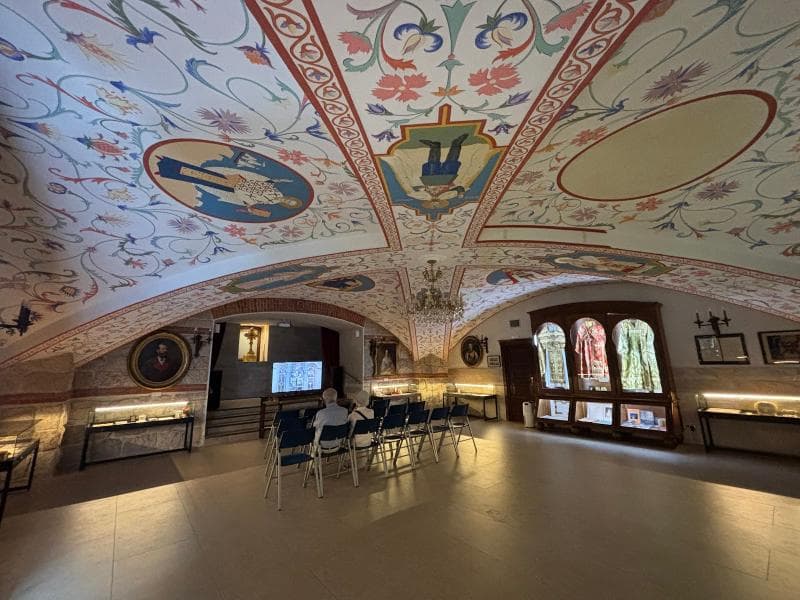
Discover the stunning interior frescoes of Cathédrale Saint-Nicolas De Nice, France. Explore rich Orthodox art, history, and cultural splendor.
Overview
Stepping into the Cathédrale Saint-Nicolas De Nice, nestled in the heart of Nice, France, is like being transported to a different world, a slice of Imperial Russia on the Côte d'Azur. This magnificent Russian Orthodox cathedral, the largest of its kind in Western Europe, is an architectural marvel both inside and out. While its iconic onion domes and vibrant exterior capture immediate attention, it is within its walls that the true artistic treasures lie, particularly in its breathtaking interior frescoes. These elaborate murals, alongside a wealth of icons and intricate woodwork, create an immersive and spiritually rich atmosphere that speaks volumes about the cathedral’s deep cultural and historical significance.
The frescoes are not merely decorative elements; they are integral to the Orthodox tradition, narrating biblical stories and presenting figures of reverence, all designed to inspire devotion and contemplation. Visitors are often captivated by the sheer opulence and detail, from the vibrant colors to the delicate brushstrokes, each telling a part of a larger sacred narrative. It is a place where art, history, and faith converge, offering a profound experience for any curious traveler.
History & Cultural Background
The presence of the Cathédrale Saint-Nicolas in Nice is a testament to the strong historical ties between the Russian aristocracy and the French Riviera. Beginning in the mid-19th century, Nice became a favored winter retreat for the Russian nobility, including the imperial family. This growing community necessitated a place of worship, leading to the construction of a smaller church in 1859. However, as the Russian population in Nice continued to swell, a grander cathedral was envisioned.
Tragedy also played a role in its genesis. The premature death of Tsarevich Nicholas Alexandrovich, son of Emperor Alexander II, in Nice in 1865, prompted the construction of a memorial chapel on the site. It was near this very spot that the plans for the current cathedral began to materialize. Commissioned by Tsar Nicholas II, the cathedral was built between 1903 and 1912, designed by Russian architect Mikhaïl Préobrajenski, and inspired by the traditional Moscow churches. The interior frescoes, created towards the completion of the cathedral, reflect this rich heritage, combining traditional Orthodox iconography with the artistic sensibilities of the early 20th century. Its classification as a French national monument further underscores its cultural importance.
What Makes It Special
The interior frescoes of Cathédrale Saint-Nicolas are a highlight of its opulent interior, distinguishing it as a unique artistic and spiritual landmark. What makes them truly special is their blend of traditional Orthodox symbolism with a distinct artistic flair. The cathedral's interior is renowned for its richly adorned surfaces, where frescoes contribute significantly to the overall grandeur, presenting a comprehensive visual theology.
Specifically, the central dome is adorned with intricate paintings depicting biblical figures and stories, drawing the eye upwards in contemplation. The pillars and vaults are painted in a captivating palette of pale blue, yellow, and purple, featuring motifs that subtly incorporate elements of Art Nouveau and Art Deco styles, a unique stylistic fusion for an Orthodox church. These murals, described as 'floral interlacing,' were meticulously crafted at the time of the cathedral's completion, demonstrating a high degree of artistic mastery and a deep understanding of the spiritual narratives they convey. After extensive renovations, these forgotten frescoes have been meticulously revived, restoring their original vibrancy and impact. This intricate artistry, combined with the cathedral's extraordinary iconostasis of carved wood, bronze, and chiseled copper, creates an unparalleled sacred space.
Stories, Fun Facts & Local Details
One fascinating aspect of the Cathédrale Saint-Nicolas is the story embedded within its very construction and decoration. The sheer scale and lavishness of the project underscore the significant wealth and influence of the Russian community in Nice at the turn of the 20th century. Imagine the master artists and artisans, likely brought directly from Russia, working to translate the spiritual heart of their homeland onto the walls and ceilings of this foreign land.
The blend of artistic styles in the frescoes, with subtle hints of Art Nouveau amidst traditional Orthodox forms, speaks to a period of artistic transition and the desire to create something both deeply traditional and uniquely beautiful for its time. It's a 'fun fact' in itself that such a prominent example of Russian religious art stands proudly in a Mediterranean city, a testament to global historical connections. The cathedral effectively functions as a cultural embassy, showcasing Russian artistic and spiritual traditions thousands of miles from Moscow.
Visitor Perspective
For visitors, exploring the interior frescoes of the Cathédrale Saint-Nicolas offers a truly memorable experience. Upon entering, one is immediately struck by the serene and awe-inspiring atmosphere. The rich, enveloping colors of the murals, the glint of gold from the iconostasis, and the soft light filtering through create a sense of peace and wonder. Many travelers describe being 'transported' by the beauty and exoticism of the interior, finding it a profoundly moving experience.
It's important to remember that this is an active place of worship. While photography might be restricted in certain areas or during services, taking the time to simply absorb the artistry and spiritual ambiance is highly recommended. Dress respectfully, and be mindful of ongoing services, as visits are prohibited during these times. Allowing yourself to slowly take in the intricate details of each fresco, understanding their narrative significance, transforms a simple visit into a journey through history, art, and faith. It's a chance to witness a remarkable piece of Russian heritage preserved and celebrated in the heart of Nice.
Coordinates: 7.25389, 43.70389
View on Google Maps💬 How Travelers Describe This Place
Based on community votes
Interesting
791Photogenic
514Unique
457Beautiful
252Must See
19
Traveler Stories
Discover memorable experiences shared by travelers who have visited this place.
No traveler stories yet.
Be the first traveler to share what made this place memorable.

Tour
By
Spot
Discover amazing places around the world. Your journey starts here.
Explore
© 2026 TourBySpot. All rights reserved.