Interior Frescoes
Almaty, Kazakhstan
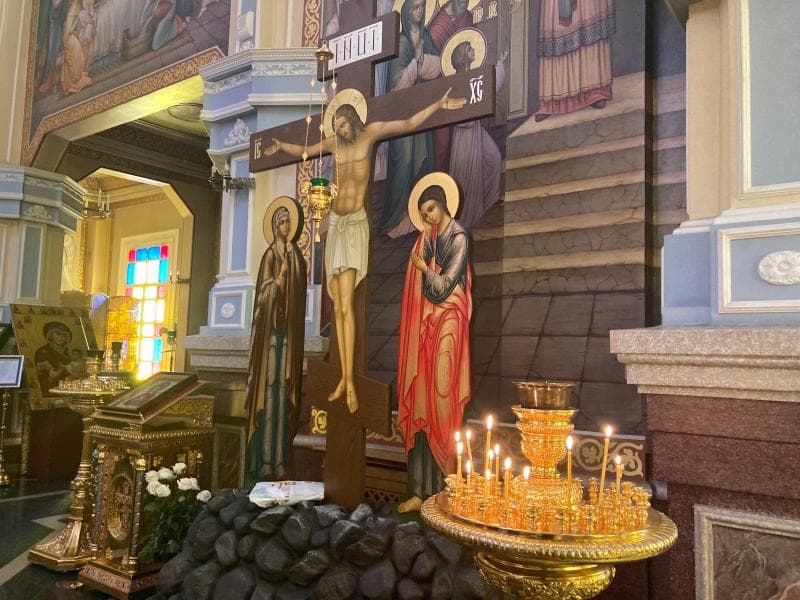
Discover the stunning Interior Frescoes of Ascension Cathedral in Almaty, Kazakhstan. Explore vibrant biblical murals and Orthodox artistry.
Overview
Stepping into the Ascension Cathedral in Almaty, Kazakhstan, is to enter a world where vibrant colors and intricate details tell stories spanning centuries. While the cathedral's wooden exterior is famed for its earthquake-resistant design and construction without nails, it's the interior frescoes that truly captivate, inviting visitors into a sacred space adorned with profound artistry. These stunning murals, depicting biblical scenes and a multitude of saints, transform the wooden walls into a vivid tapestry of faith and history. The artistry within reflects the rich spiritual heritage of Russian Orthodox Christianity, meticulously preserved and restored, offering a unique glimpse into a bygone era of craftsmanship.
History & Cultural Background
The Ascension Cathedral, also known as Zenkov Cathedral, was constructed between 1904 and 1907 in what was then Verny, now Almaty. The interior decorations, including the vibrant frescoes, were largely crafted in the esteemed art workshops of Moscow and Kyiv, bringing a touch of imperial Russian artistic grandeur to Central Asia. A significant portion of the iconostasis and interior paintings are attributed to the renowned Russian artist and painter Nikolay Khludov. These frescoes have silently witnessed significant historical shifts, from the Russian Empire to the Soviet era and the independence of Kazakhstan. During the Soviet period, the cathedral faced closure and repurposing, serving at times as a museum and even housing the first radio transmitters in Almaty, yet its interior artistic integrity, including many of its early 20th-century decorations, managed to endure. The cathedral's interior, therefore, represents not just religious devotion but also a remarkable resilience against the tides of history.
What Makes It Special
The interior frescoes of the Ascension Cathedral are special for several compelling reasons. Primarily, their historical authenticity and artistic quality are exceptional. They are not merely decorative elements but serve as visual narratives, illustrating biblical tales and the lives of saints with intense detail and rich coloration. The fact that these original early 20th-century artworks survived the devastating 1911 earthquake—which severely damaged many other structures in the city—is remarkable, a testament to both the cathedral's ingenious flexible construction and the durability of the art itself. Furthermore, the frescoes underwent meticulous restoration in 2017, ensuring their original splendor is maintained for contemporary and future generations. The combined effect of these historical layers and artistic brilliance creates an atmosphere of profound reverence and cultural significance.
Stories, Fun Facts & Local Details
One fascinating aspect of the frescoes and the cathedral's interior is their survival through an eventful past. During the Soviet era, when the cathedral was used for secular purposes, these sacred images were often covered or ignored, yet they remained, waiting for a time when they could once again inspire spiritual reflection. The vibrant colors, particularly the blues and crimsons, used by Khludov in his depiction of biblical scenes, are said to glow under the natural light filtering through the cathedral's windows, creating a truly ethereal experience. It's a place where the air itself seems to carry echoes of Slavonic hymns and whispered prayers, connecting visitors to a continuous chain of faith and cultural expression. The interior is a powerful symbol of cultural diversity and religious coexistence in Kazakhstan, a country with a significant Orthodox Christian minority living alongside a Muslim majority.
Visitor Perspective
For the curious traveler, a visit to the interior frescoes of the Ascension Cathedral is an immersive cultural and spiritual journey. Upon entering, one is greeted by the expansive wooden space, made even more awe-inspiring by the detailed artwork adorning the walls and ceilings. Take a moment to stand in the central nave and gaze upward to appreciate the scale and artistry of the massive dome and its suspended chandeliers, surrounded by vibrant historic frescoes. The serene atmosphere, combined with the visual storytelling of the frescoes, offers a peaceful retreat and a deep connection to Orthodox traditions. Visitors are encouraged to observe quiet respect, as the cathedral is an active place of worship. The intricate gold-leaf decoration and embedded precious stones within the iconostasis, complementing the frescoes, catch the light beautifully, enhancing the spiritual ambiance. It's an opportunity to witness a living piece of history and art, a testament to endurance and faith in the heart of Almaty.
Coordinates: 76.9532, 43.2588
View on Google Maps💬 How Travelers Describe This Place
Based on community votes
Photogenic
542Interesting
516Unique
326Must See
247Beautiful
171
Traveler Stories
Discover memorable experiences shared by travelers who have visited this place.
No traveler stories yet.
Be the first traveler to share what made this place memorable.

Tour
By
Spot
Discover amazing places around the world. Your journey starts here.
Explore
© 2026 TourBySpot. All rights reserved.