Inner Courtyard
Hamburg, Germany
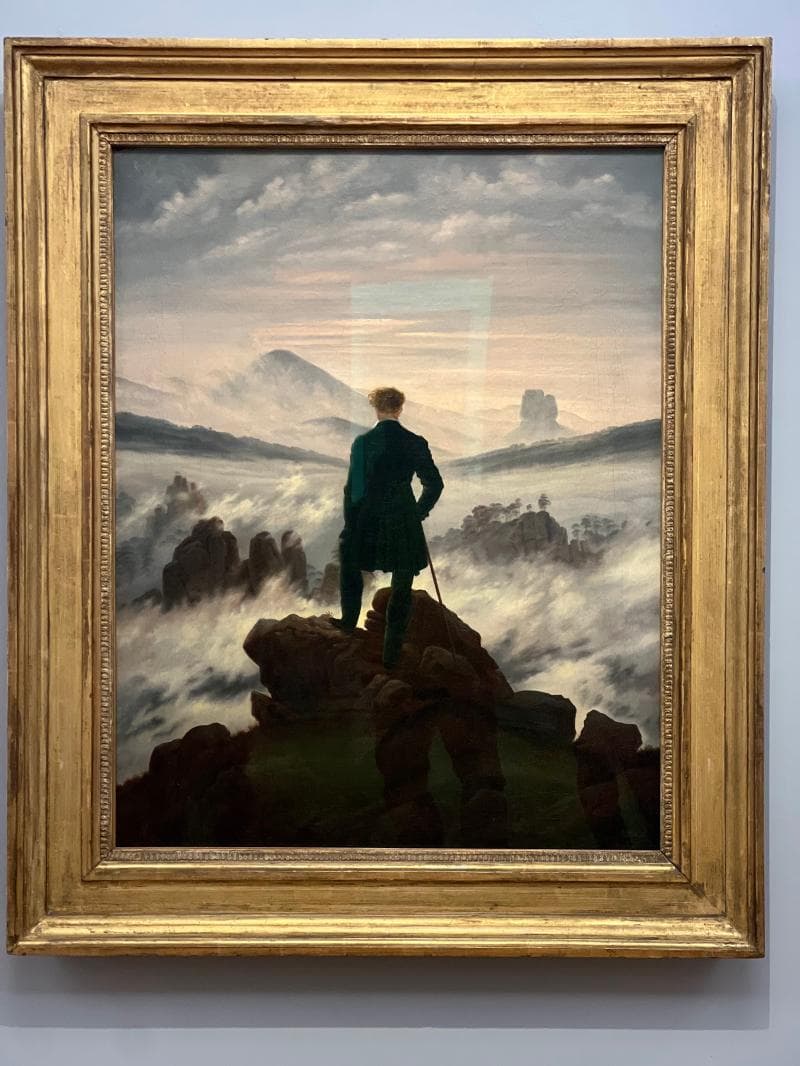
Explore the Inner Courtyard of the Hamburger Kunsthalle in Hamburg, Germany – a tranquil architectural space blending light and history.
Overview
Deep within the architectural tapestry of the Hamburger Kunsthalle, a renowned institution in Hamburg, Germany, lies a space that offers a quiet counterpoint to the vibrant art collections: the Inner Courtyard. While perhaps not a traditional outdoor garden, this 'inner courtyard' refers to the contemplative open spaces, particularly the open atrium areas within the Galerie der Gegenwart, that serve as vital architectural elements, bringing light, air, and a sense of calm to the museum's visitors. These areas are integral to the museum's design, connecting its diverse historical and contemporary wings and providing moments of introspection amidst artistic exploration.
History & Cultural Background
The Hamburger Kunsthalle is a testament to Hamburg's rich cultural heritage and civic engagement, with its origins tracing back to the mid-19th century. The museum complex comprises three distinct buildings, each reflecting a different era of architectural thought and urban development. The original red-brick building, known as the Gründungsbau, was completed in 1869 with a grand Neo-Renaissance design, financed largely by private donations. This was followed by the Neoclassical Neubau in 1919 and, significantly, the Galerie der Gegenwart, a striking white cube structure added in 1997. The evolution of these interconnected structures necessitated innovative solutions for light and flow within the expansive museum. The concept of an 'inner courtyard' or atrium space emerges from this need to integrate diverse architectural styles and create cohesive pathways for visitors, particularly within the more modern extensions which feature contemporary designs with glass, steel, and open atrium spaces.
What Makes It Special
What makes the Inner Courtyard, or rather the internal open spaces within the Hamburger Kunsthalle, particularly special is its function as a tranquil lung for the museum. In a bustling city like Hamburg, and within a vast institution showcasing eight centuries of art, these spaces provide a much-needed visual and mental pause. Unlike traditional outdoor courtyards, these internal atriums are often defined by the museum's architecture itself, acting as light wells that illuminate galleries and common areas, creating an airy atmosphere. They embody the museum's commitment to creating a harmonious visitor experience, allowing natural light to filter in and offering opportunities for contemplation without leaving the artistic environment. These architectural features skillfully blend the various periods of the museum's expansion, allowing for a seamless transition between ancient masterpieces and contemporary installations.
Stories, Fun Facts & Local Details
While specific 'stories' tied directly to a named 'Inner Courtyard' are not widely documented, the existence and design of such internal open spaces speak to a larger narrative of the Hamburger Kunsthalle. The museum itself is a product of Hamburg's citizenry, built through significant private donations and a collective desire to make art accessible to the public. These internal spaces, by providing moments of peace and natural light, reflect a subtle continuation of this civic-minded approach, enhancing the well-being of visitors. They are an architectural 'fun fact' in themselves, illustrating how modern museum design can use seemingly simple elements like openness and natural light to enrich the encounter with art. The way the museum's three buildings are connected, creating these internal dialogues between old and new structures, offers a unique local detail about Hamburg's approach to preserving history while embracing the contemporary.
Visitor Perspective
For the curious traveler, encountering the Inner Courtyard—or the open atrium spaces—within the Hamburger Kunsthalle is an experience of gentle transition. It's a moment to look up, breathe, and appreciate the interplay of architecture and light. After immersing oneself in centuries of European art, from medieval altarpieces to modern conceptual works, these internal open areas offer a natural break. They allow visitors to reorient themselves, reflect on the art they've seen, and prepare for the next gallery. The quiet ambiance, often enhanced by the soft glow of natural light, makes these spots ideal for a brief respite. It is a space where the architectural design itself becomes part of the museum's offering, fostering a calm and reflective state that complements the intellectual and emotional engagement with the art on display.
Coordinates: 10.00306, 53.555
View on Google Maps💬 How Travelers Describe This Place
Based on community votes
Photogenic
869Beautiful
445Unique
416Must See
141Interesting
33
Traveler Stories
Discover memorable experiences shared by travelers who have visited this place.
No traveler stories yet.
Be the first traveler to share what made this place memorable.

Tour
By
Spot
Discover amazing places around the world. Your journey starts here.
Explore
© 2026 TourBySpot. All rights reserved.