Independence Sculptures
Riga, Latvia
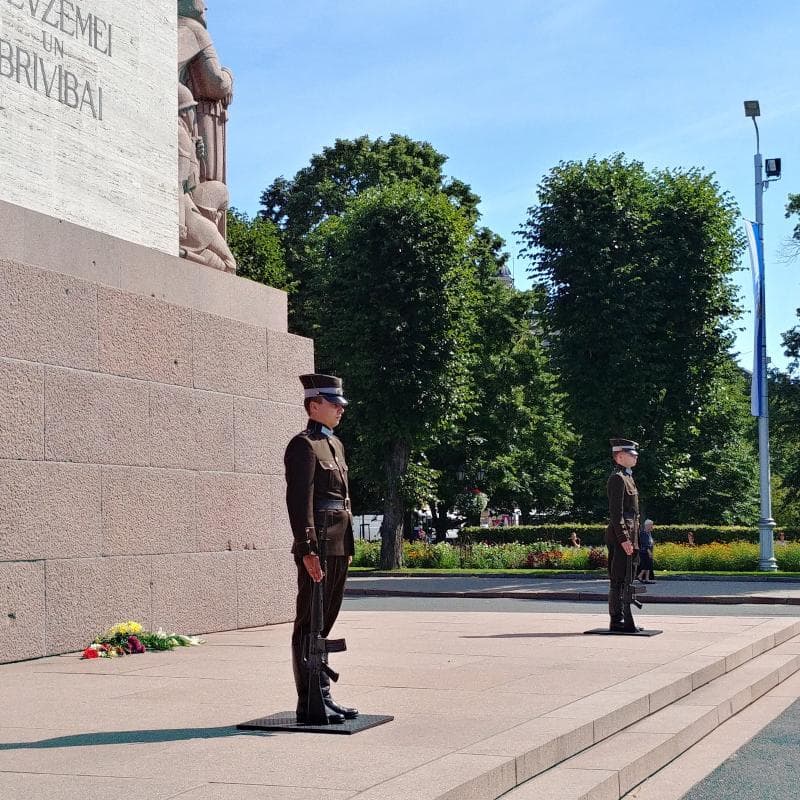
Explore the Independence Sculptures at Riga's Freedom Monument, a powerful symbol of Latvia's fight for liberty and national unity. Discover its history and meaning.
Overview
The Freedom Monument, or Brīvības piemineklis in Latvian, stands proudly in the heart of Riga, Latvia, as an enduring symbol of the nation's fight for liberty and independence. While often referred to singularly, this monumental structure is, in fact, an intricate collection of 'Independence Sculptures' that collectively tell the compelling story of Latvia's rich history and unwavering spirit. Rising to an impressive height of 42 meters, it is more than just a memorial; it is the emotional epicenter of Latvian national identity, captivating both locals and visitors alike.
Its central location on Brīvības bulvāris, nestled between Riga's historic Old Town and its main boulevards, makes it a prominent landmark and a natural focal point for public gatherings and ceremonies. The monument's sculptural program is a profound artistic expression, with each figure and relief contributing to a larger narrative of struggle, resilience, and the deeply held values of the Latvian people.
History & Cultural Background
The concept for a monument honoring soldiers who fell during the Latvian War of Independence (1918–1920) first emerged in the early 1920s. Following several design competitions, the project by renowned Latvian sculptor Kārlis Zāle, titled 'Mirdzi kā zvaigzne!' (Shine Like a Star!), was chosen. Construction began in 1931 and was notably financed entirely by public donations, making it a true monument 'by the people.'
Unveiled on November 18, 1935, the 17th anniversary of the Republic of Latvia's declaration of independence, the monument quickly became a powerful emblem of national identity and unity. Its inscription, 'Tēvzemei un Brīvībai' ('For Fatherland and Freedom'), encapsulates the profound national spirit of the era. During the subsequent Soviet occupation of Latvia (1940-1991), the monument's fate hung in the balance; discussions of its demolition arose multiple times. However, it was ultimately saved, partly due to its perceived artistic merit and the potential for public outrage, with Soviet sculptor Vera Mukhina sometimes credited for its preservation. Despite official attempts to suppress its meaning, the Freedom Monument secretly remained a vital symbol of national independence and resistance for Latvians throughout the Soviet era.
What Makes It Special
The 'Independence Sculptures' of the Freedom Monument are a remarkable artistic and symbolic achievement, arranged in thirteen distinct groups across four levels. At its pinnacle stands the majestic copper figure of Liberty, affectionately known as 'Milda,' holding three gilded stars aloft. These stars represent the unity of Latvia's three historical regions: Kurzeme, Vidzeme, and Latgale.
The base of the monument features large-scale sculptures and bas-reliefs that depict pivotal moments and fundamental values in Latvian history and culture. On the front, two travertine reliefs, 'Latvian Riflemen' and 'Latvian People: the Singers,' honor the nation's defenders and its rich cultural heritage. Other groups symbolize core Latvian values such as 'Work,' 'Guards of the Fatherland,' 'Mother – Family Guard,' and 'Scholars.' Further groups, located on the middle block, embody the nation's ideals and its persistent striving for freedom: 'Latvia' defending the Motherland, the 'Chain Breakers' striving for liberation, 'Lāčplēsis' (an epic Latvian folk hero) inspiring resistance against evil, and 'Vaidelotis' (a Baltic pagan priest) representing spiritual strength. Each figure, crafted from granite, travertine, and copper, contributes to an overarching narrative of struggle, resilience, and the unwavering pursuit of sovereignty.
Stories, Fun Facts & Local Details
The affectionate nickname 'Milda' for the Lady Liberty statue at the top adds a personal touch to this grand monument, reflecting the deep connection Latvians feel towards it. During the Soviet occupation, the monument's symbolism was intentionally distorted by authorities to suggest the three stars represented the Baltic Soviet Republics held by Mother Russia. However, for the Latvian people, it remained a steadfast emblem of their true independence, with clandestine flower-laying ceremonies becoming acts of quiet defiance.
These acts of defiance culminated dramatically during the National Awakening period of 1987-1991, when the monument became a central gathering point for massive demonstrations that ultimately led to Latvia regaining its independence. Today, a ceremonial Guard of Honor stands watch at the monument's base, a tradition reinstated after Latvia's independence was restored in 1991. The changing of the guard, performed hourly, is a poignant display of national respect and a popular sight for visitors, underscoring the monument's living significance.
Visitor Perspective
Visiting the Freedom Monument offers more than just a glimpse of an iconic landmark; it provides a profound sense of Latvia's national identity and spirit. Its accessible location in central Riga makes it an ideal starting point for exploring the city, including the nearby Old Town and other cultural sites. The pedestrian-friendly area around the monument invites quiet reflection on the sacrifices made for freedom. Observing the changing of the Guard of Honor is a powerful experience, highlighting the monument's continued role as a vital national symbol. It is an essential stop for anyone seeking to understand the enduring heart and story of Latvia.
Coordinates: 24.11306, 56.95139
View on Google Maps💬 How Travelers Describe This Place
Based on community votes
Must See
996Unique
673Photogenic
186Beautiful
143Interesting
80
Traveler Stories
Discover memorable experiences shared by travelers who have visited this place.
No traveler stories yet.
Be the first traveler to share what made this place memorable.

Tour
By
Spot
Discover amazing places around the world. Your journey starts here.
Explore
© 2026 TourBySpot. All rights reserved.