Independence Monument
Ashgabat, Turkmenistan
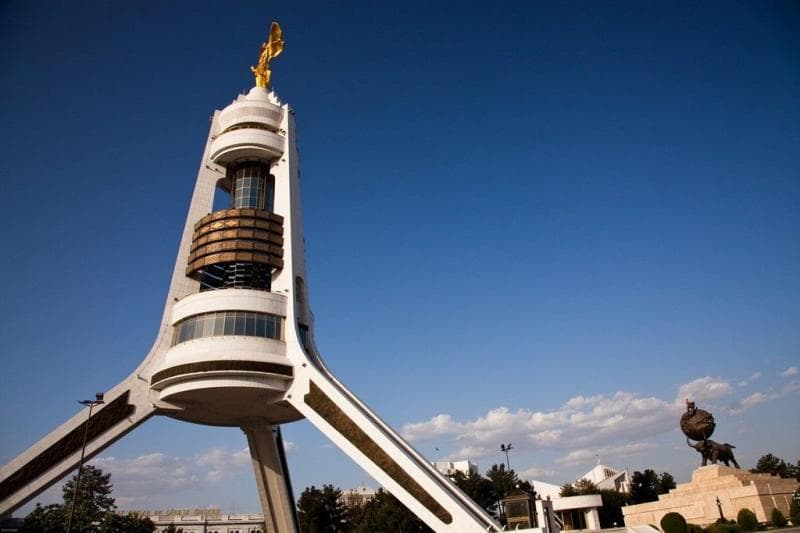
Explore Ashgabat, Turkmenistan's majestic Independence Monument, a towering symbol of national pride, culture, and history in the capital.
Overview
Standing proudly in Turkmenistan's capital, Ashgabat, the Independence Monument is a magnificent tribute to the nation's sovereignty. Located within the expansive Independence Park, this towering structure is more than just a monument; it is a profound symbol of the country's journey to self-determination and a focal point for national pride. Its gleaming white marble and unique design make it one of Ashgabat's most recognizable landmarks, drawing visitors keen to understand Turkmenistan's rich history and cultural identity.
The monument's impressive stature and intricate details reflect a blend of traditional Turkmen aesthetics and monumental architecture, establishing it as a significant cultural and historical site in Central Asia.
History & Cultural Background
The Independence Monument commemorates Turkmenistan's declaration of independence from the Soviet Union in 1991, a pivotal moment that reshaped the nation's future. Completed in 2001, its construction marked the tenth anniversary of this historic event, serving as a permanent reminder of the Turkmen people's resilience and their aspirations for a peaceful future.
The monument's design draws inspiration from deeply rooted Turkmen traditions. Its architectural form is said to be inspired by traditional Turkmen tents, known as yurts, and the distinctive headgear historically worn by Turkmen girls. This fusion of historical context and cultural symbolism underscores the monument's importance as a representation of both past struggles and future hopes. The surrounding Independence Park, established in 1993, further enhances this historical narrative, creating a vast complex that narrates the country's journey towards nationhood.
What Makes It Special
What truly sets the Independence Monument apart is its commanding presence and symbolic design. The structure features a 91-meter reinforced concrete tower topped with a 27-meter high golden gilt steel construction, resulting in an overall height of 118 meters. This specific height is symbolic, as the numbers 91 and 27 reference the year and day of Turkmenistan's independence, 1991 and October 27th.
At its apex, a golden crescent moon with five stars symbolizes the unity of the five major Turkmen tribes, a powerful representation of national cohesion. The base of the monument is designed to resemble a traditional Turkmen yurt, a dome-like structure that often houses the Museum of Independence. This museum offers exhibition halls displaying significant artworks and artifacts that chronicle Turkmenistan's history and its path to sovereignty.
Around the monument, visitors will find 27 statues of prominent Turkmen historical figures – including warriors, poets, and leaders – representing different eras of the nation's rich heritage. A golden statue of Turkmenistan's first president, Saparmurat Niyazov, also stands prominently in front of the monument.
Stories, Fun Facts & Local Details
Despite its official grandeur, the Independence Monument has garnered a playful nickname among some visitors: 'the plunger,' owing to its distinctive shape. This lighthearted observation adds a touch of quirky charm to the monumental site.
A notable tradition associated with the monument involves foreign dignitaries. It is customary for visiting foreign guests to plant a young tree in the Alley of Honorary Guests near the Independence Monument, symbolizing growing diplomatic ties and goodwill.
The sprawling landscaped park surrounding the monument, covering over 80,000 square meters, features cascading pools, ornate fountains, and meticulously maintained green spaces. This vast area serves as a tranquil oasis where locals and visitors can enjoy leisurely strolls and picnics, especially vibrant during national celebrations when the complex comes alive with festivities.
Visitor Perspective
Visiting the Independence Monument offers a unique opportunity to immerse oneself in the heart of modern Turkmen identity. The sheer scale and meticulous artistry of the monument, set against Ashgabat's gleaming white architecture, are truly impressive. Walking through Independence Park, with its wide marble stairs and statues of national heroes, allows for a reflective experience, appreciating the historical narrative embedded in every detail.
For those interested in history, the museum within the monument provides a deeper dive into the country's past. While photography of the monument itself is generally permitted, visitors should be aware of potential restrictions regarding military personnel often present in the area. An early morning visit can offer a quieter, more serene experience, allowing for contemplation of this powerful symbol of Turkmenistan's independence and cultural legacy.
Coordinates: 58.38229959768726, 37.88108723910912
View on Google Maps💬 How Travelers Describe This Place
Based on community votes
Beautiful
910Must See
755Interesting
658Photogenic
589Unique
374
Traveler Stories
Discover memorable experiences shared by travelers who have visited this place.
No traveler stories yet.
Be the first traveler to share what made this place memorable.
Things to see at Independence Monument



Tour
By
Spot
Discover amazing places around the world. Your journey starts here.
Explore
© 2026 TourBySpot. All rights reserved.