Independence Exhibit
Bishkek, Kyrgyzstan
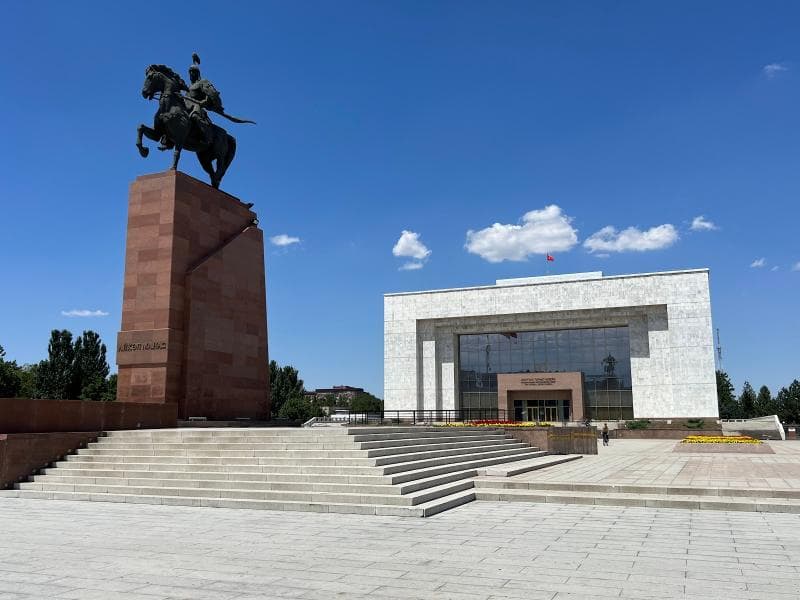
Explore Kyrgyzstan's path to sovereignty at the Independence Exhibit inside the National History Museum in Bishkek, Kyrgyzstan. Discover its modern history.
Overview
The Independence Exhibit, nestled within the revered National History Museum of the Kyrgyz Republic in Bishkek, offers a profound journey into the modern history of Kyrgyzstan. It is not a standalone museum, but rather a significant and compelling section dedicated to the nation's pivotal transition from a Soviet republic to an independent state. Located centrally in Bishkek, directly on Ala-Too Square, the museum itself stands as a monumental cultural beacon, inviting visitors to explore the rich tapestry of Kyrgyz history from ancient nomadic traditions through to its contemporary identity. This particular exhibit serves as an essential window, meticulously chronicling the events, influential figures, and profound cultural shifts that have shaped modern Kyrgyzstan since its declaration of sovereignty.
History & Cultural Background
Kyrgyzstan's path to independence is a compelling narrative of resilience and the reassertion of a distinct national identity, deeply intertwined with its past as a constituent republic of the Soviet Union. The Independence Exhibit meticulously details the complex socio-political landscape that culminated in the Declaration of State Independence on August 31, 1991. This momentous announcement marked Kyrgyzstan as an independent, sovereign, and democratic state. Following this, the Constitution of the Kyrgyz Republic was officially adopted on May 5, 1993, formally establishing the new sovereign government and outlining its structure.
The exhibit powerfully illustrates how the nascent republic then moved to acquire the fundamental symbols of statehood: its own unique coat of arms, flag, and national anthem. These symbols are not mere formalities; they resonate deeply with the Kyrgyz people, embodying their unique cultural heritage and newly reclaimed autonomy. Furthermore, the displays highlight the re-emergence of traditional Kyrgyz nomadic culture and customs, which were often reinterpreted or even suppressed during the Soviet era, now solidifying the foundations of the new national identity.
What Makes It Special
What truly sets the Independence Exhibit apart is its powerful narrative and its ability to forge an emotional connection between visitors and the palpable journey of a nation defining its own destiny. Following extensive renovations between 2016 and 2021, the museum consciously reoriented its displays. It shifted away from a solely Soviet-centric perspective to emphasize Kyrgyzstan's unique experience within the Soviet system and, more importantly, its inspiring journey of nation-building.
Visitors encounter a thoughtfully curated collection of artifacts, vital documents, and evocative photographic materials that breathe life into this pivotal era. These include rare archival data, original newspaper clippings that captured the public sentiment of the time, and official decrees that underpinned the entire independence movement. The exhibit's strength lies in its capacity to portray independence not merely as a political event, but as a profound cultural and societal transformation, celebrating the indomitable spirit and collective aspirations of the Kyrgyz people for a democratic future. For international guests, many sections and descriptions are helpfully provided in English, making the profound historical experience accessible to a wider audience.
Stories, Fun Facts & Local Details
Delving into the details of the Independence Exhibit reveals fascinating aspects of Kyrgyz identity. A striking example is the national flag, proudly displayed, with its distinctive 40-rayed sun. This sun is a powerful symbol, representing the historical unity of the 40 Kyrgyz tribes, famously brought together by the legendary epic hero Manas. This single detail encapsulates centuries of history and cultural significance, now proudly integrated into the national emblem.
The National History Museum itself has a storied past, originally opening to the public in 1927 and undergoing various name changes and relocations before settling into its current monumental building in Ala-Too Square in 1984. The recent renovations, which concluded in 2021, dramatically transformed the museum's interior. Gone are many of the Soviet-era murals and elaborate displays, replaced by a sleek, modern aesthetic of clean lines, smooth stone, metal, and glass. This physical transformation mirrors the thematic shift within the Independence Exhibit, moving towards a celebration of distinct Kyrgyz identity and cultural achievement, showcased through exhibits on theatre, literature, and cinema.
Visitor Perspective
For any curious traveler keen to delve beyond surface-level tourism, a visit to the Independence Exhibit is highly recommended. It offers a broad yet accessible introduction to Kyrgyz culture and history, providing invaluable context for understanding the nation. The availability of English descriptions throughout many parts of the museum is a significant advantage, particularly for international visitors who wish to engage deeply with the exhibits.
Walking through the exhibit is often described as a reflective experience, prompting contemplation on the meanings of sovereignty, the enduring power of cultural heritage, and the determination of a nation to shape its own destiny. Located conveniently behind the iconic Manas monument, the museum is easily integrated into a tour of Bishkek's central sights. Visitors are generally advised to allocate between 90 minutes to two hours to fully appreciate the museum's offerings, with weekday mornings typically offering a quieter and more contemplative experience. It is a genuine opportunity to connect with the Kyrgyz people's journey, understanding their enduring spirit and the aspirations that continue to define their future.
Coordinates: 74.6037653, 42.87787034
View on Google Maps💬 How Travelers Describe This Place
Based on community votes
Photogenic
989Must See
791Interesting
613Beautiful
514Unique
207
Traveler Stories
Discover memorable experiences shared by travelers who have visited this place.
No traveler stories yet.
Be the first traveler to share what made this place memorable.

Tour
By
Spot
Discover amazing places around the world. Your journey starts here.
Explore
© 2026 TourBySpot. All rights reserved.