Incense Courtyard
Ho Chi Minh City, Vietnam
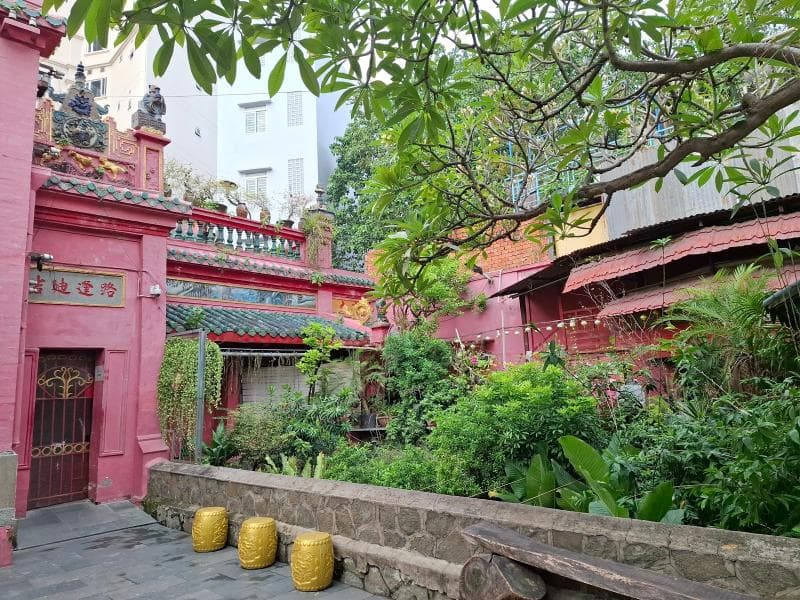
Discover the Incense Courtyard at Jade Emperor Pagoda in Ho Chi Minh City, Vietnam. Experience its mystical ambiance, cultural rituals, and spiritual significance.
Overview
Stepping into the Incense Courtyard of the Jade Emperor Pagoda in Ho Chi Minh City, Vietnam, is an immediate immersion into a sensory and spiritual experience. This sacred space, often referred to simply as the pagoda's main courtyard, serves as the heart where devotees and visitors alike engage in ancient rituals, most notably the burning of incense. The air here is perpetually thick with the fragrant smoke of burning joss sticks, creating a mystical atmosphere that envelops the traditional Chinese architecture and intricate carvings of the pagoda. It is a tranquil oasis, offering a profound contrast to the bustling city life just beyond its gates.
Located at 73 Mai Thi Luu Street in District 1, the Incense Courtyard is the entry point to one of Ho Chi Minh City's most revered spiritual landmarks, officially known as Ngoc Hoang Pagoda or Phuoc Hai Tu. It is where the spiritual journey for many begins, a place designed for reflection, prayer, and connection with the divine, characterized by the omnipresent scent and visual haze of countless incense offerings.
History & Cultural Background
The Jade Emperor Pagoda, housing the Incense Courtyard, was originally constructed in 1909 by a Cantonese Chinese merchant named Liu Ming (also known as Luu Dao Nguyen). It was built to honor the Jade Emperor (Ngoc Hoang Thuong De), the supreme deity in Taoist belief, who is believed to govern heaven and earth. The pagoda, and by extension its courtyard, became a significant spiritual center for the Chinese-Vietnamese community, reflecting a unique blend of Taoist, Buddhist, and Confucian traditions that shaped its architectural and religious practices.
Over the decades, the pagoda has been carefully preserved and recognized for its cultural importance. In 1994, it was officially designated as a National Historic Site. Its rich history includes a notable visit by former U.S. President Barack Obama in 2016, which brought further international attention to its spiritual and cultural heritage. The Incense Courtyard stands as a testament to this enduring legacy, a place where generations have come to seek blessings and express their devotion.
What Makes It Special
The Incense Courtyard's distinctiveness lies in its central role in the pagoda's spiritual life. It is more than just an outdoor space; it is a focal point for devotion, marked by its vibrant energy and the constant, evocative presence of incense. Here, visitors purchase bundles of incense and reverently light them at designated burners, sending their prayers and wishes skyward with the rising smoke. This ritual of offering incense is a deeply personal and collective act, fostering a palpable sense of spiritual connection and community.
The smoke itself becomes a living element of the courtyard's ambiance, obscuring and revealing the pagoda's intricate details, from the vibrant red facades to the detailed ceramic figures adorning the rooflines. This sensory experience—the scent, the haze, and the visual beauty—transforms the courtyard into a truly immersive environment, setting it apart from other temple courtyards. It's a place where the sacred intertwines seamlessly with the everyday, inviting contemplation and peace amidst the city's dynamic pulse.
Stories, Fun Facts & Local Details
Beyond its visual and olfactory appeal, the Incense Courtyard is steeped in local lore and traditions. Many Vietnamese believe that offering incense here can bring specific blessings, making it a popular spot for a variety of prayers. Couples frequently visit to pray for fertility and healthy children, especially near the altar dedicated to Kim Hoa Thanh Mau (the Mother Goddess of childbirth) and her 12 midwives. Others seek good fortune, prosperity, and peace.
A notable feature of the broader courtyard area is often a turtle pond, symbolizing longevity and good luck in Vietnamese culture. Visitors sometimes feed these turtles, believing it brings further blessings. The overall area of the pagoda, approximately 2,300 square meters, ensures that even with numerous visitors, the courtyard maintains a sense of spaciousness and tranquility, especially in contrast to the surrounding urban landscape.
Visitor Perspective
For a curious traveler, visiting the Incense Courtyard offers a unique window into Vietnam's vibrant spiritual life. The moment you step in, the calming scent of incense creates a profound sense of peace, momentarily transporting you away from the urban clamor of Ho Chi Minh City. It's a place to observe locals engaging in their devotions, lighting incense, and offering silent prayers, providing an authentic cultural experience.
The soft, filtered light through the incense haze, combined with the traditional architecture, invites quiet contemplation and offers wonderful opportunities for respectful photography. To fully appreciate the serenity, an early morning visit is often recommended before the crowds gather. Remember to dress respectfully, covering shoulders and knees, as this is an active place of worship. While there is no entrance fee, a small donation for the pagoda's upkeep is a thoughtful gesture. The Incense Courtyard truly provides a memorable and deeply atmospheric experience, a spiritual haven that remains a highlight for many who explore Ho Chi Minh City.
Coordinates: 106.6978889, 10.7917111
View on Google Maps💬 How Travelers Describe This Place
Based on community votes
Photogenic
685Interesting
446Beautiful
152Unique
33Must See
16
Traveler Stories
Discover memorable experiences shared by travelers who have visited this place.
No traveler stories yet.
Be the first traveler to share what made this place memorable.

Tour
By
Spot
Discover amazing places around the world. Your journey starts here.
Explore
© 2026 TourBySpot. All rights reserved.