Imperial Treasury
Istanbul, Turkey
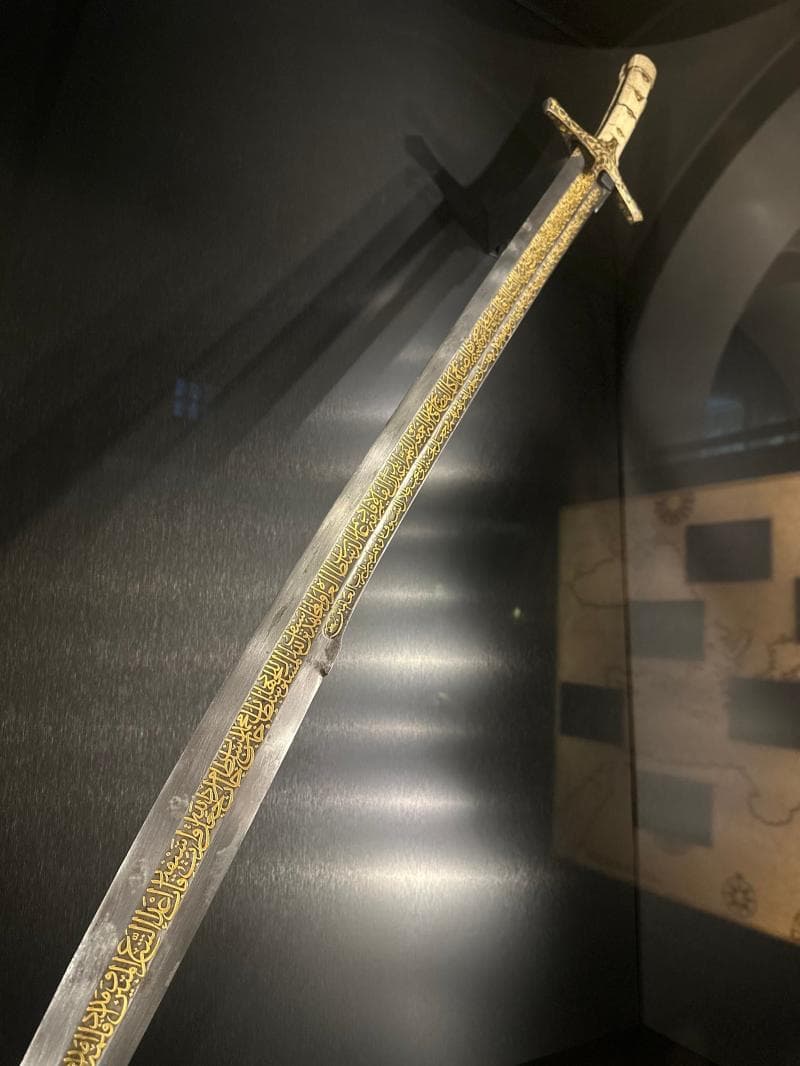

Explore the Imperial Treasury at Topkapi Palace, Istanbul, Turkey. Discover priceless Ottoman jewels, weapons, and historical artifacts, including the Spoonmaker's Diamond and Topkapi Dagger.
Overview
Nestled within the historic Topkapi Palace in Istanbul, Turkey, the Imperial Treasury, known as Hazine-i Hümâyun, stands as a mesmerizing testament to the opulence and power of the Ottoman Empire. This revered section, located within the magnificent Conqueror's Pavilion (Fatih Köşkü) in the Third Courtyard, was once the private repository for the Ottoman dynasty's most treasured possessions. Far from a mere vault, it functioned as a secure storehouse for objects intrinsically linked to court ceremonies, diplomatic relations, royal patronage, and the very representation of Ottoman authority. Today, transformed into a public exhibition space, the Imperial Treasury invites curious travelers to delve into the material culture of an empire, offering unparalleled insights into Ottoman court life, remarkable artistic achievements, and enduring royal traditions. It forms an integral part of the standard visitor route through Topkapi Palace, making it an essential stop for anyone exploring this monumental site.
History & Cultural Background
The structure housing the Imperial Treasury, the Conqueror's Pavilion, was initially constructed during the reign of Sultan Mehmed the Conqueror around 1460, serving originally as grand reception rooms. Over centuries, it evolved into the empire's ultimate symbol of wealth and power. During the Ottoman era, the Treasury was not akin to a modern state bank; instead, it meticulously preserved physical objects that embodied the immense resources and influence of the empire. This collection grew through war booty, exquisite gifted jewels, and the masterful creations of palace jewelers. For generations, it remained the Sultan's private treasury, its contents intended to inspire awe and assert dominance rather than to be publicly displayed or to educate. It was Sultan Abdülmecid who courageously broke with this long-standing tradition, initiating the public display of certain items, thereby laying the foundation for the Topkapi Palace Museum's renowned collection as we know it today.
What Makes It Special
The Imperial Treasury distinguishes itself with an extraordinary collection that vividly illustrates six centuries of Ottoman power and artistic brilliance. Visitors are captivated by an array of legendary jewels, intricately crafted ceremonial weapons, lavish royal garments, sacred religious relics, exquisite decorative objects, and significant diplomatic gifts. Among its most celebrated exhibits is the magnificent 86-carat Spoonmaker's Diamond, a pear-shaped gem considered one of the largest and most famous diamonds showcased in any museum collection worldwide. Another star attraction is the Topkapi Dagger, a unique masterpiece adorned with three sizeable emeralds and ingeniously incorporating a watch within its hilt. The collection further boasts emerald aigrettes, jeweled plumes that once graced the turbans of Ottoman sultans, symbolizing their elevated rank and authority. Also on display are solid gold thrones, such as the resplendent Golden Festival Throne used during accession ceremonies, and the Throne of Nader Shah. The opulent Sultan's Golden Cradle offers a glimpse into the private lives of the royal family, while the formidable sword of Mehmed the Conqueror and elaborately armored suits speak to the empire's military might.
Stories, Fun Facts & Local Details
The artifacts within the Imperial Treasury are rich with fascinating stories. The origins of the Spoonmaker's Diamond are steeped in legend, contributing to its mystique, though its exact early history remains somewhat ambiguous. Perhaps one of the most compelling tales belongs to the Topkapi Dagger. This exquisite weapon was initially commissioned as a grand diplomatic gift for Nadir Shah, the ruler of Persia. However, fate intervened when Nadir Shah was assassinated before the Ottoman envoys could deliver it, leading to the dagger's return to the palace treasury. Its dramatic history gained further popular renown through its prominent role in the 20th-century heist film, 'Topkapi'. Beyond these famous pieces, the Treasury holds numerous items that arrived as prestigious gifts from foreign dignitaries, alongside those meticulously crafted by the empire's most skilled local artisans for the sultans themselves. The entire collection is thoughtfully arranged within the Conqueror's Pavilion (Fatih Köşkü), a historical structure that anchors the Third Courtyard of the vast Topkapi Palace complex.
Visitor Perspective
For many, a visit to the Imperial Treasury represents a definite highlight of their Topkapi Palace experience. Its sheer magnificence and historical significance draw considerable crowds, making it one of the busiest sections within the palace. To enhance your visit and minimize waiting times, it is highly recommended to arrive early in the morning, ideally between 9:00 AM and 10:00 AM. The Treasury is conveniently located within the Third Courtyard and is included as part of the standard admission ticket to Topkapi Palace, allowing seamless integration with visits to other key attractions such as the Imperial Harem and the Sacred Relics Collection. While exploring the treasury, visitors should allocate ample time to fully appreciate the intricate details of each exhibit, as a comprehensive tour of the entire palace complex can easily take three to four hours. A crucial rule for all visitors is that taking photographs or recording videos within the Imperial Treasury is strictly prohibited, ensuring the preservation and respect for these priceless artifacts.
Coordinates: 28.984, 41.013
View on Google Maps💬 How Travelers Describe This Place
Based on community votes
Interesting
954Must See
946Photogenic
514Beautiful
92Unique
66
Traveler Stories
Discover memorable experiences shared by travelers who have visited this place.
No traveler stories yet.
Be the first traveler to share what made this place memorable.

Tour
By
Spot
Discover amazing places around the world. Your journey starts here.
Explore
© 2026 TourBySpot. All rights reserved.