Imperial Garden
Beijing, China
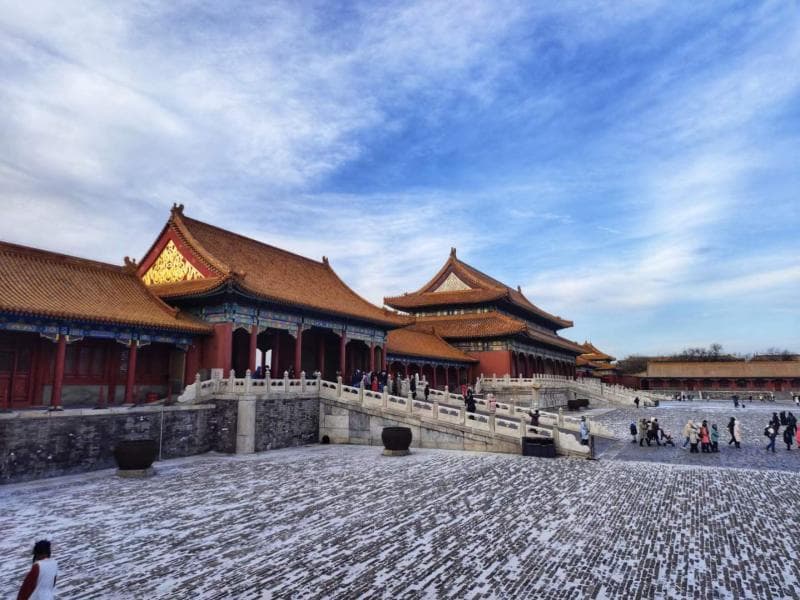
Explore Beijing's Imperial Garden, a tranquil retreat within the Forbidden City. Discover its history, unique features, and cultural significance.
Overview
Nestled at the northern end of the majestic Forbidden City in Beijing, China, lies the Imperial Garden, known in Chinese as Yuhuayuan. This exquisite garden served as a private retreat for the imperial family, offering a serene escape from the rigid formality and grand scale of the main palace complex. Occupying approximately 12,000 square meters, its design masterfully blends natural beauty with meticulous architectural planning, embodying a quintessential example of traditional Chinese garden artistry.
History & Cultural Background
The Imperial Garden's origins trace back to the Ming Dynasty. It was first constructed in 1417, as part of the Forbidden City's initial build during the Yongle period, and was originally known as the 'Palace Rear Garden'. Over centuries, through the Ming and Qing dynasties, it remained a vital space for emperors, empresses, and concubines. Unlike the ceremonial halls of the Outer Court that emphasized imperial authority, the Imperial Garden was an intimate realm for leisure, relaxation, meditation, and even certain sacrificial rituals. Its enduring presence for over six hundred years, with its layout largely unchanged, makes it a living testament to the daily life and aesthetic sensibilities of China's imperial past.
What Makes It Special
The Imperial Garden is a microcosm of Chinese landscape design, where every element contributes to a harmonious whole. It features around twenty distinct structures, each harmonizing beautifully with the surrounding trees, intricate rockeries, vibrant flower beds, and artful sculptural objects like bronze incense burners. The garden's central focus is the Hall of Imperial Peace (Qin'andian), a significant Taoist temple dedicated to Zhenwu Dadi, the God of Water, believed to protect the Forbidden City from fire. Surrounding this central hall, a wall encloses the space, adding to its secluded charm. At each of the garden's four corners, pavilions stand, symbolizing the four seasons, with the Pavilion of Myriad Springs (Wanchunting) in the eastern corner being particularly renowned for representing spring. Another prominent feature is Duixiushan, or Gathering Beauty Hill, an artificial mountain with a cave, topped by the Pavilion of Imperial View (Yujingyuan). The garden also boasts over 160 ancient trees, some over 400 years old, including the celebrated Consort Pine in front of the Qin'andian, symbolizing imperial harmony.
Stories, Fun Facts & Local Details
Beyond its architectural grandeur, the Imperial Garden is steeped in fascinating details and historical anecdotes. The Consort Pine, a magnificent 400-year-old tree, stands as a living symbol of the harmonious relationship between the emperor and empress. Guarding the entrance to the Hall of Imperial Peace are two gilded unicorns, believed to ward off evil spirits, adding a mystical layer to the serene setting. Emperors would traditionally ascend Duixiushan to the Pavilion of Imperial View during the Double Ninth Festival to enjoy the autumn scenery with their families, a cherished imperial tradition. Visitors walking through the garden will notice the meticulously paved footpaths, adorned with varied patterns of colored pebbles. These intricate mosaics depict themes like flowers, plants, figures, and landscapes, and are deeply symbolic, representing good luck, fortune, and longevity. Interestingly, some observant visitors have noted images of wives playfully punishing their husbands within these pebble patterns, offering a glimpse into the more human, less formal side of palace life, even amidst male dominance.
Visitor Perspective
A visit to the Imperial Garden offers a contrasting yet complementary experience to the monumental halls of the Forbidden City. After traversing the vast courtyards and imposing structures, the garden provides a welcome sense of intimacy and tranquility. It is a place where one can truly appreciate the nuanced artistry of Chinese garden design, observing how natural elements are meticulously arranged to create picturesque scenes. While the main central axis of the Forbidden City can be crowded, especially during peak hours, the garden, particularly its quieter corners, allows for a more reflective pace. Visitors should take time to notice the architectural details of the pavilions, the sculptural quality of the rockeries, and the symbolic significance embedded in the ancient trees and the colorful pebble pathways. The garden serves as a reminder that even within the strictly ordered imperial palace, there was a space for beauty, contemplation, and personal respite for those who once ruled an empire.
Coordinates: 116.3906921, 39.9159942
View on Google Maps💬 How Travelers Describe This Place
Based on community votes
Must See
540Photogenic
252Unique
147Beautiful
114Interesting
19
Traveler Stories
Discover memorable experiences shared by travelers who have visited this place.
No traveler stories yet.
Be the first traveler to share what made this place memorable.

Tour
By
Spot
Discover amazing places around the world. Your journey starts here.
Explore
© 2026 TourBySpot. All rights reserved.